
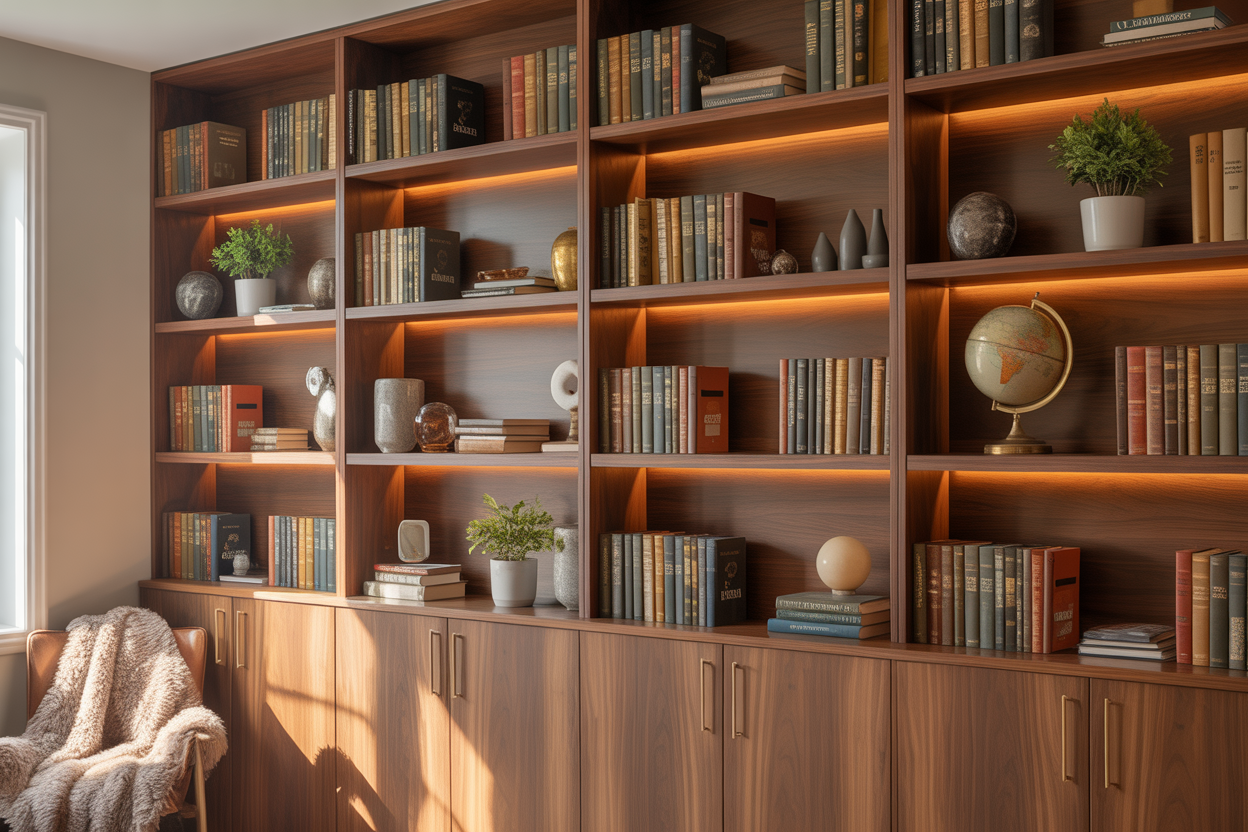
Bookshelf Buying Guide: How to Choose the Right Size, Style & Material
Choosing the perfect bookshelf isn’t just about finding a place to stack your books—it’s about selecting a piece that fits your space, complements your décor, and stands up to everyday use. With so many sizes, styles, and materials available, the right choice can instantly transform a room from cluttered to beautifully organized. In this bookshelf buying guide, you’ll discover exactly how to pick the ideal size for your space, match the style to your home aesthetic, and choose the best material for durability and design, so you can invest in a bookshelf that looks great and works perfectly for years to come.
1. Measure Your Space Before Choosing Bookshelf Size
The first step in selecting a bookshelf is measuring your available space carefully. Consider ceiling height, wall width, and how much floor space you can dedicate without making the room feel crowded.
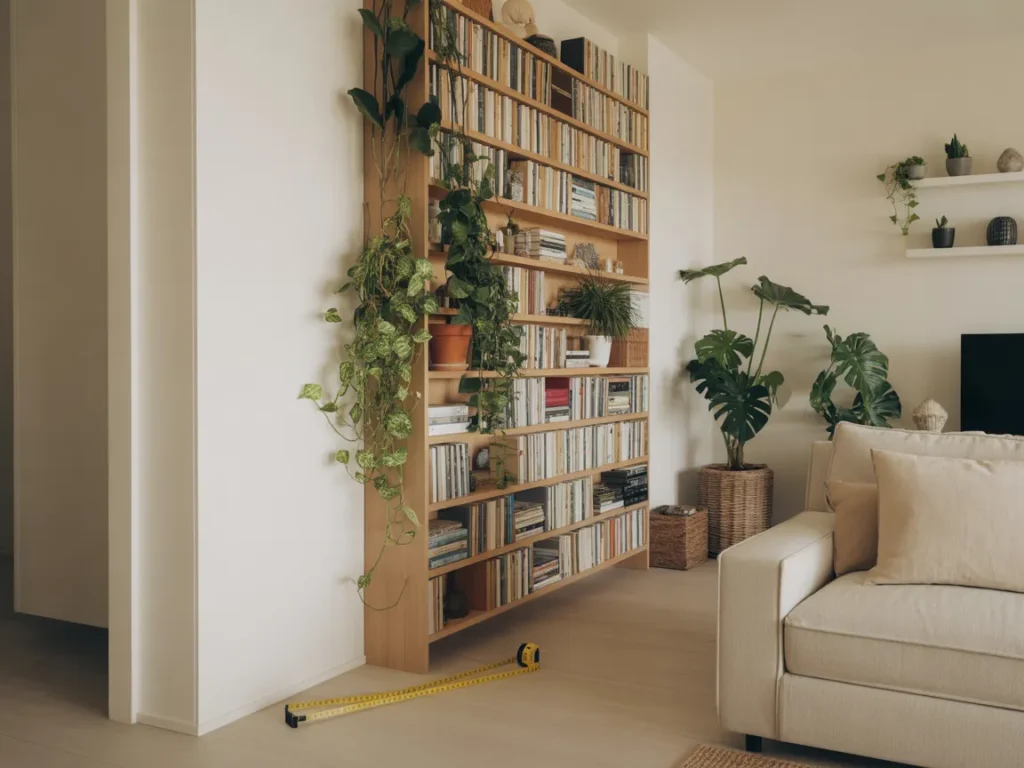
If your room is small, choose a tall vertical bookshelf to maximize storage without occupying too much floor area. Large rooms can accommodate wide or multi-section bookshelves that create a statement wall.
2. Choose the Right Bookshelf Depth for Your Storage Needs
Bookshelf depth determines what you can store, from paperback books to decorative boxes. Standard shelves are about 10–12 inches deep, which works for most books and décor items.

If you plan to display large art books, storage baskets, or plants, choose deeper shelves for better stability. Proper depth prevents clutter and keeps the shelf visually balanced.
3. Pick a Bookshelf Style That Matches Your Interior Theme
Bookshelf style should complement your existing décor, whether modern, farmhouse, minimalist, or industrial. A cohesive design helps the bookshelf blend naturally into the room rather than looking out of place.
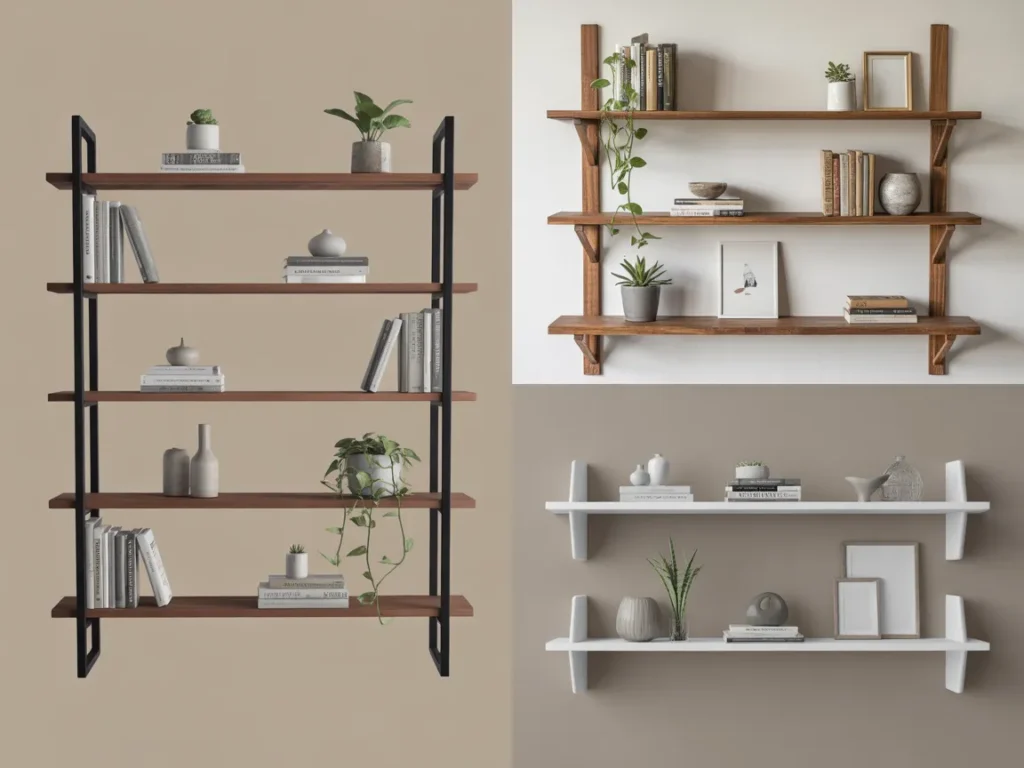
For modern homes, choose sleek geometric shelves, while farmhouse interiors benefit from rustic wooden designs. Matching colors and shapes enhances visual harmony.
4. Consider Material Durability and Maintenance
Bookshelves come in wood, metal, MDF, or glass materials, each offering unique durability and style. Solid wood shelves provide strength and timeless appeal, while metal shelves add modern industrial charm.
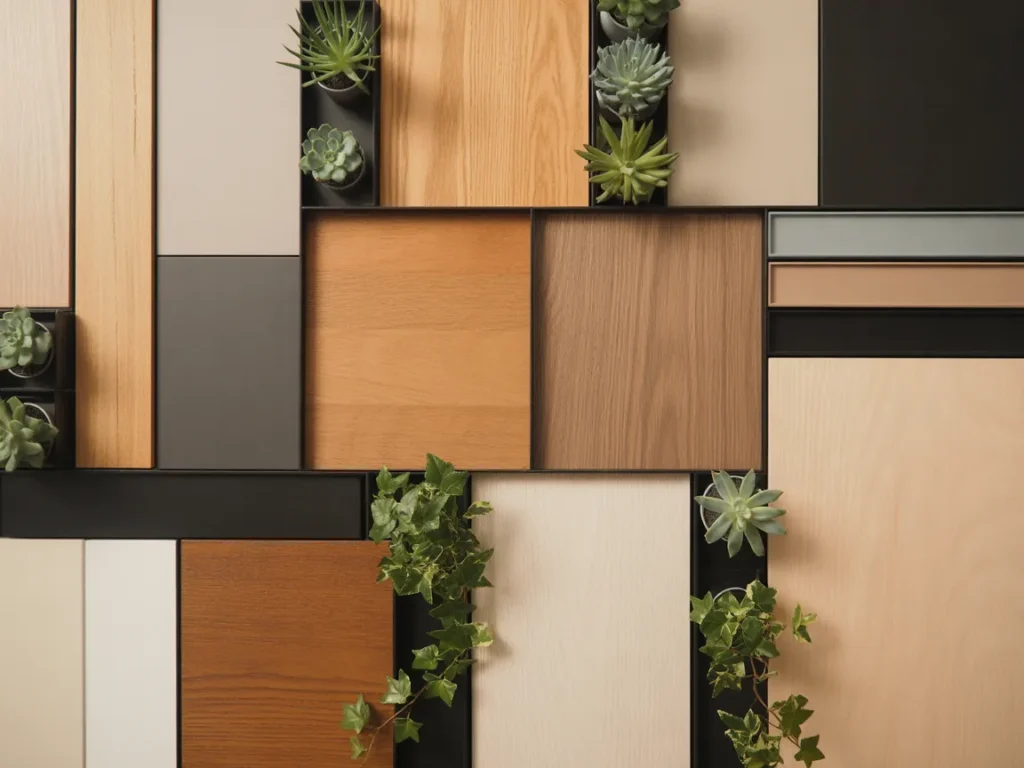
Choose a material that fits your lifestyle and maintenance preference. Families with kids may prefer scratch-resistant materials that are easy to clean.
5. Adjustable Shelves Provide Flexible Storage Options
Adjustable shelves allow you to modify spacing as your storage needs change. This feature is useful for accommodating tall books, décor pieces, or storage boxes.
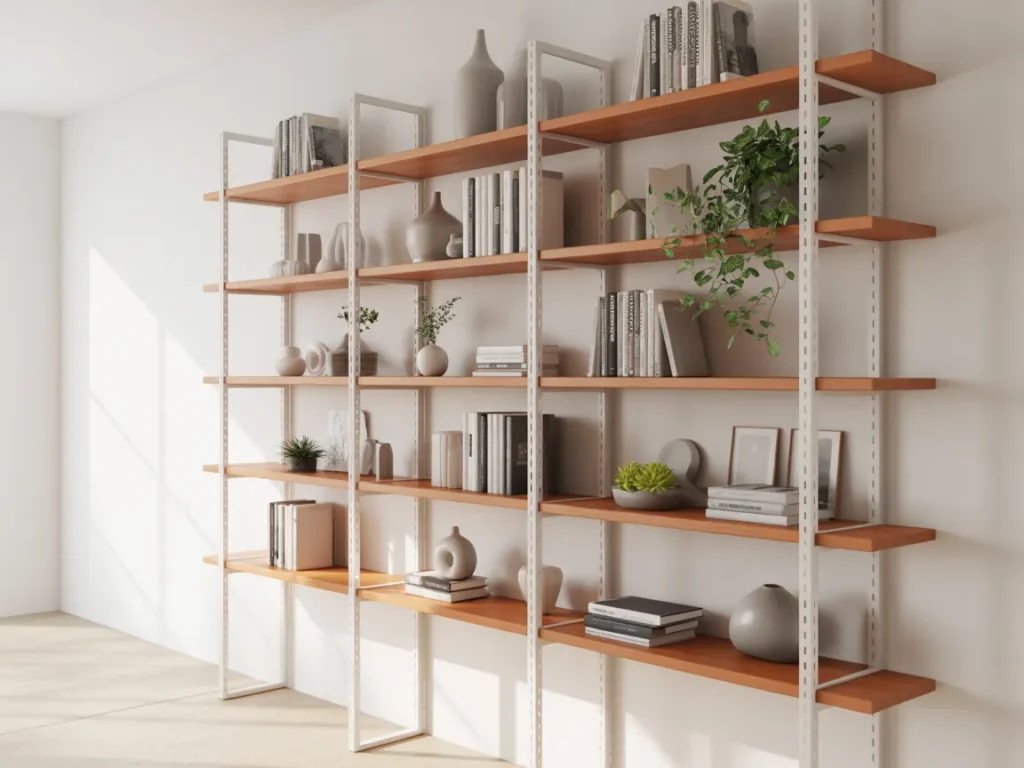
Flexibility ensures your bookshelf remains functional even when your collection grows. It also helps maintain a clean and organized display.
6. Open vs Closed Back Bookshelves for Visual Impact
Open-back bookshelves create an airy feel and work well as room dividers in small apartments. Closed-back shelves provide a more solid and structured appearance against walls.
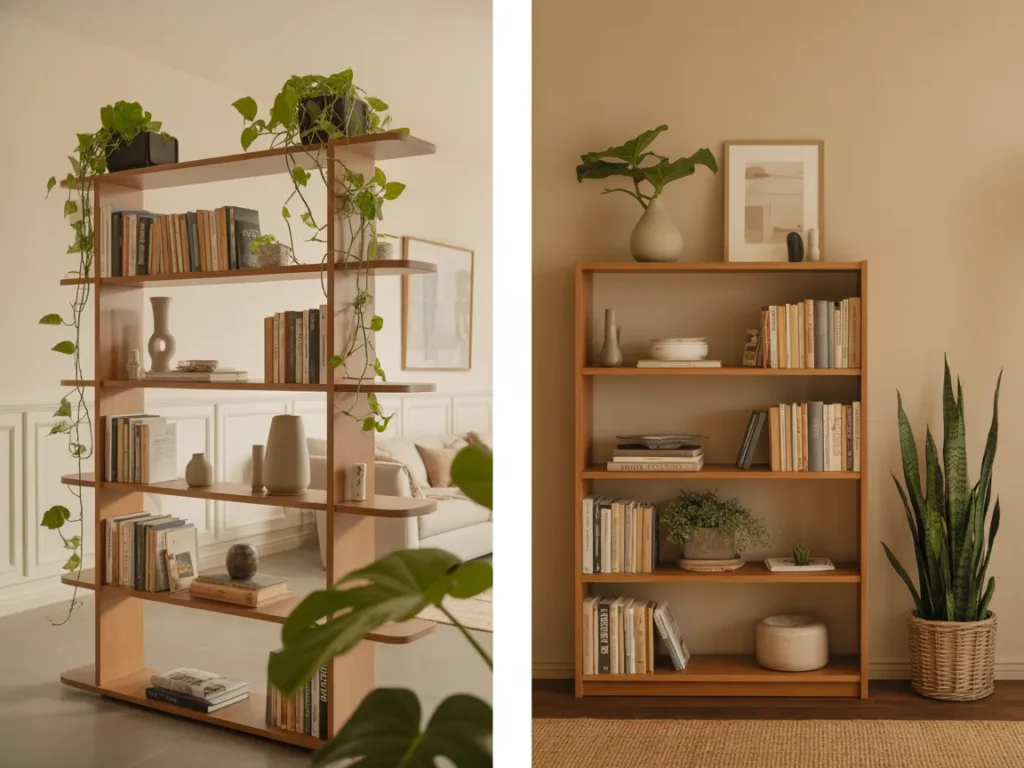
Choosing the right structure depends on whether you want the bookshelf to be decorative or functional. Both options can enhance the room’s aesthetic.
7. Corner Bookshelves Maximize Small Spaces
Corner bookshelves utilize unused space efficiently, making them ideal for apartments or compact rooms. They provide storage without overwhelming the layout.
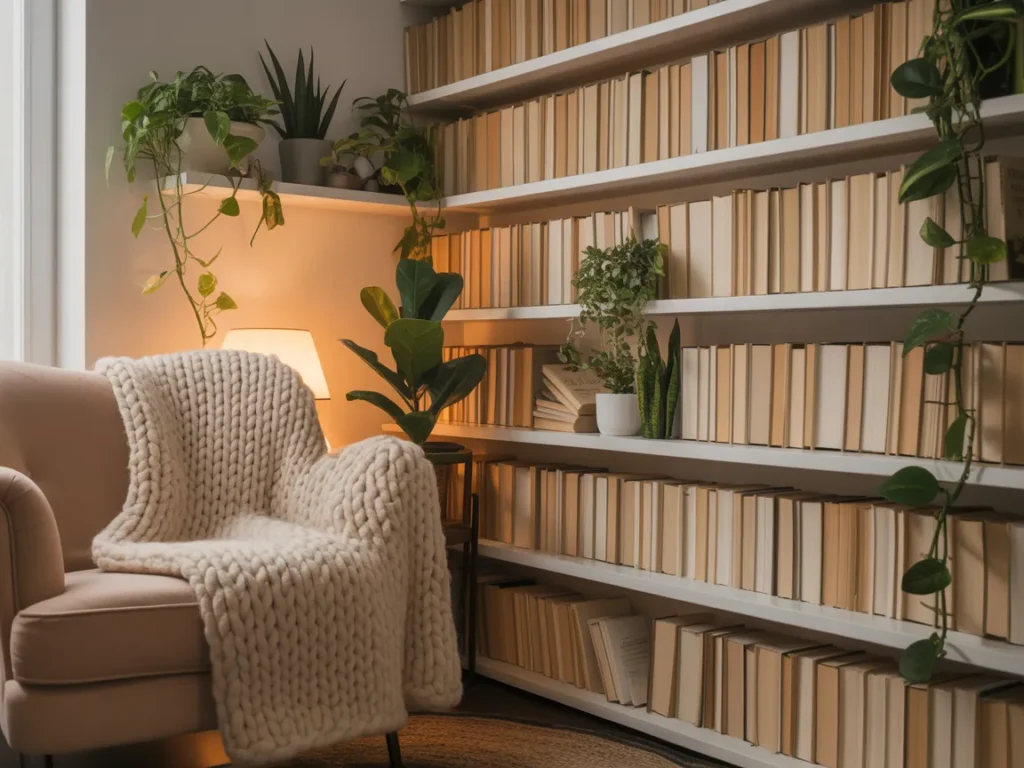
These shelves are perfect for creating a cozy reading nook while maintaining an uncluttered look. Smart placement improves room functionality.
8. Decorative Styling Enhances Bookshelf Appearance
Styling your bookshelf with plants, art, baskets, and books creates visual interest and personality. Balanced spacing prevents the shelf from looking overcrowded.
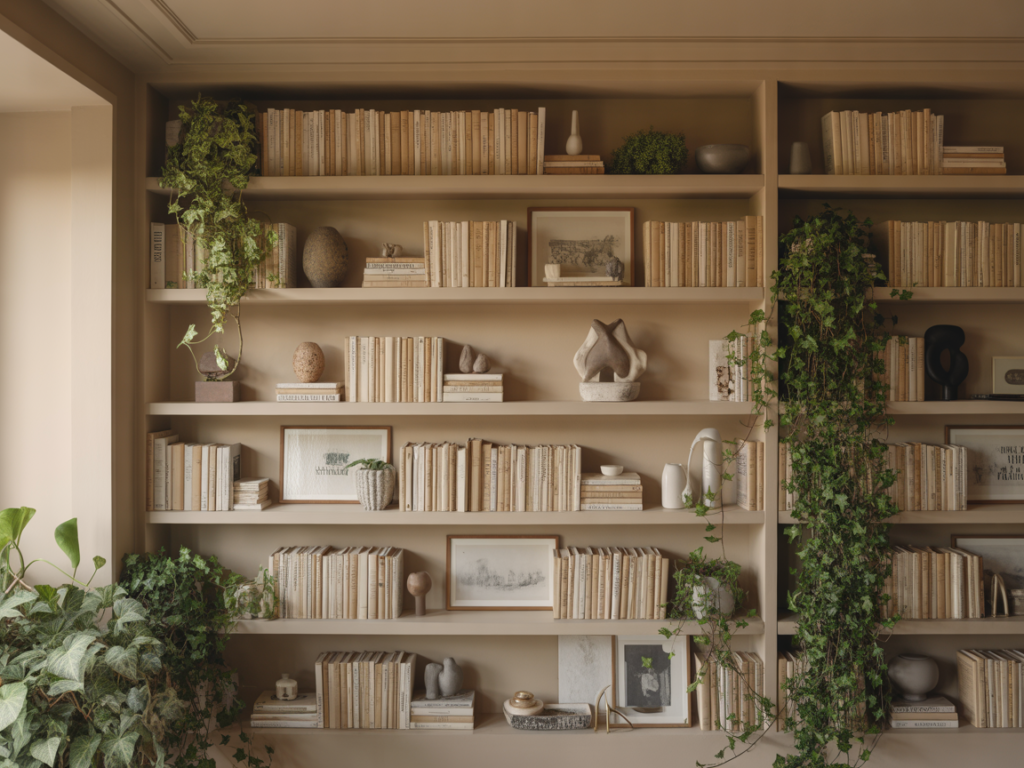
Use a mix of vertical and horizontal book arrangements for a designer-inspired look. Personal touches make the bookshelf feel curated and inviting.
Conclusion
Choosing the right bookshelf involves balancing size, material, and style with your storage needs and interior design. A well-selected bookshelf enhances organization while elevating the overall look of your home.
Use these ideas and image prompts to create visually appealing Pinterest pins that attract clicks and engagement. A thoughtfully designed bookshelf can become both a functional storage solution and a stylish focal point in any room.