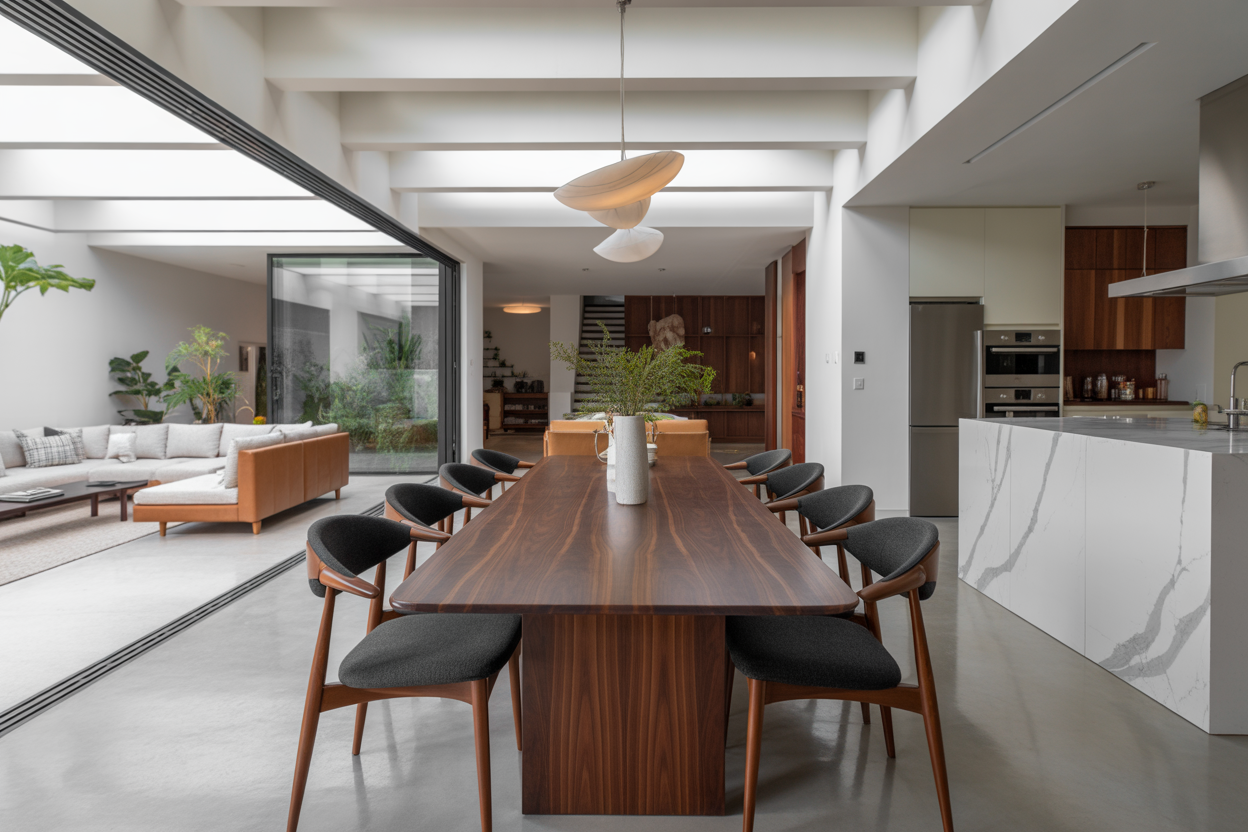
13 Open Plan Dining Room Ideas That Define the Space Without Walls
Open-plan living spaces are increasingly popular, but defining your dining area without walls can be a design challenge. The key is to use visual cues, furniture placement, and texture to create distinct zones. Here are 13 inspiring ways to achieve a stylish, defined dining space in an open layout.
1. Statement Dining Rug
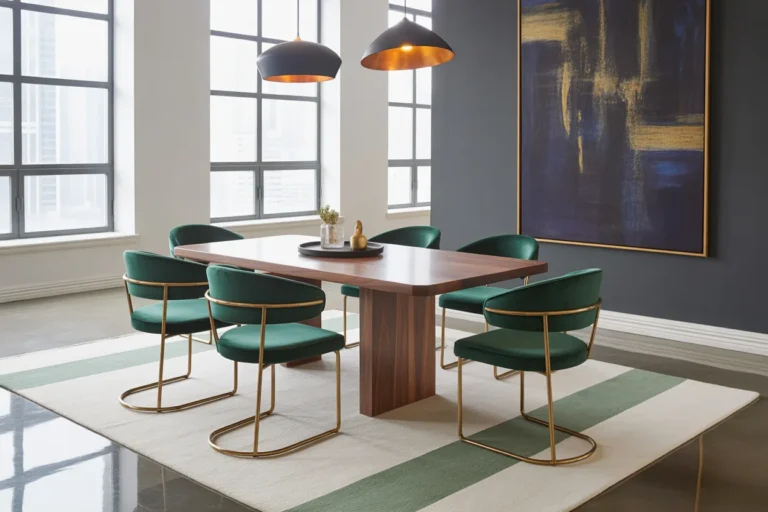
Using a bold or patterned rug under your dining table instantly separates it from the surrounding living area. Choose a rug that complements your furniture and overall color palette to create a visual anchor.
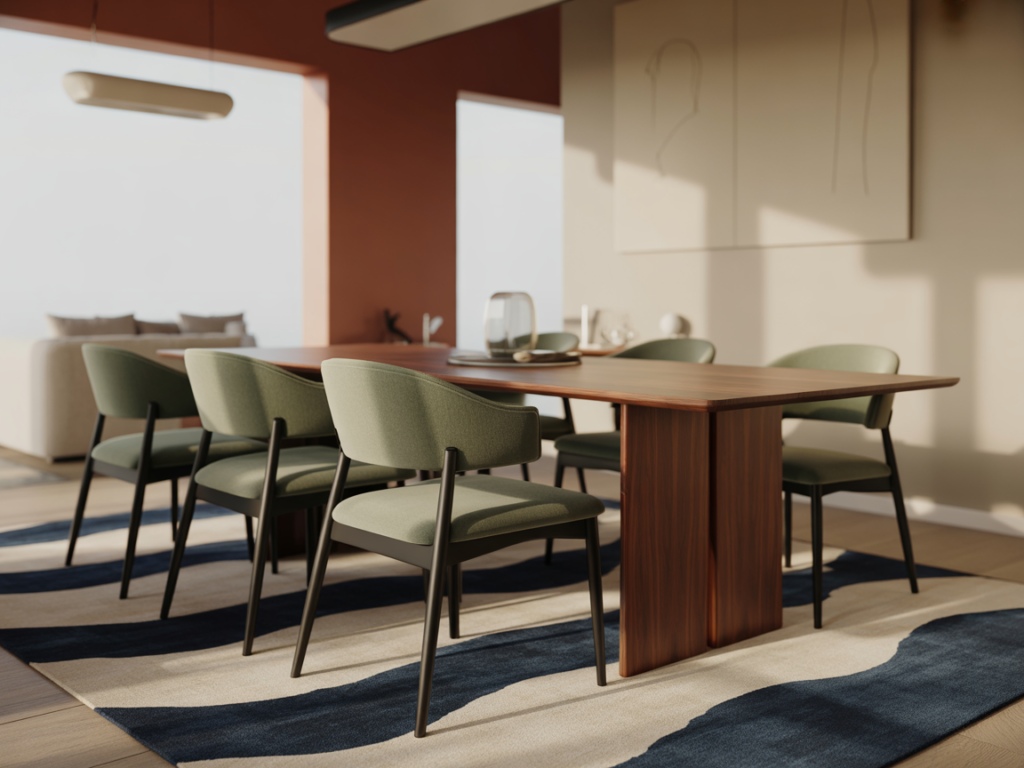
Pairing a mid-century wood dining table with upholstered chairs on a geometric rug can add character and warmth. The rug helps define the dining space while maintaining the open, airy feel.
2. Lighting as a Divider
A striking chandelier or pendant lights directly above the dining table naturally creates a focal point. This draws the eye and visually separates the dining area from the rest of the open space.
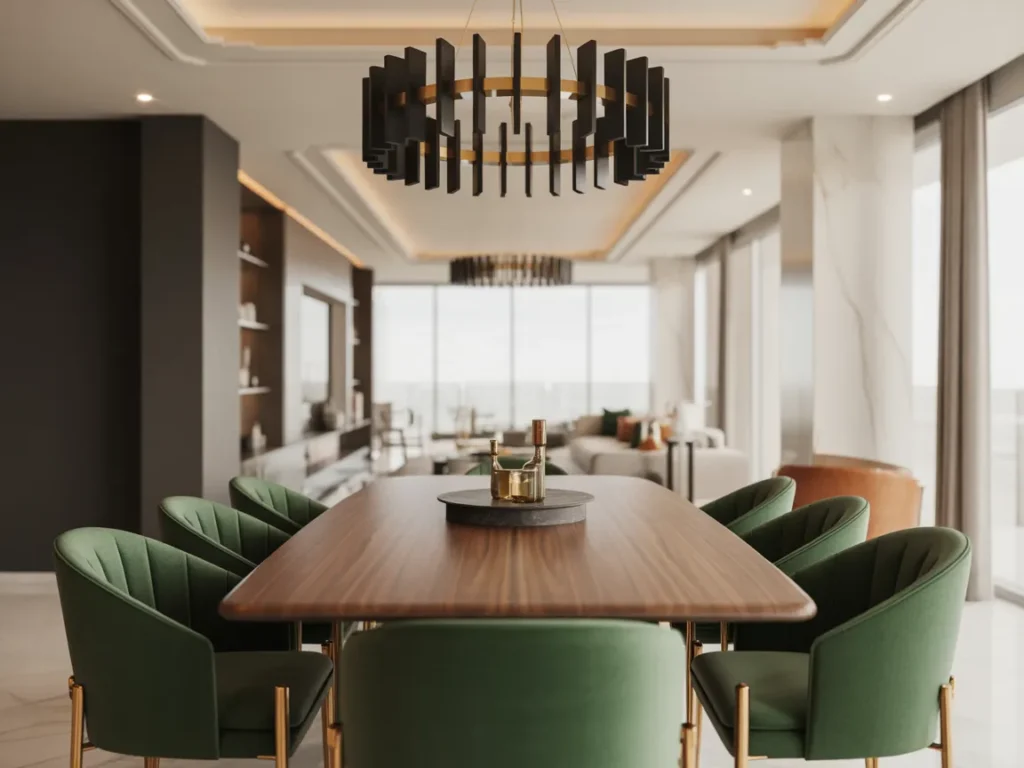
Consider layering ambient and accent lighting to enhance mood and define boundaries. For larger open spaces, use multiple pendants or a linear chandelier for a dramatic effect.
3. Half-Height Partition
A low bookshelf or console table can act as a subtle divider without blocking light. It provides storage while distinguishing the dining zone from the living area.
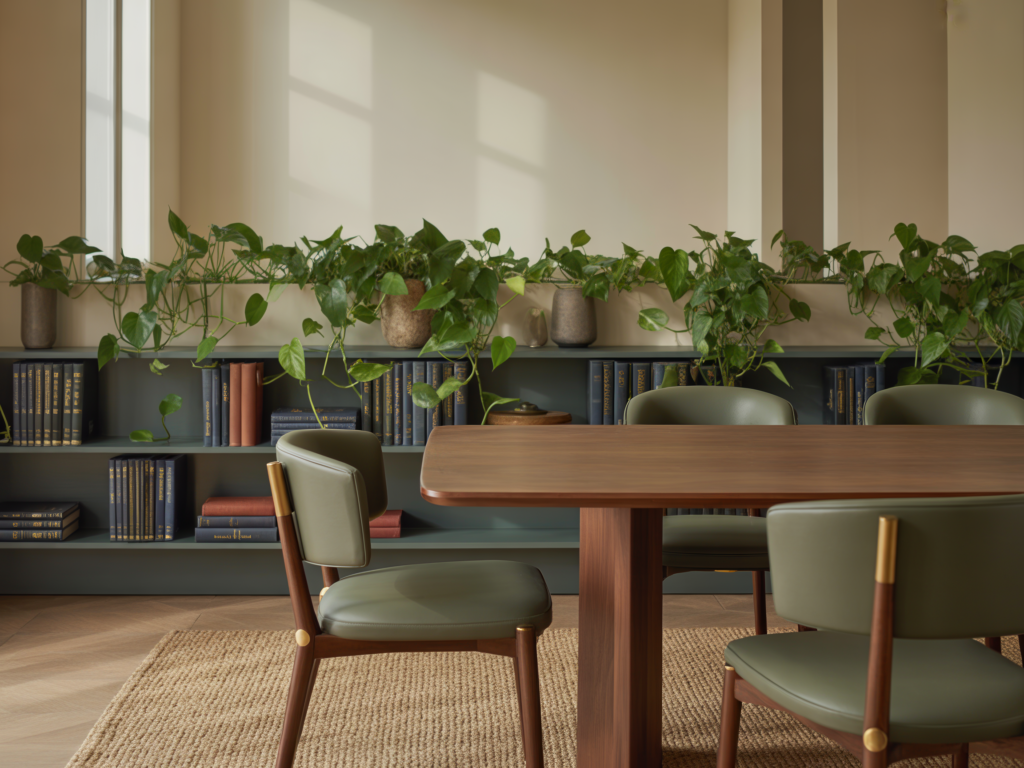
Decorate the partition with plants, books, or decorative objects for added style. This method maintains openness while creating a functional boundary.
4. Area Defined by Flooring
Using different flooring materials for the dining zone can visually set it apart. For instance, hardwood in the living area and tile or patterned wood in the dining space creates separation without walls.
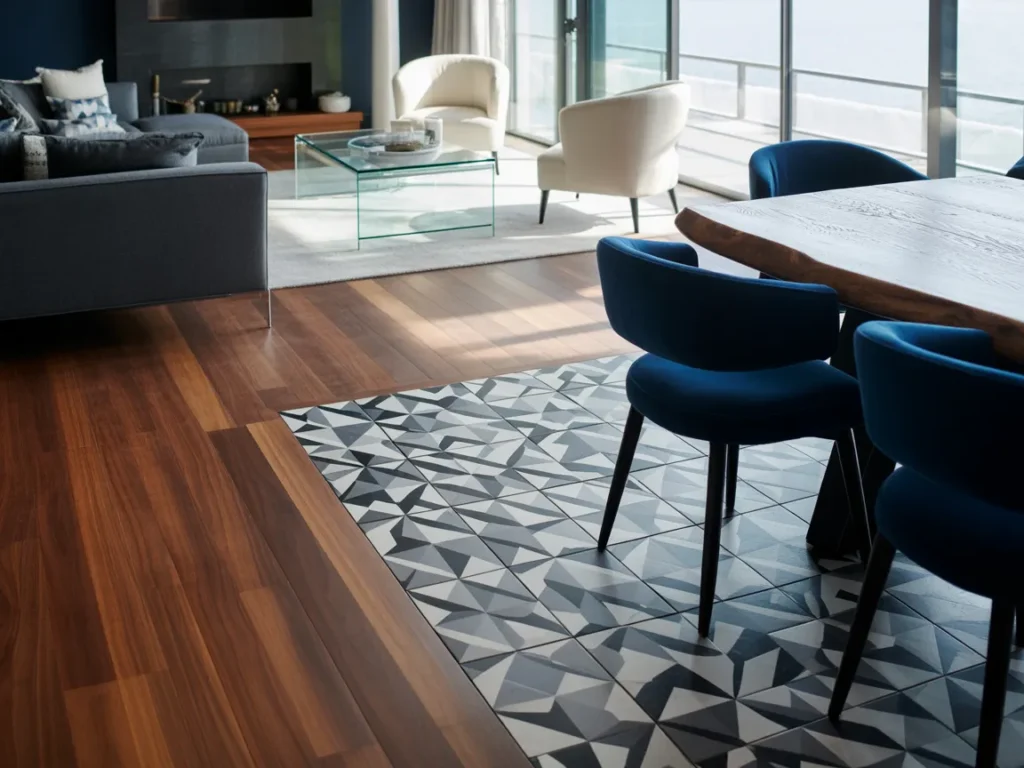
This technique adds texture and depth while keeping the area open and cohesive. It works especially well in continuous layouts where walls are absent.
5. Built-in Banquette Seating
A built-in bench along a wall or window corner anchors the dining area. Paired with a round or rectangular table, banquette seating provides intimacy and defines the space naturally.
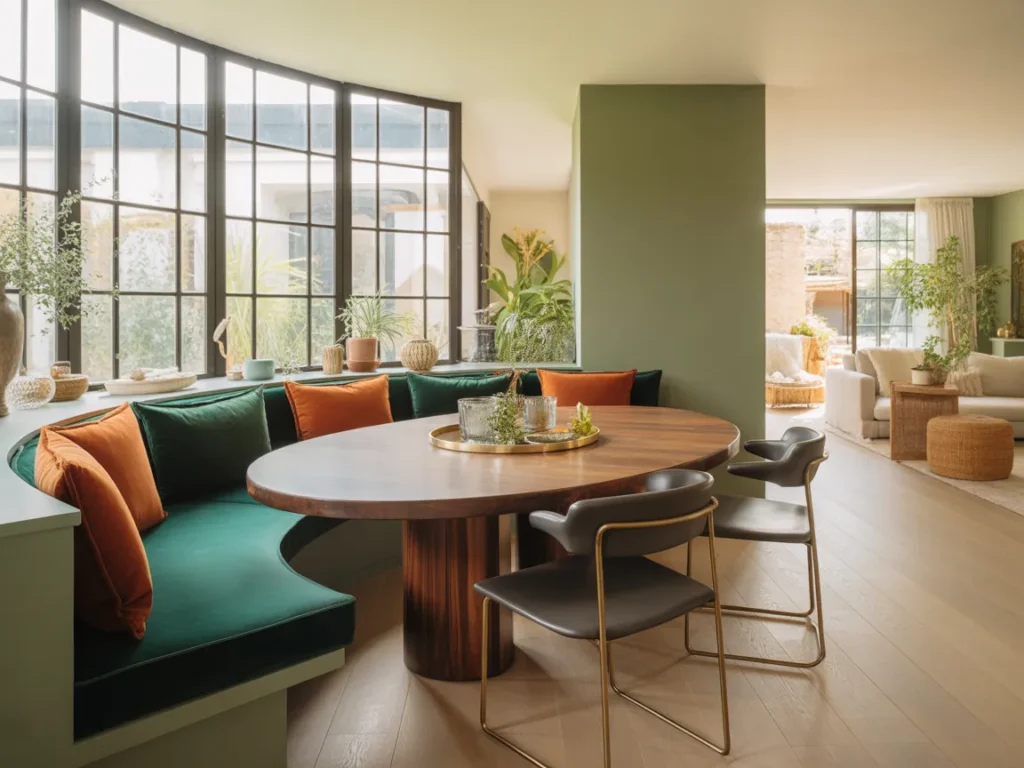
Adding cushions and contrasting upholstery adds comfort and visual distinction. This is a smart choice for open-plan spaces needing cozy corners.
6. Ceiling Design Variation
Differentiating the ceiling above the dining area using beams, coffers, or a painted accent color creates a subtle division. It visually frames the dining zone while keeping the floor plan open.
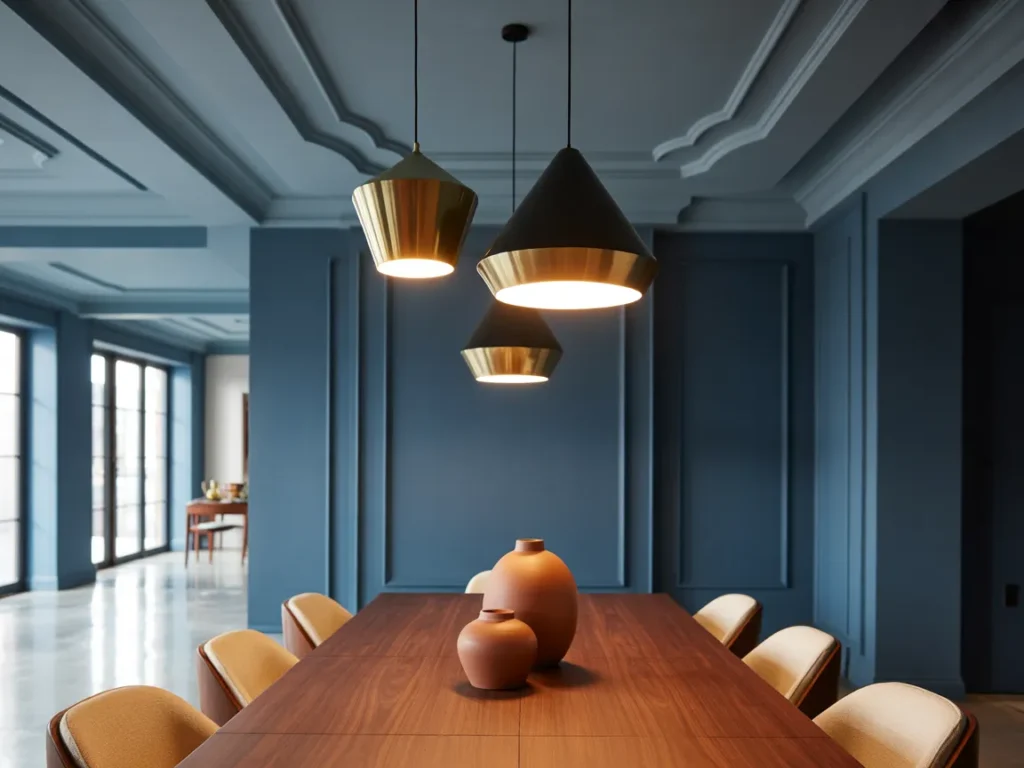
Complement this with matching lighting and furniture to reinforce the area’s purpose. The ceiling becomes an overhead “boundary” for the dining space.
7. Glass or Open Shelving Divider
Open shelving can define the dining zone while allowing light and views to pass through. This works as both a storage solution and a stylish separation technique.
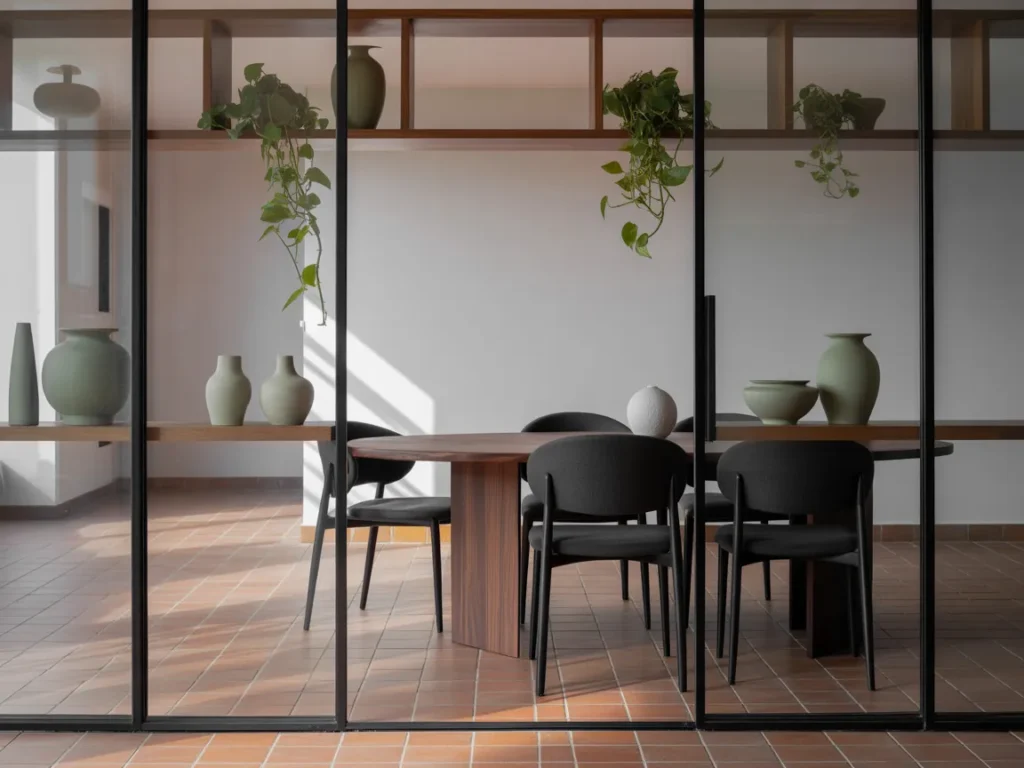
Decorate shelves with plants, ceramics, or books to create a functional, visually appealing boundary. The openness keeps the overall space airy and connected.
8. Color Zoning
Using a distinct color palette for the dining space differentiates it from the living area. This can include accent walls, chair colors, or table decor.
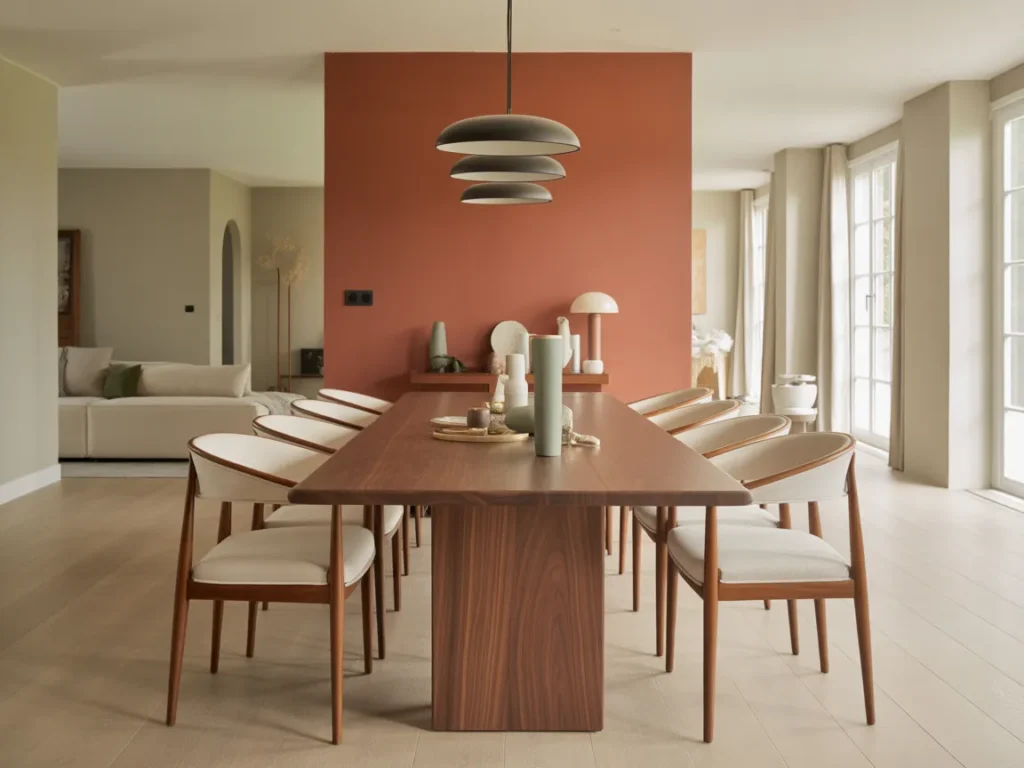
For subtle separation, paint only the wall behind the dining table or use colored chairs and rugs. Color creates a visual distinction without physical barriers.
9. Freestanding Fireplace
A modern freestanding fireplace can act as a dual-purpose divider, separating living and dining areas. It adds warmth, ambiance, and visual interest to open-plan layouts.
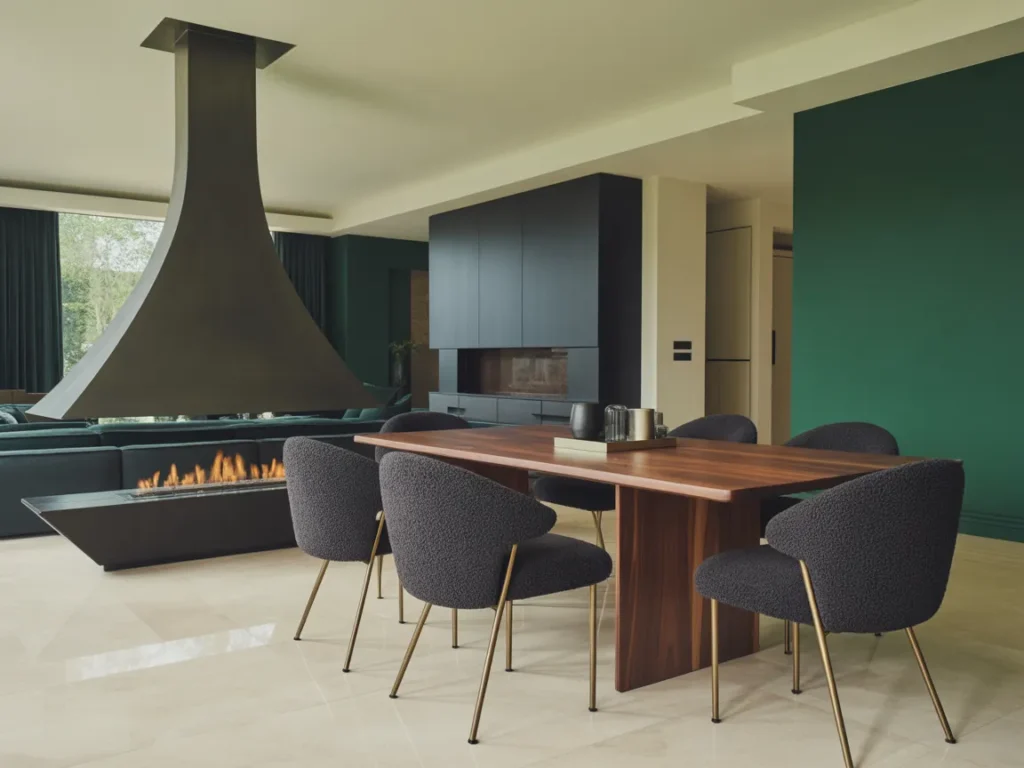
This approach creates zones while keeping the space feeling open and cohesive. Fireplace designs like double-sided units maximize functionality and style.
10. Statement Furniture Arrangement
Strategically arranging furniture, like orienting sofas with backs toward the dining area, defines zones naturally. It creates a visual boundary without walls.
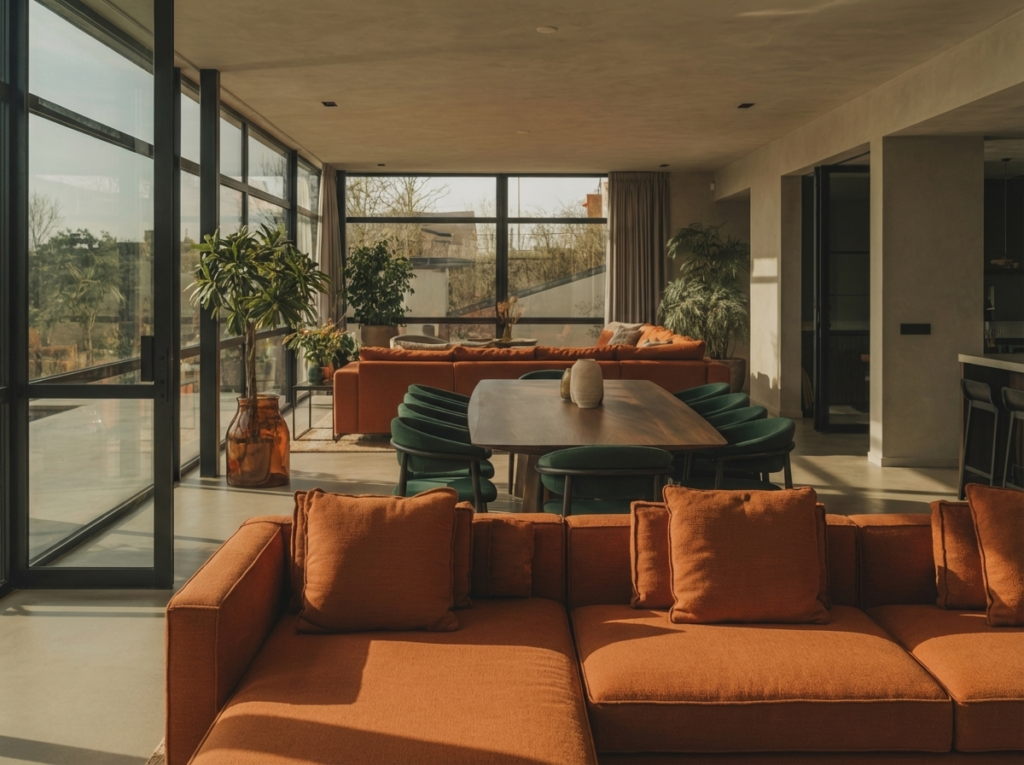
Mixing textures and finishes in both zones reinforces separation while maintaining an open feel. Accessories like rugs and lighting can further anchor each space.
11. Greenery Divider
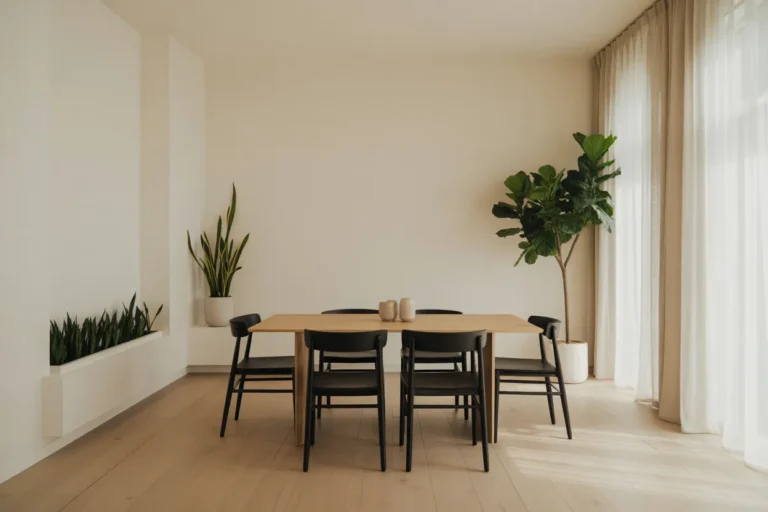
Tall indoor plants or a vertical garden can separate dining and living zones elegantly. Plants act as natural dividers and bring freshness to the space.
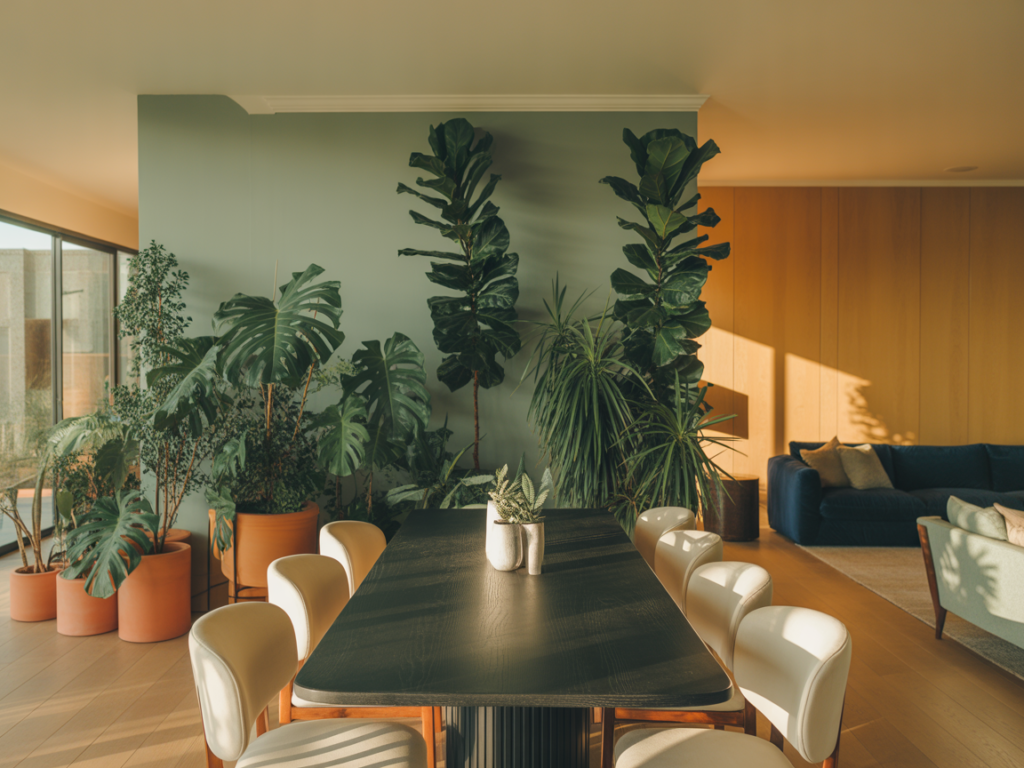
Use planters of varying heights for layered visual interest. This technique creates an organic boundary while maintaining light flow and openness.
12. Sliding Panels or Screens
Sliding panels or decorative screens offer flexible separation. They allow the space to remain open or partially enclosed depending on the occasion.
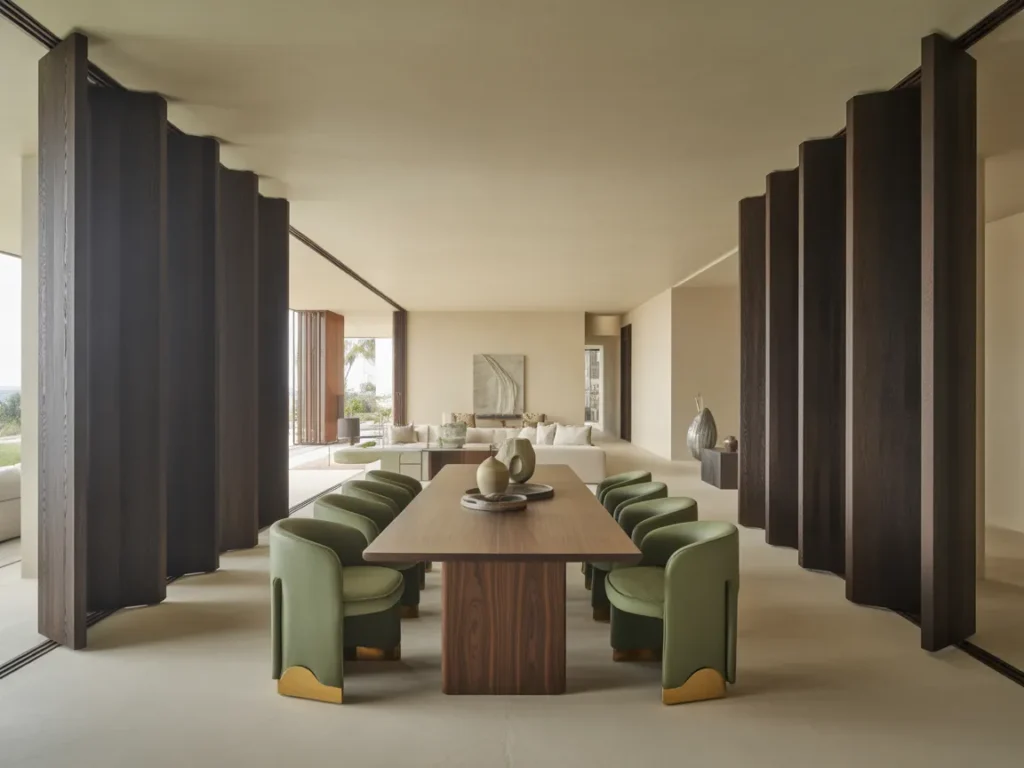
Choose materials like wood, glass, or woven textures for style and functionality. Panels can act as a focal point while creating a defined dining zone.
13. Layered Lighting & Accessories
Use layered lighting, such as floor lamps, pendant lights, and wall sconces, along with rugs and table accessories, to define your dining space. Accessories reinforce visual boundaries without walls.
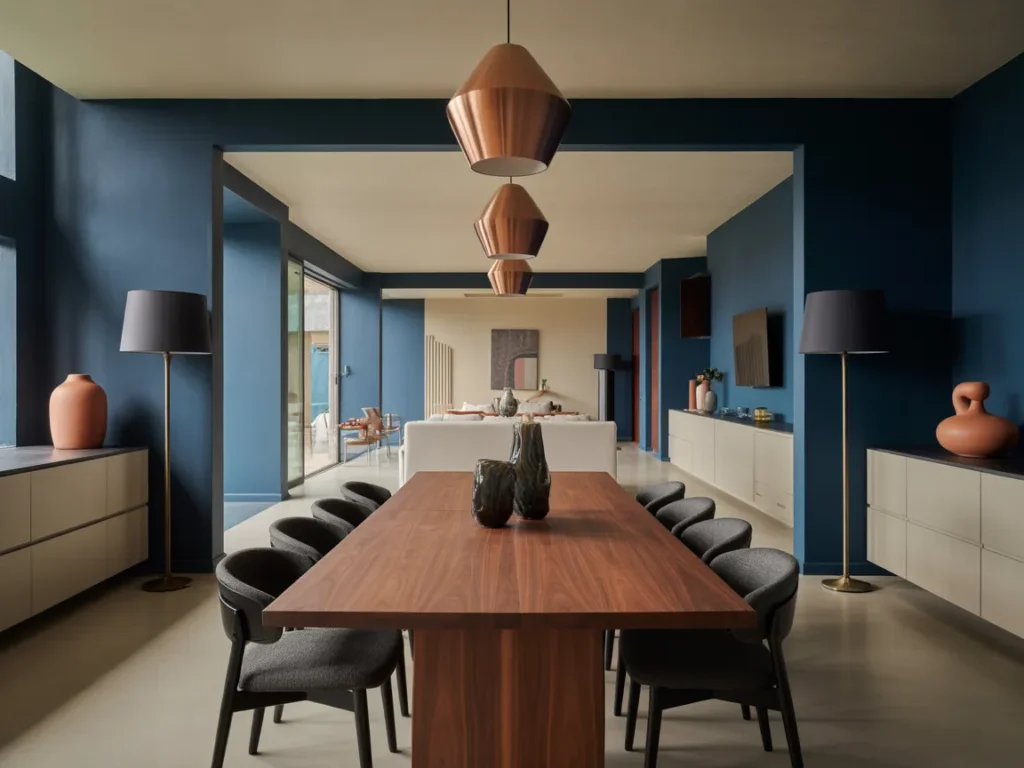
This approach allows for a cohesive style across zones while clearly indicating functional areas. Personal touches like art and centerpieces further anchor the dining space.