23 Organic Modern Living Room Styling Tips with Natural Materials
Introduction
When you step into an organic modern living room, something shifts within you—your shoulders drop, your breathing slows, and suddenly the chaos of the outside world feels miles away. This comprehensive guide will show you how to create that same transformative sanctuary in your own home, using natural materials and design principles that have stood the test of time. Whether you’re starting from scratch or refreshing your current space, these 23 expert-backed styling tips will help you achieve a living room that’s both visually stunning and deeply comfortable to live in every single day.
TIP #1: Master the Warm Neutral Color Palette
Every successful organic modern living room starts with warm neutrals. Creams, soft beiges, warm grays, and muted taupe form a calm, inviting base that supports the overall aesthetic. A simple guideline is to use warm neutrals for about 70% of walls and large furniture, creating a serene foundation that feels relaxed without appearing flat or dull.
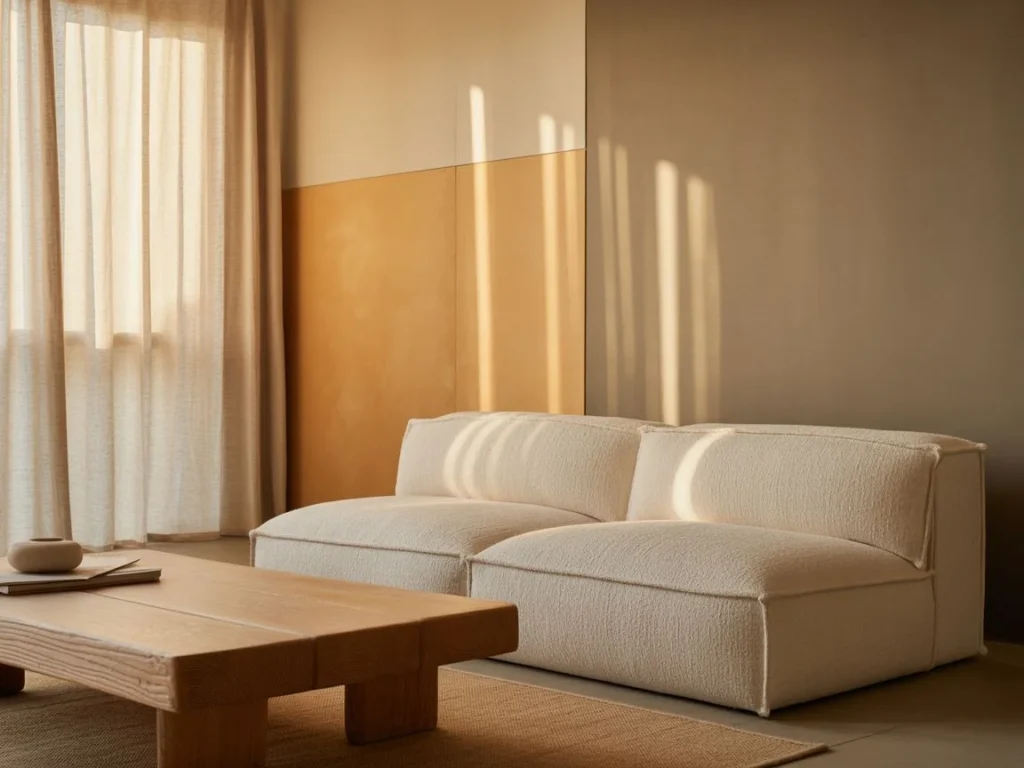
This neutral backdrop isn’t bland—it creates visual breathing room while allowing texture to take center stage. Natural materials like reclaimed wood, stone, and woven textiles stand out more clearly against these tones, adding depth without clutter. The restrained, monochromatic palette makes the space feel intentional, balanced, and thoughtfully layered.
🪵 Love the calm, natural feel of organic modern design? Japandi style speaks the same language — minimalist, cozy, and deeply grounded in natural materials:
➤ 18 Japandi Living Room Design: Minimalist, Cozy & Functional StyleTIP #2: Incorporate Reclaimed and Live-Edge Wood
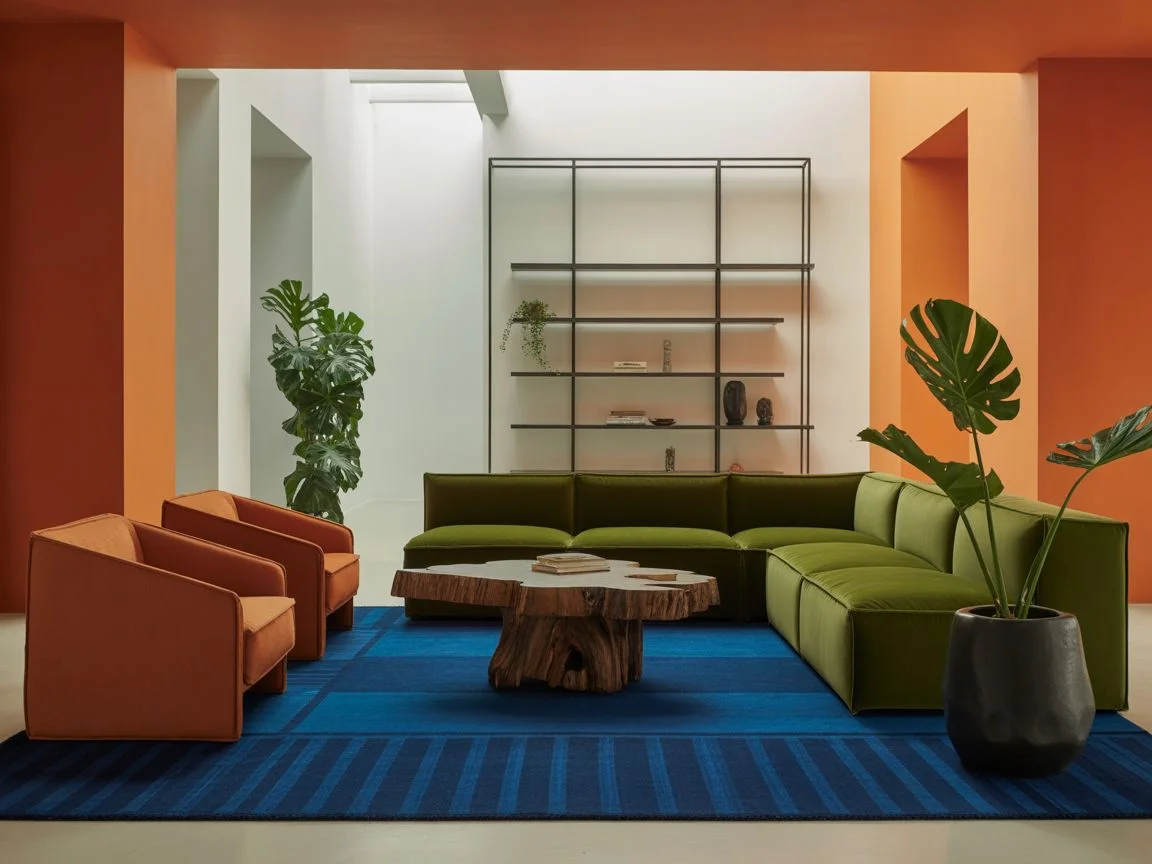
Reclaimed wood adds a sense of history and authenticity that new materials often lack. Whether used for live-edge tables, shelving, or accent walls, it brings warmth and sustainability into your space while strengthening an emotional connection to your home. Its natural imperfections make the room feel lived-in and genuine rather than overly polished.
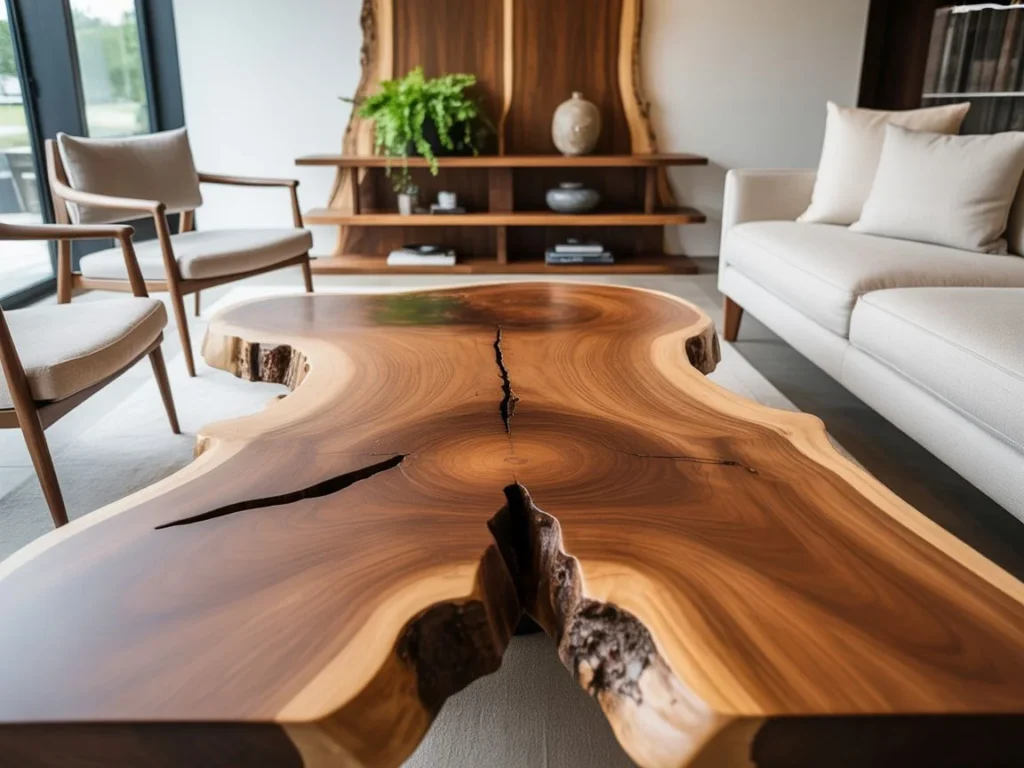
Live-edge wood pieces act as sculptural focal points that soften strict geometric lines and introduce organic movement. The raw edges highlight nature’s imperfect beauty, creating a balance between modern design and natural character. Paired with clean-lined furniture or neutral upholstery, reclaimed wood offers striking contrast that feels both contemporary and grounded.
TIP #3: Layer Natural Stone Strategically
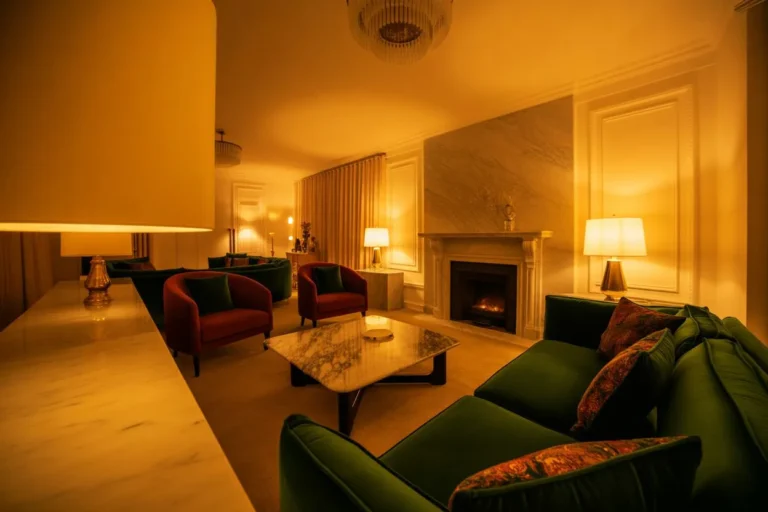
Natural stone—whether marble, travertine, or slate—adds depth, sophistication, and a strong connection to nature’s raw beauty. Used in fireplaces, accent walls, or sculptural decor, it creates grounding focal points and introduces tactile richness that makes the living room feel more sensory and inviting.
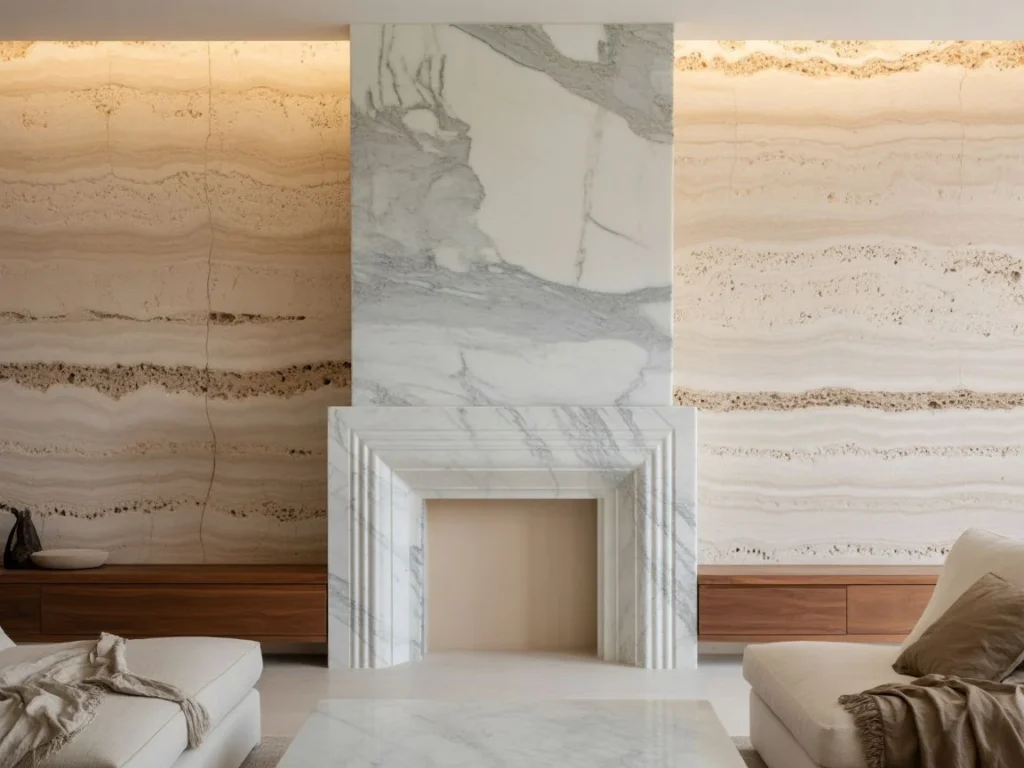
These materials bring timeless elegance while their natural veining, texture, and color variation prevent the space from feeling mass-produced or cold. When used selectively, stone adds visual weight without overwhelming the room, and its imperfections become the very elements that make the design feel authentic and enduring.
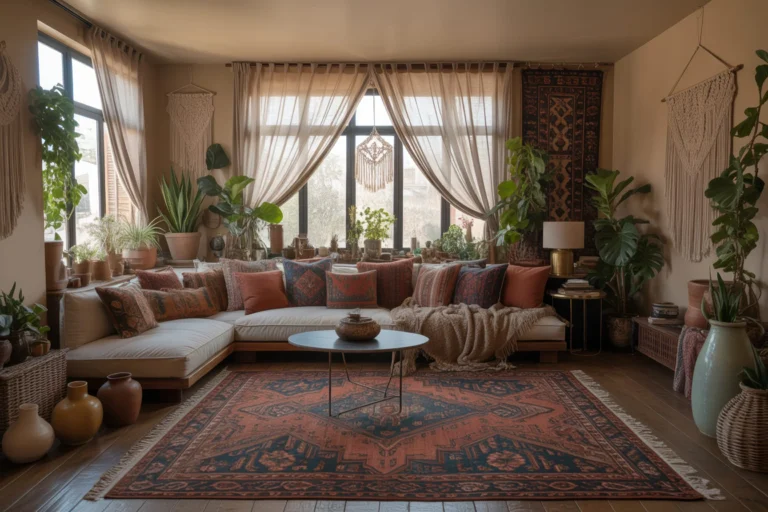
🌿 Drawn to the rattan, woven textures, and lush plants in this guide? Boho style layers all of those same natural elements into a warm, colorful living room full of character:
➤ 21 Boho Living Room Ideas: Layered, Colorful & Full of CharacterTIP #4: Choose Curved Furniture Over Sharp Angles
Curved furniture makes spaces feel more inviting because our brains perceive soft lines as safer and more welcoming than sharp angles. Rounded sofas, curved tables, or arched openings soften the geometry of modern interiors and create a gentle visual flow that naturally draws people in, making the room feel both comfortable and emotionally at ease.
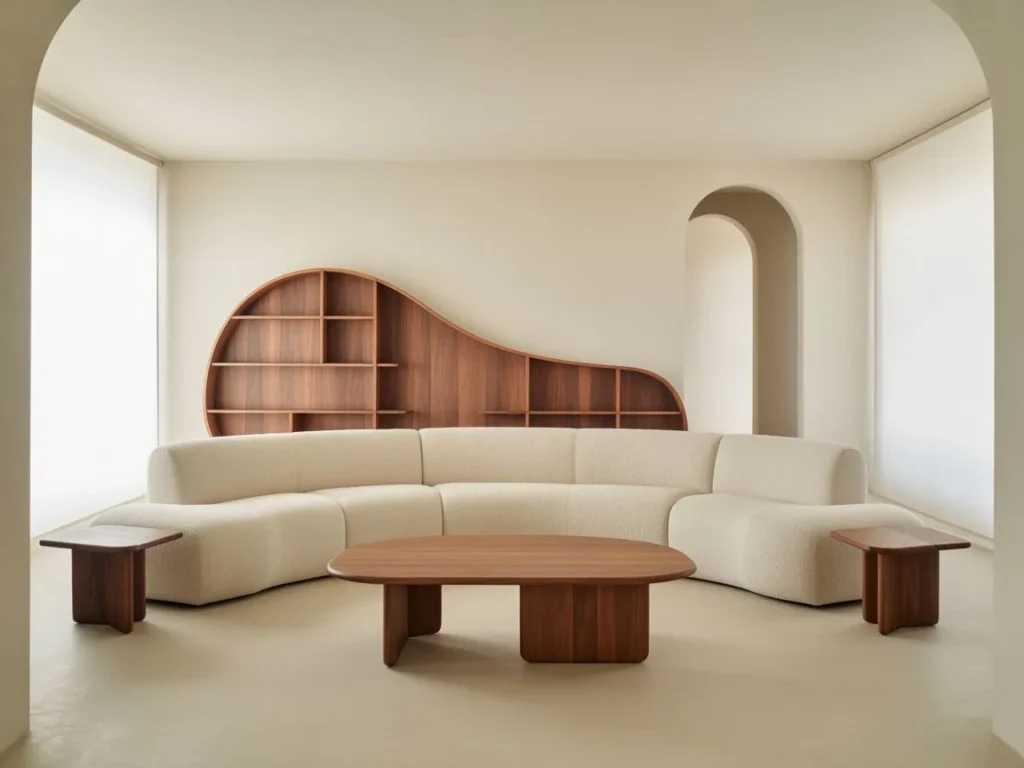
These rounded silhouettes add movement and fluidity, preventing the space from feeling rigid or overly formal. A curved sectional encourages relaxation, while arched shelving or consoles introduce balance and warmth. By echoing natural forms like flowing rivers and rolling hills, curved designs bring a calming, organic rhythm into the living room.
TIP #5: Embrace Textural Layering as Your Design Secret
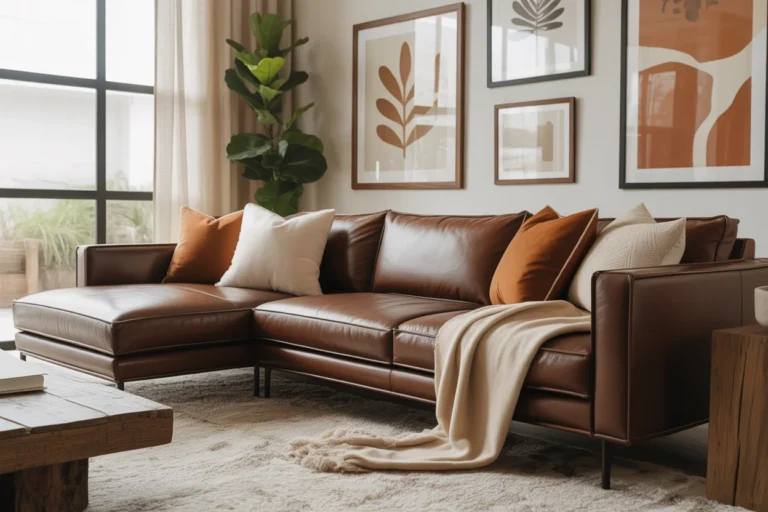
If neutral colors form the canvas, textures become the palette that brings organic modern design to life. Layering wool throws, linen cushions, woven baskets, hand-thrown ceramics, and boucle seating creates a tactile environment that feels warm, inviting, and truly lived-in, adding sensory depth beyond simple visual appeal.
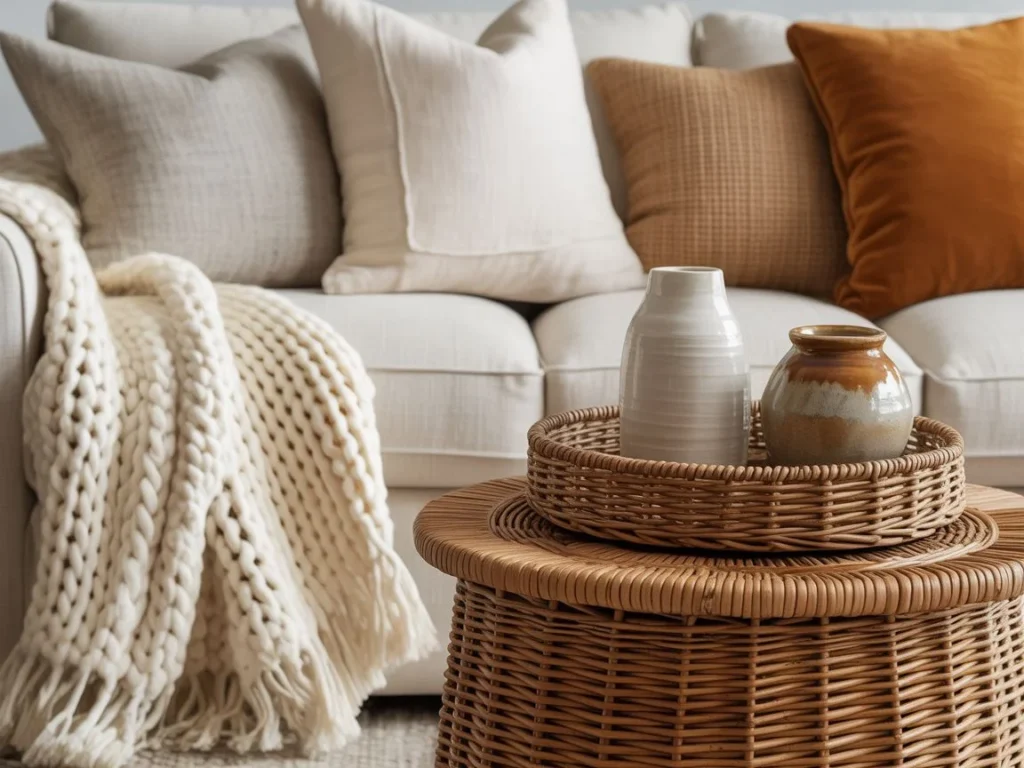
Textural layering keeps a neutral space from feeling flat by introducing contrast and rhythm through materials rather than color. Pairing matte finishes with subtle sheen, rough weaves with smooth ceramics, and soft fabrics with harder surfaces creates balance and comfort while maintaining a calm, cohesive look.
TIP #6: Prioritize Natural Light and Sheer Window Treatments
Light acts as an invisible material that shapes the mood of an organic modern living room. Prioritizing natural light through large windows and sheer linen curtains creates a calm, airy atmosphere while maintaining privacy. The quality of light directly influences emotional comfort, making it a key design decision rather than a finishing touch.
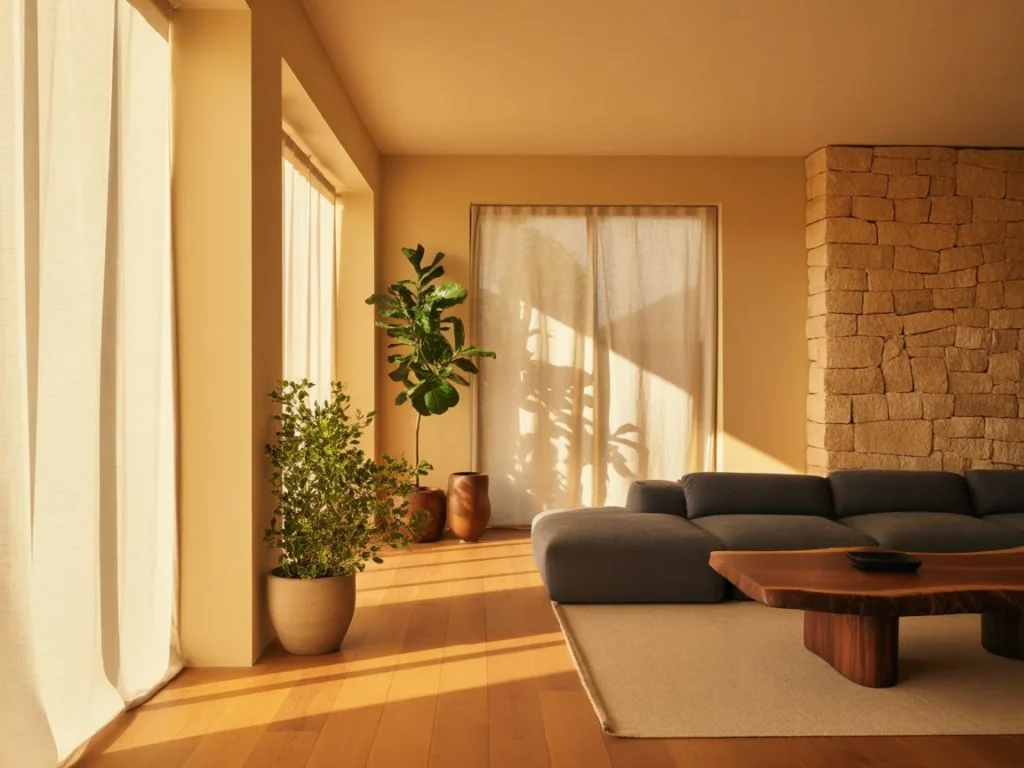
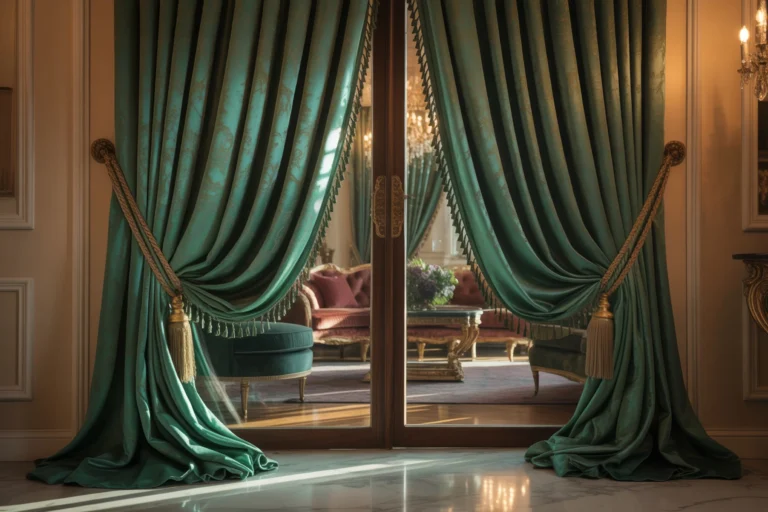
Sheer, natural fabrics gently diffuse sunlight, casting soft patterns that shift throughout the day. This allows textures like wood grain, stone surfaces, and woven materials to be fully appreciated, adding depth without heaviness. By avoiding dark, heavy drapes, the space stays connected to natural rhythms, subtly reflecting changes in time and season.
TIP #7: Select Sculptural Lighting as Functional Art
In organic modern design, lighting fixtures double as sculptural elements that add character while providing layered illumination. Pieces made from wood, rattan, ceramic, or metal highlight craftsmanship and natural beauty, allowing you to introduce personality into a neutral space without disturbing its calm, cohesive feel.
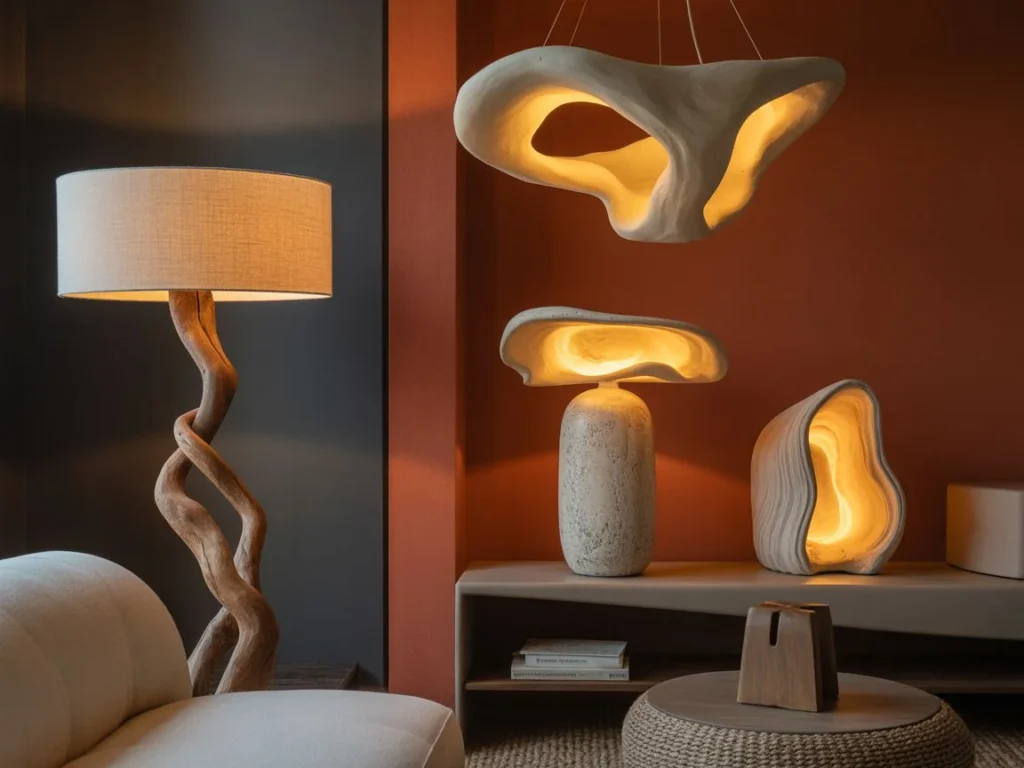
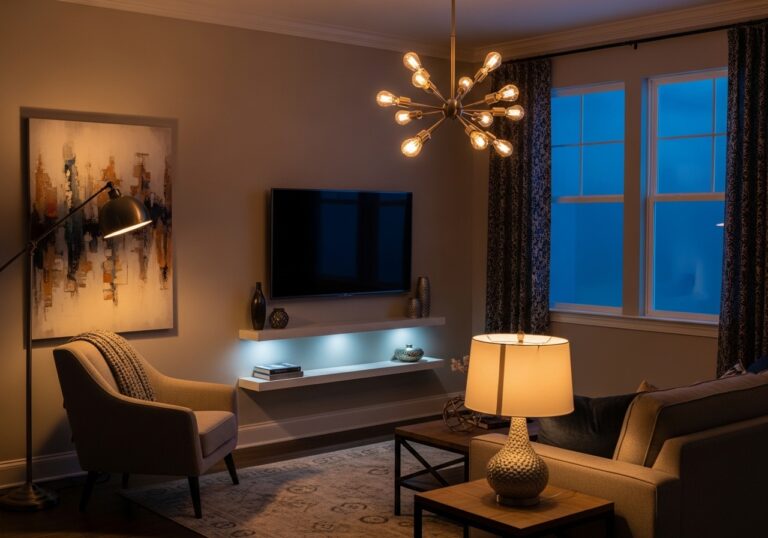
Using layered lighting at different heights—pendants, floor lamps, and table lamps—creates a warm, adaptable ambiance throughout the day. This approach enhances textures, highlights natural materials, and smoothly shifts the room’s mood from bright and airy to soft and intimate.
TIP #8: Introduce Living Walls and Biophilic Design Elements
Plants are essential in organic modern design, linking your interior to the living world outside. Large statement plants like monsters or birds of paradise add visual warmth, while trailing pothos and small succulents soften shelves and corners. Beyond aesthetics, greenery supports better air quality and nurtures a calming biophilic connection that enhances overall wellbeing.
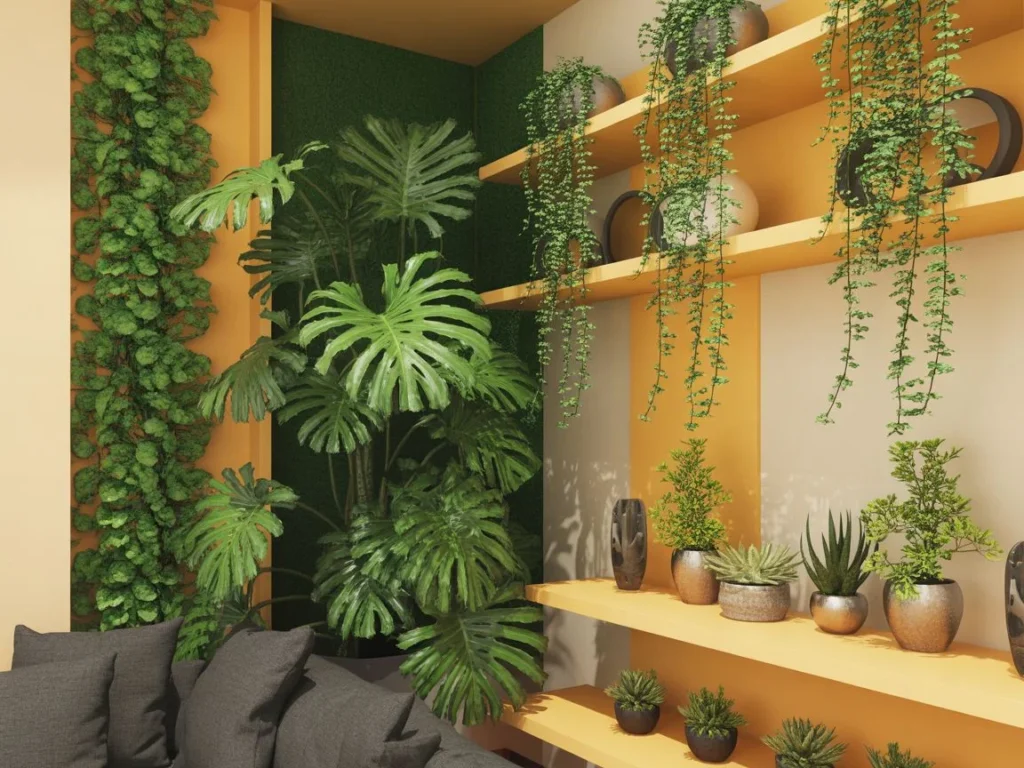
Thoughtfully arranged plants create movement, soften hard lines, and make the space feel vibrant and alive. Because they require ongoing care, they become part of daily life rather than static decor, strengthening your emotional bond with the room. Their natural growth, color variation, and seasonal shifts bring dynamic beauty that keeps the space feeling fresh and connected to nature.
TIP #9: Use Warm Metals Thoughtfully for Sophistication
Warm metals like brass, copper, and bronze add subtle sophistication while staying true to organic modern design’s earthy warmth. Unlike cool, polished finishes, these metals develop a natural patina over time, giving them character and depth. Used in mirrors, lighting, or furniture details, they introduce a refined edge without feeling sterile.
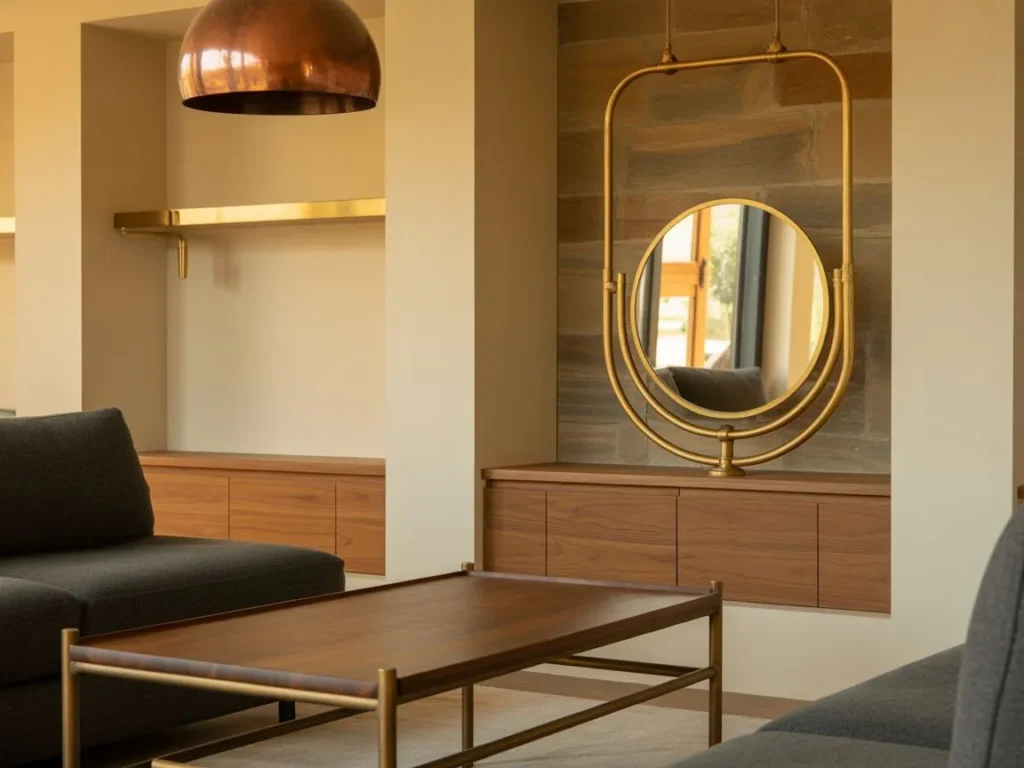
These metals work best when integrated thoughtfully—such as brass-framed mirrors, copper pendants, or bronze accents that complement wood and stone elements. A restrained approach keeps the space balanced and intentional, allowing a few well-chosen metallic touches to enhance the neutral palette without overpowering its calm, grounded feel.
TIP #10: Design with Sculptural, Statement Furniture Pieces
In an organic modern room, every furniture piece should balance function and beauty, earning its place through thoughtful design. Sculptural armchairs, geometric benches, or striking wooden consoles act as focal points that define the space while maintaining clean lines and practical simplicity.
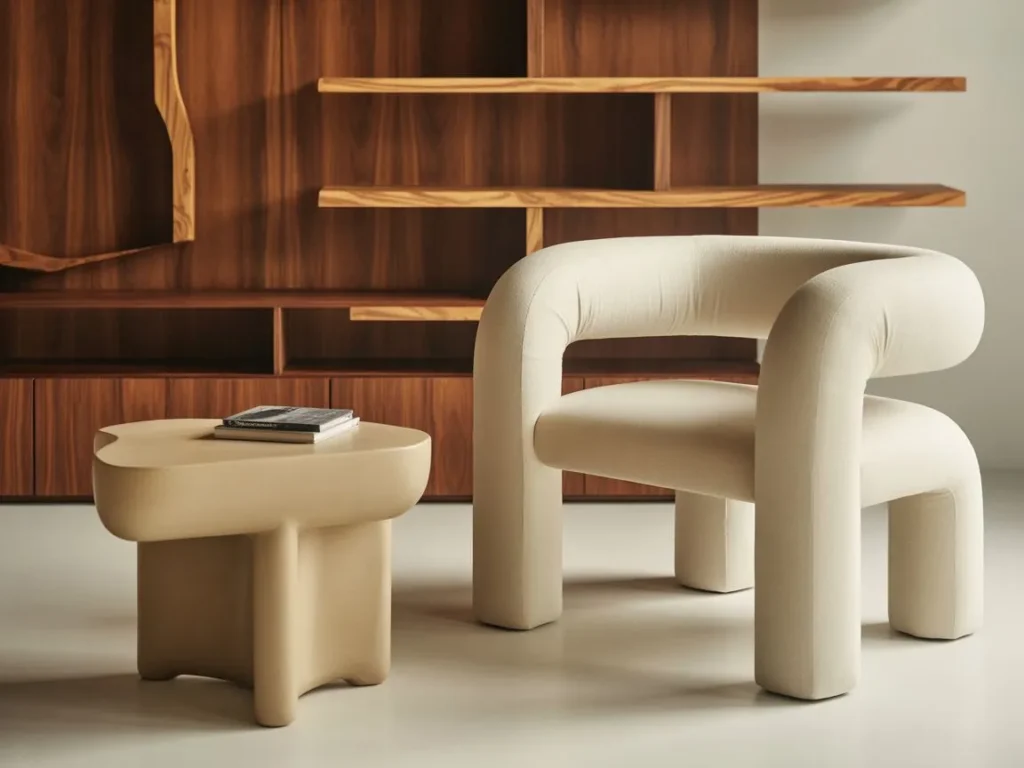
Statement furniture doesn’t need bold color to stand out; unique proportions, organic curves, or distinctive materials often make the strongest impact. Pieces like a vintage credenza, a ceramic-based table, or a chair with an unexpected silhouette add personality and form the structural foundation around which texture and comfort are layered.
TIP #11: Create Contrast with the 70-20-10 Design Formula
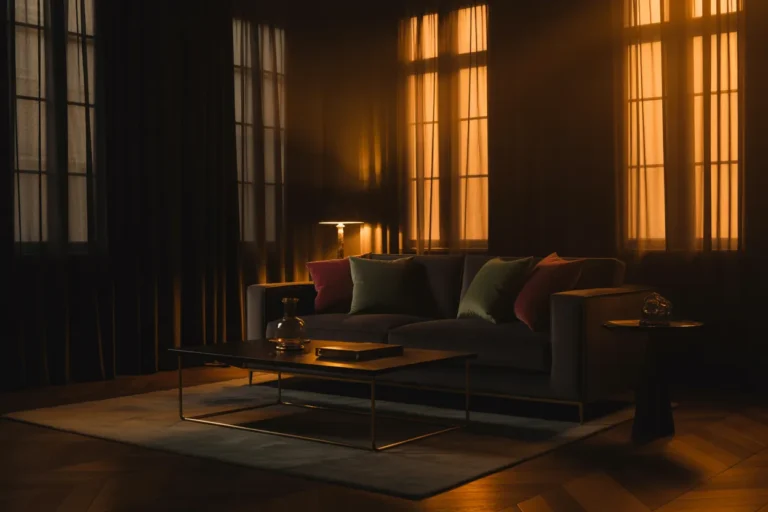
Design experts often suggest a simple formula for organic modern spaces: 70% warm neutrals, 20% natural textures and wood, and 10% dark contrast. This balance keeps the room from feeling flat while adding depth and sophistication. Strategic dark accents—such as charcoal floors, dark wood pieces, or black metal details—act as visual anchors that make the overall design feel cohesive and intentional.

These darker elements function like visual punctuation, creating contrast and guiding the eye through the space. A charcoal rug, dark shelving, or black fixtures can ground the room without overpowering it. Used sparingly, they enhance the warmth of neutrals and highlight the richness of natural materials, resulting in a more layered and balanced interior.
TIP #12: Incorporate Hand-Thrown Ceramics and Artisanal Accessories
Hand-thrown pottery and ceramics bring warmth and authenticity by showcasing human craftsmanship. Each unique piece—whether a vase, vessel, or sculptural form—adds character and visual interest while connecting a modern space to timeless craft traditions.
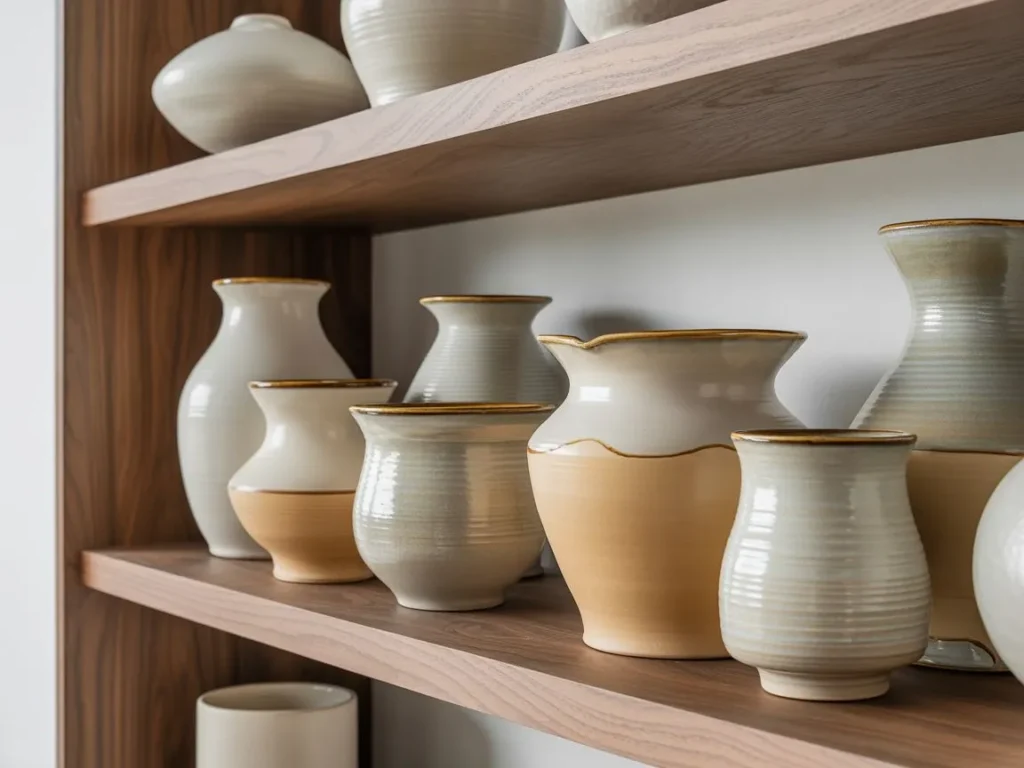
Their slight imperfections, color variations, and organic glazing patterns are what make them especially appealing in organic modern design. These details celebrate authenticity over perfection, signaling a space that values creativity, intention, and handcrafted beauty rather than mass-produced uniformity.
TIP #13: Use Natural Fiber Rugs to Define Spaces
A natural fiber rug grounds the living room while adding warmth and softness underfoot. Jute, sisal, and wool rugs in neutral tones define zones, layer easily beneath furniture, and introduce authentic organic texture without disrupting a calm, cohesive palette.
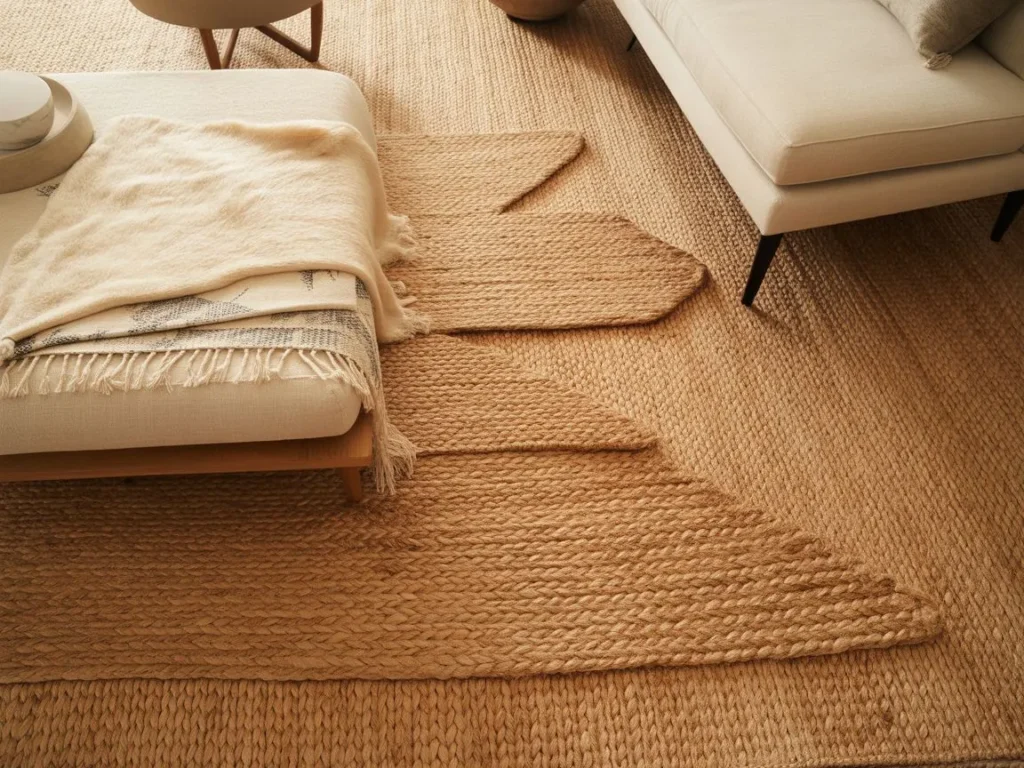
Layering rugs—such as a large jute base with a smaller wool rug on top—adds depth and visual interest while staying true to the organic modern style. Their subtle imperfections, color variations, and natural aging create character over time, making them lasting pieces that grow more beautiful with use.
TIP #14: Embrace Woven and Rattan Textiles
Woven textures add organic warmth and handcrafted character that machine-made materials often lack. Pieces like rattan tables, woven baskets, and hemp throws introduce tactile richness and subtle geometric interest while maintaining a calm, neutral aesthetic.
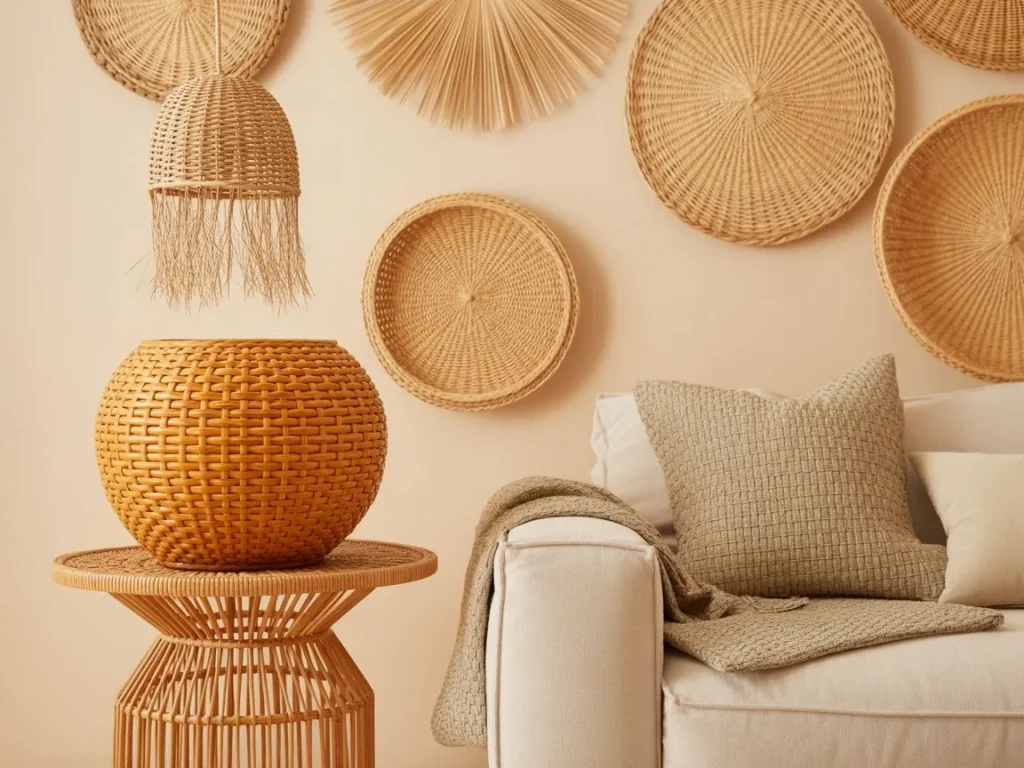
These elements function as both decor and practical storage, blending beauty with purpose. Their warm tones and natural patterns connect your space to global craft traditions and sustainable practices, adding personality without disturbing the peaceful, cohesive design.
TIP #15: Design Open Floor Plans for Flow and Connection
Open floor plans enhance organic modern design by allowing light, materials, and movement to flow freely between spaces, creating a sense of continuity and visual harmony. With fewer barriers, natural textures and finishes can be appreciated throughout, making the home feel more connected, spacious, and relaxed.

This openness also supports flexible zoning through furniture placement and material choices rather than walls. Distinct areas for conversation, dining, or quiet reading can coexist within one cohesive layout, adapting easily to different moods and daily activities while maintaining clear sightlines and a calm, unified aesthetic.
TIP #16: Integrate Cork and Sustainable Materials
Sustainable materials like cork, bamboo, and reclaimed wood add warmth and texture while reflecting a commitment to responsible design. Cork panels, bamboo shelving, or eco-friendly accessories bring natural character into the room, turning your space into a subtle expression of environmental awareness without sacrificing style.
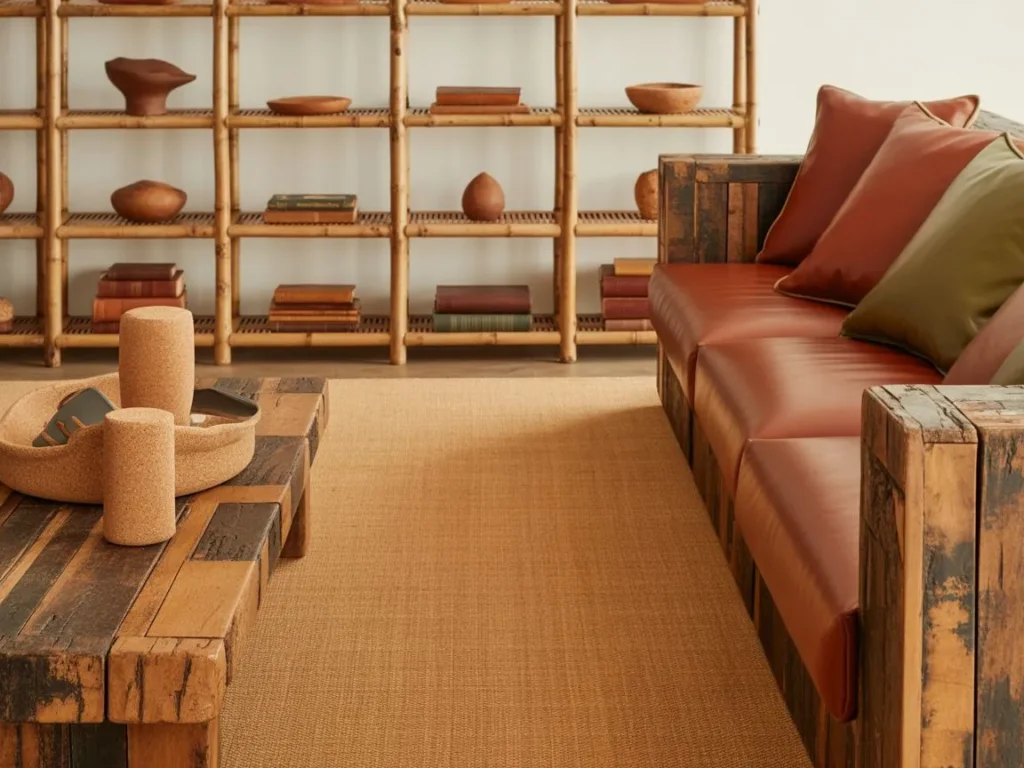
These materials age gracefully, developing richer patina and character over time. Their durability and renewable nature support the organic modern aesthetic while reducing the need for frequent replacements, allowing your home to remain both beautiful and environmentally mindful in the long run.
TIP #17: Select Low-Profile Seating for Modern Proportion
Organic modern furniture often features lower profiles and generous proportions, creating a sense of visual lightness and contemporary comfort. Low-slung sofas, floor cushions, and platform pieces feel cozy and intimate while nodding to mid-century modern influences in a fresh, modern way.
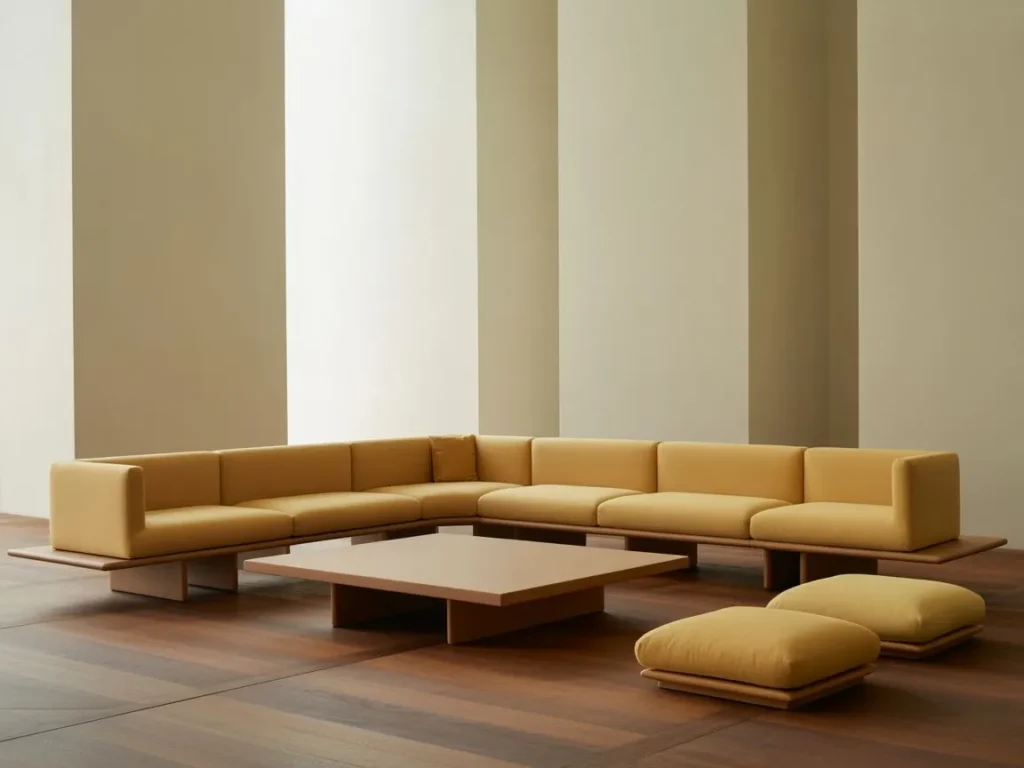
These lower silhouettes also make rooms appear taller and more open by leaving more wall space visible. Clean lines and intentional negative space enhance the uncluttered, calming aesthetic, helping the room feel spacious, balanced, and quietly sophisticated.
TIP #18: Create Focal Points with Statement Walls and Textures
Keeping most walls neutral while highlighting one statement wall adds depth without overwhelming the space. Options like textured wallpaper, exposed brick, fluted wood paneling, or subtle geometric patterns introduce architectural interest and personality while maintaining a calm, cohesive look.
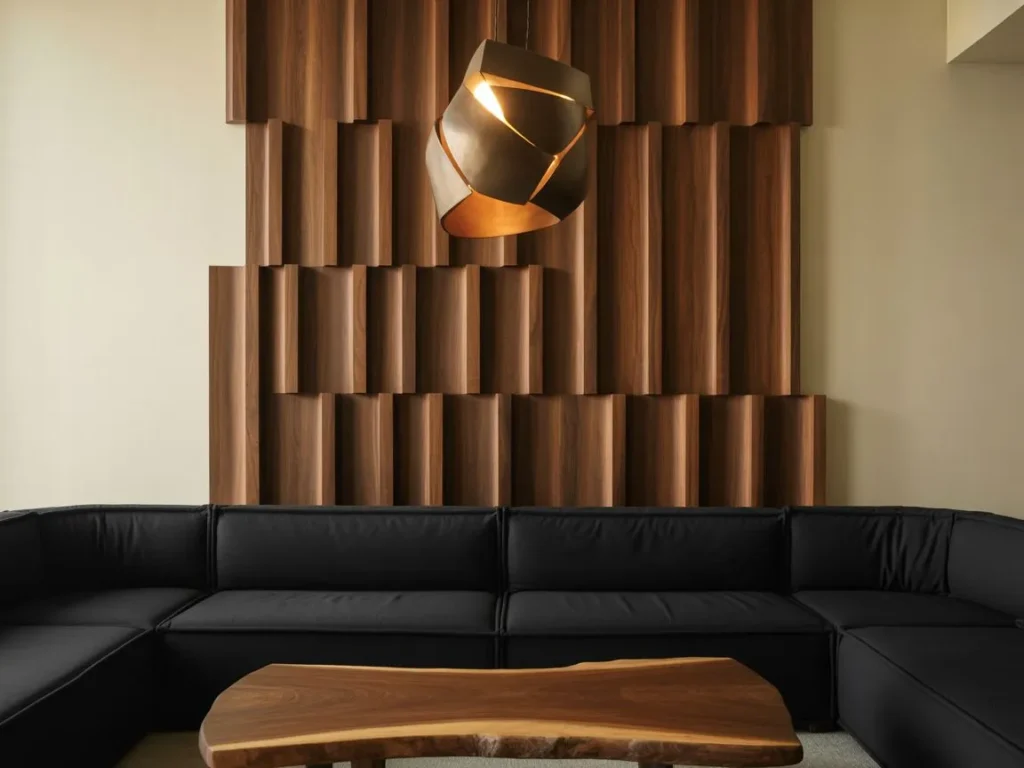
When the texture feels natural and authentic, a single accent wall creates visual rhythm and a clear focal point. Elements like shiplap, board and batten, or fluted panels add dimension and warmth, preventing the room from feeling flat while preserving the organic modern aesthetic.
TIP #19: Incorporate Natural Wood Ceiling Details
Adding natural wood to the ceiling creates enveloping warmth and strong architectural interest, turning an often-overlooked surface into a design feature. Wood beams, paneling, or subtle planks draw the eye upward, celebrate natural materials, and make the room feel more inviting without relying on bold paint colors.
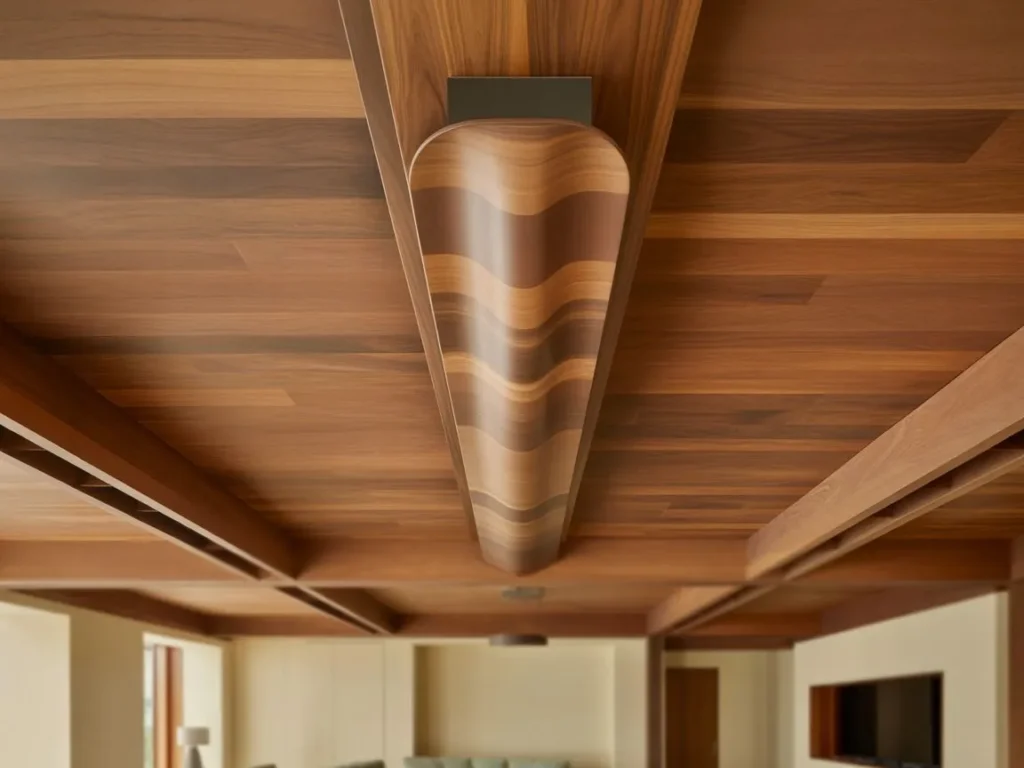
Wood ceilings also interact beautifully with changing light, revealing shifting grain, texture, and tone throughout the day. This dynamic quality adds depth and craftsmanship, ensuring the space feels warm, intentional, and visually engaging rather than static.
TIP #20: Design a Sunken Seating Area for Intimate Gathering
A sunken conversation pit or lowered seating area creates an intimate retreat within a larger living room, encouraging connection and relaxed interaction. Built-in bench seating with plush linen cushions, paired with a central table and warm wood details, blends contemporary minimalism with a cozy, grounded feel.
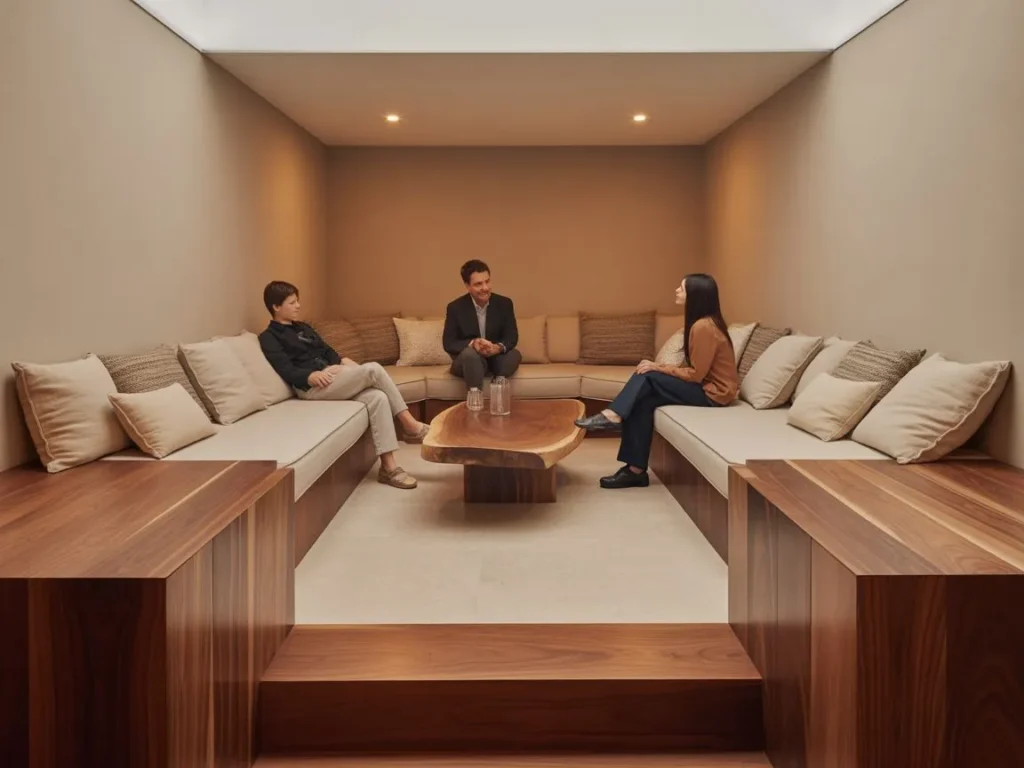
The circular or curved layout promotes natural social flow, allowing everyone to face each other comfortably. Layered pillows and textured throws add warmth while maintaining sophistication, turning the space into a welcoming focal point where people naturally gather and linger.
TIP #21: Choose Matte Finishes Throughout for Sophisticated Calm
Matte finishes on walls, furniture, and decor create a calm, contemporary look by reducing glare and visual noise. Unlike glossy surfaces that compete for attention, matte textures recede gently, highlighting form, material authenticity, and subtle tactile detail in line with organic modern design.
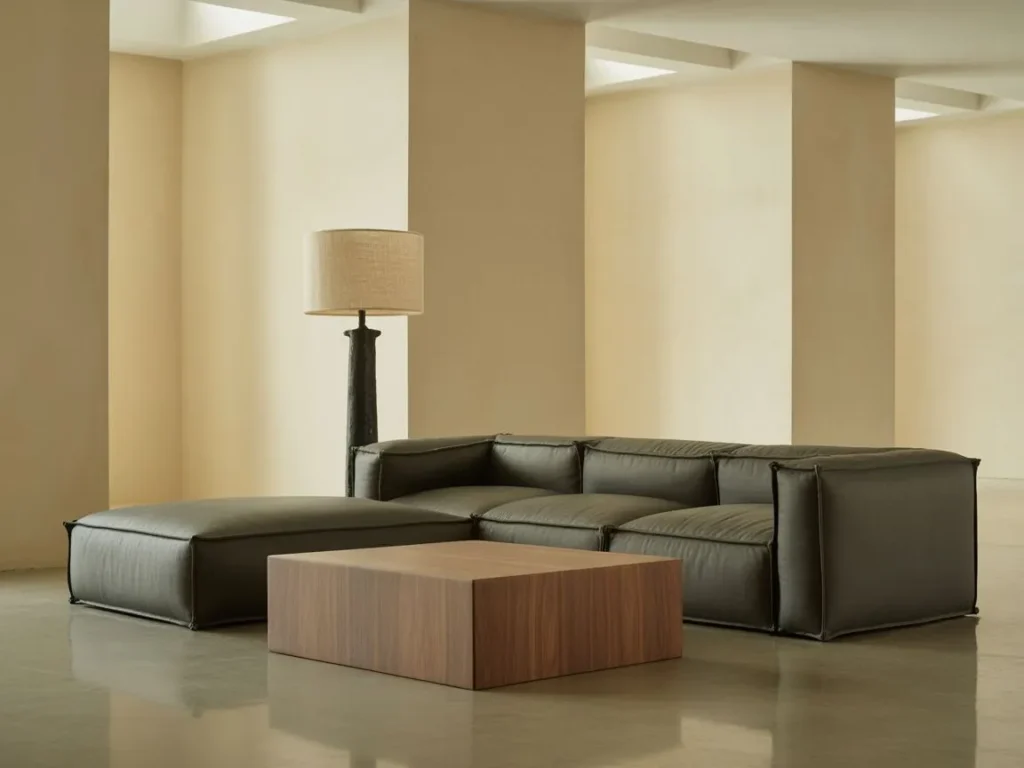
Using matte paint, ceramics, wood furniture, and lighting together builds visual cohesion and a sense of understated elegance. Their soft light absorption makes spaces feel more intimate and restful, helping the room function as a soothing, low-stimulation sanctuary.
TIP #22: Incorporate Large-Scale Abstract Art in Muted Tones
Original artwork or thoughtfully chosen prints in muted, earthy tones add personality without disturbing a calm, neutral aesthetic. Large-scale abstract pieces pair well with natural materials and rounded furniture, acting as focal points while staying harmonious with the organic modern palette.
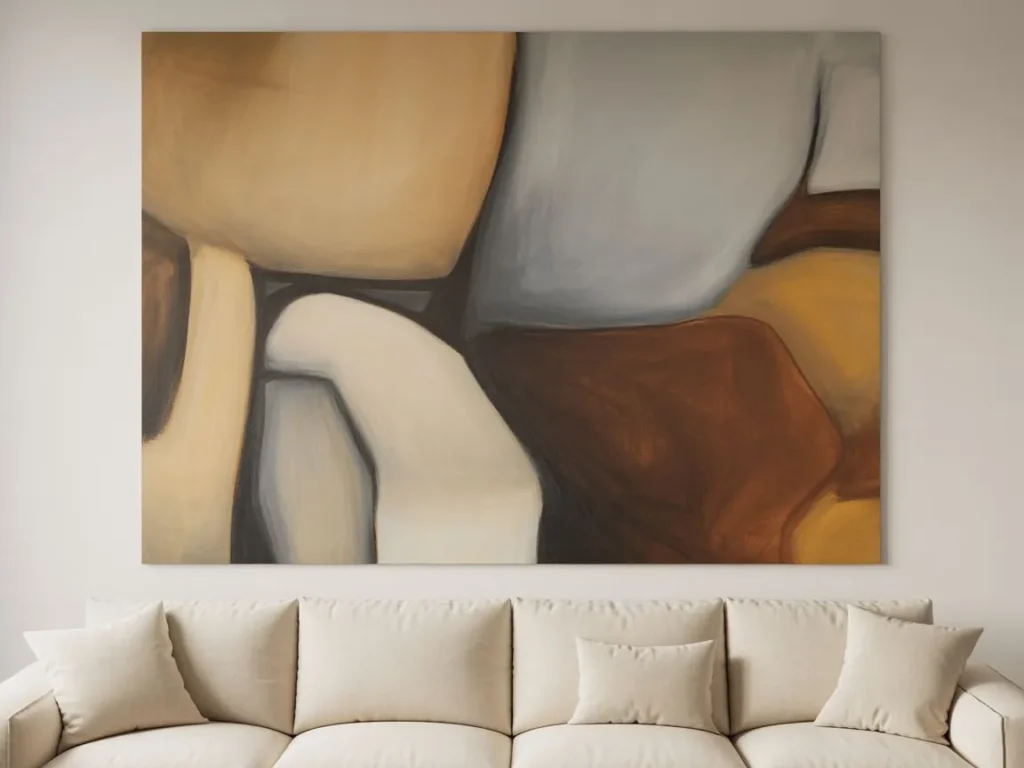
Abstract art invites personal interpretation, creating a deeper emotional connection to the space. Selecting tones that echo existing materials—warm beiges, soft grays, and earthy hues—ensures cohesion, and a single large piece often delivers stronger impact than multiple smaller works.
TIP #23: Integrate Smart Storage Solutions That Stay Hidden
Organic modern spaces stay calm and uncluttered through intentional storage that keeps everyday items out of sight while maintaining style. Built-in shelving with wooden doors, woven baskets, closed media consoles, and floating cabinets preserve visual simplicity while serving practical needs.
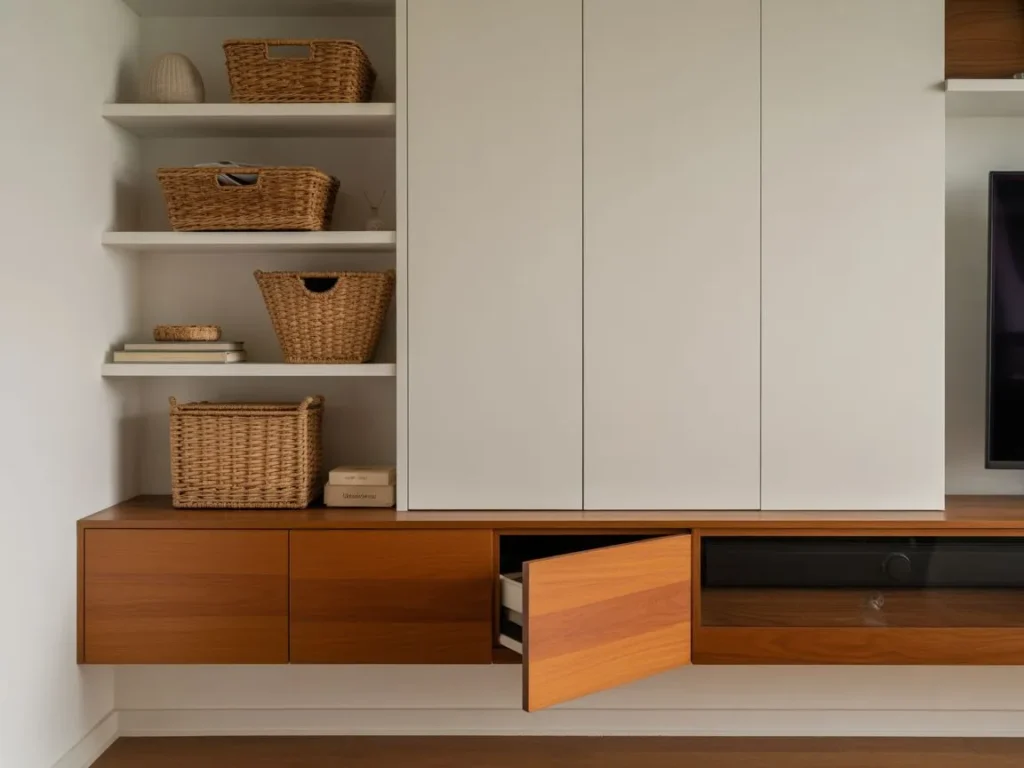
Hidden storage supports organization without sacrificing warmth or personality, allowing only meaningful pieces to remain visible. When crafted from natural materials, these solutions double as design features, combining functionality with the clean, peaceful aesthetic essential to organic modern interiors.
Conclusion
Organic modern design isn’t about perfection but about creating a space that feels warm, grounded, and truly livable. The most beautiful rooms are those that invite daily use—where textures are touched, plants are cared for, and natural imperfections reflect real life rather than staged perfection.
Focus on the elements that resonate with you most, such as reclaimed wood or lush greenery, and build your space around them with pieces that balance beauty and function. Ultimately, success isn’t measured by how the room photographs but by how it supports comfort, relaxation, and connection to nature and personal expression every day.