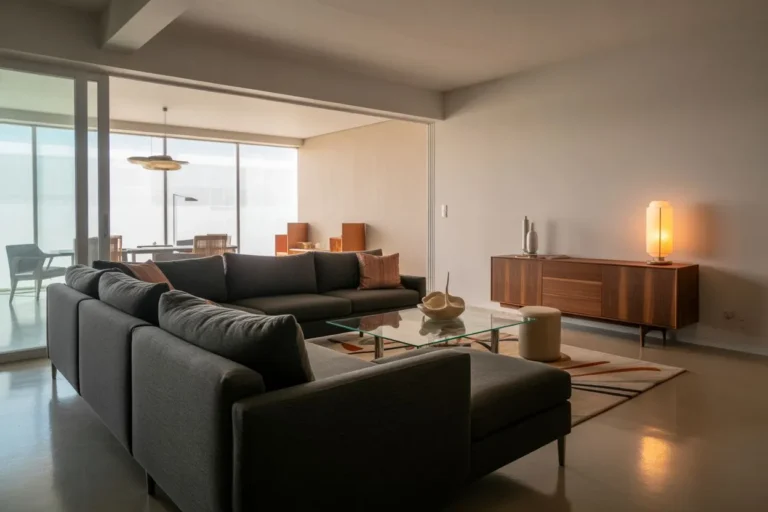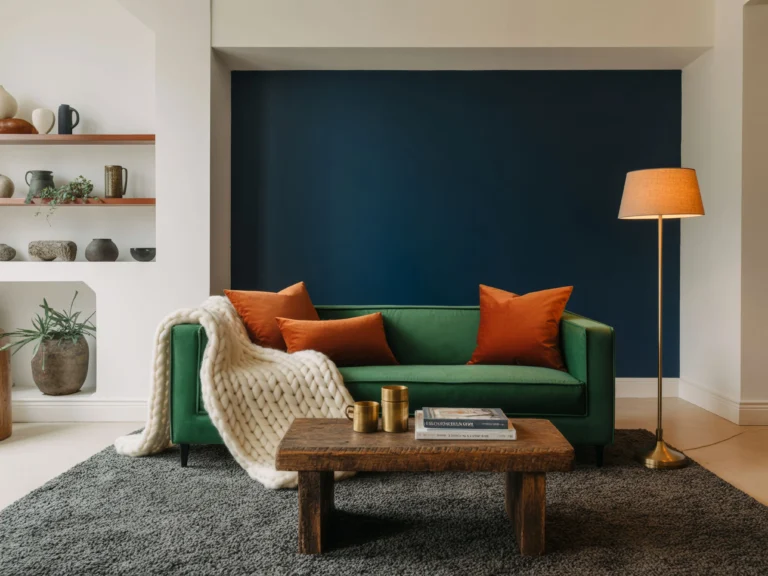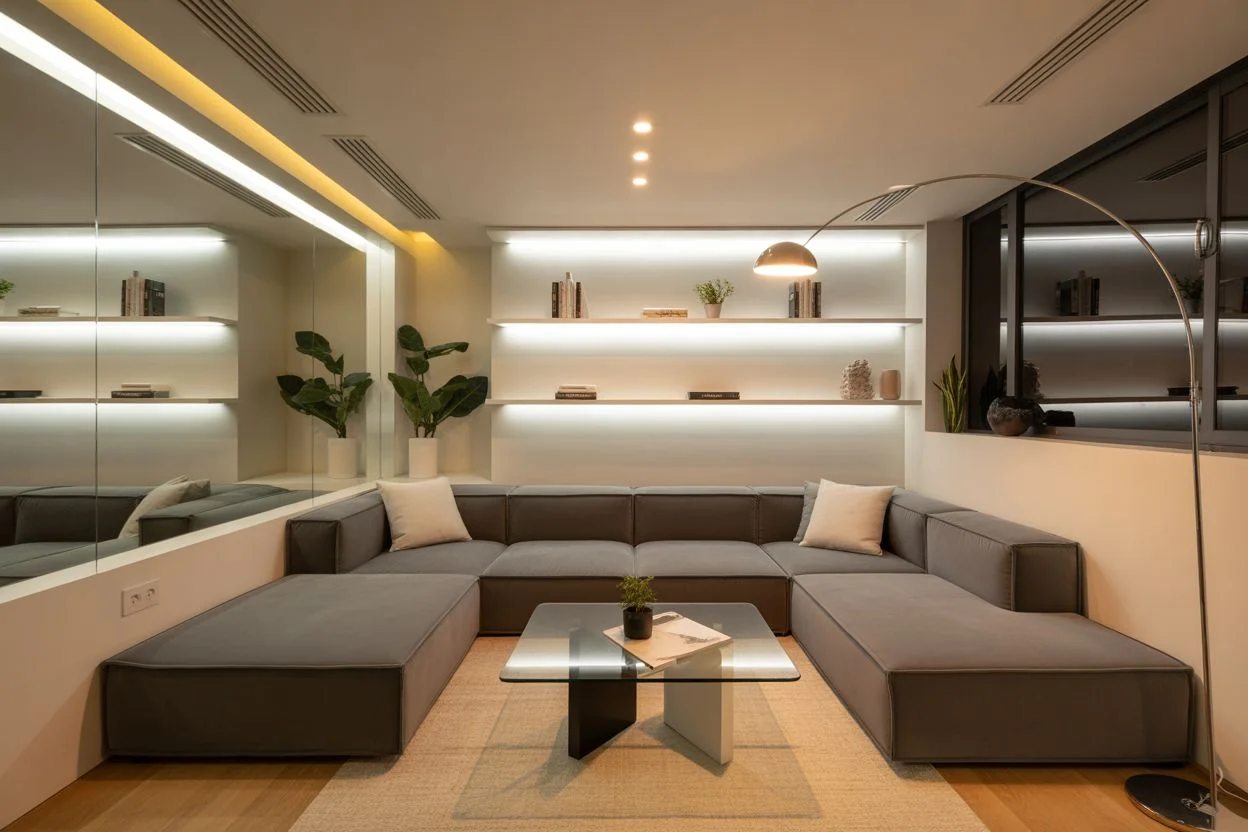
15 Contemporary Living Room Solutions for Small & Awkward Layouts
Your small living room isn’t a problem to solve. It’s a space waiting for the right ideas. Whether your room is oddly shaped, too narrow, or just plain tiny, these 15 solutions will help you make it work – beautifully, practically, and without breaking the bank.
1. Float Your Furniture Away From Walls
Floating furniture away from the walls actually makes a small living room feel larger. It creates visual breathing room and defines a clear conversation zone. Most people push furniture against walls thinking it saves space – but it makes rooms feel flat and empty in the center.
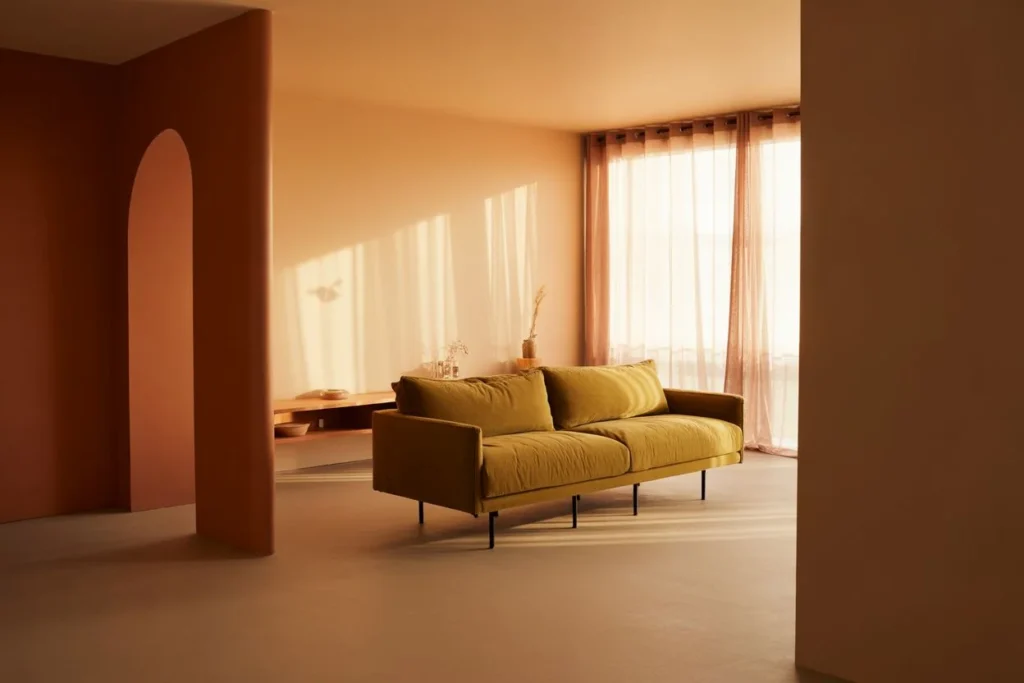
When you pull a sofa even 6 inches from the wall, the eye reads the space as intentional and larger. Add a slim console table behind the sofa to fill that gap stylishly. It works like a visual trick that fools the eye every single time.
🪴 Want to take the clean layout further? These minimalist living room ideas pair smart storage with intentional design to keep your space feeling open and calm:
➤ 21 Minimalist Living Room Ideas with Smart Storage Solutions2. Use a Sectional Sofa That Fits the Corner
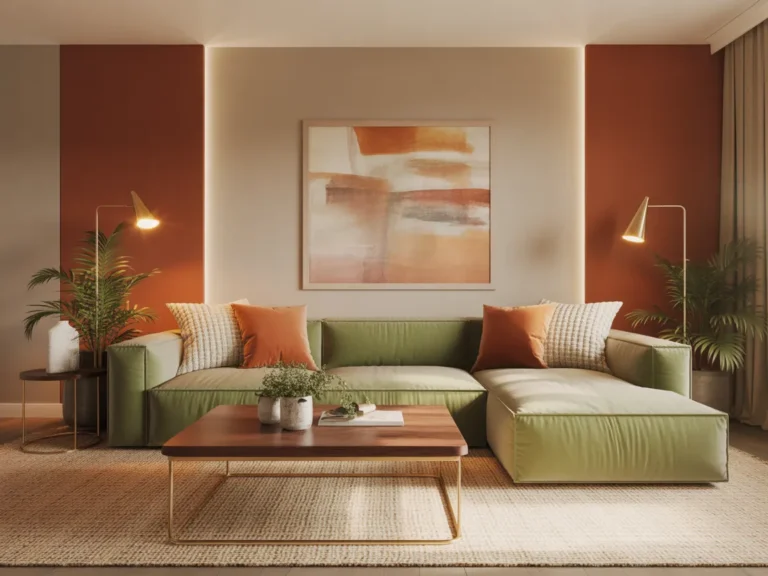
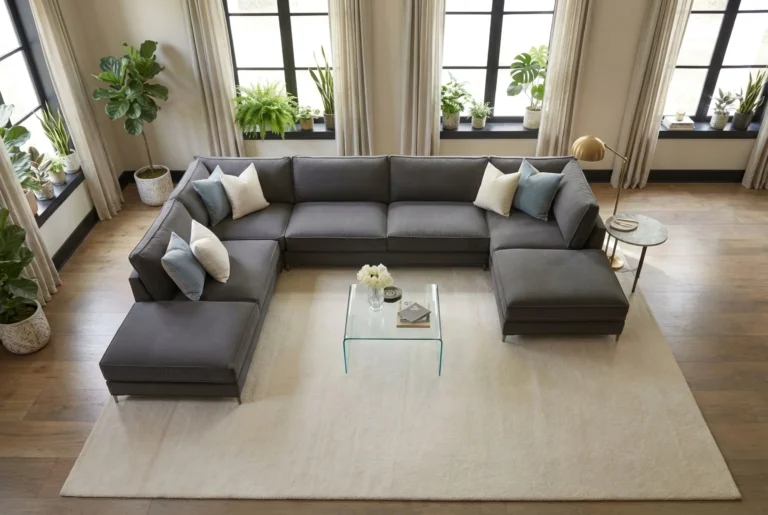
A corner sectional sofa is one of the smartest buys for an awkward living room layout. It hugs dead corner space that usually goes wasted, anchors the room instantly, and seats more people than a standard sofa and loveseat combo.
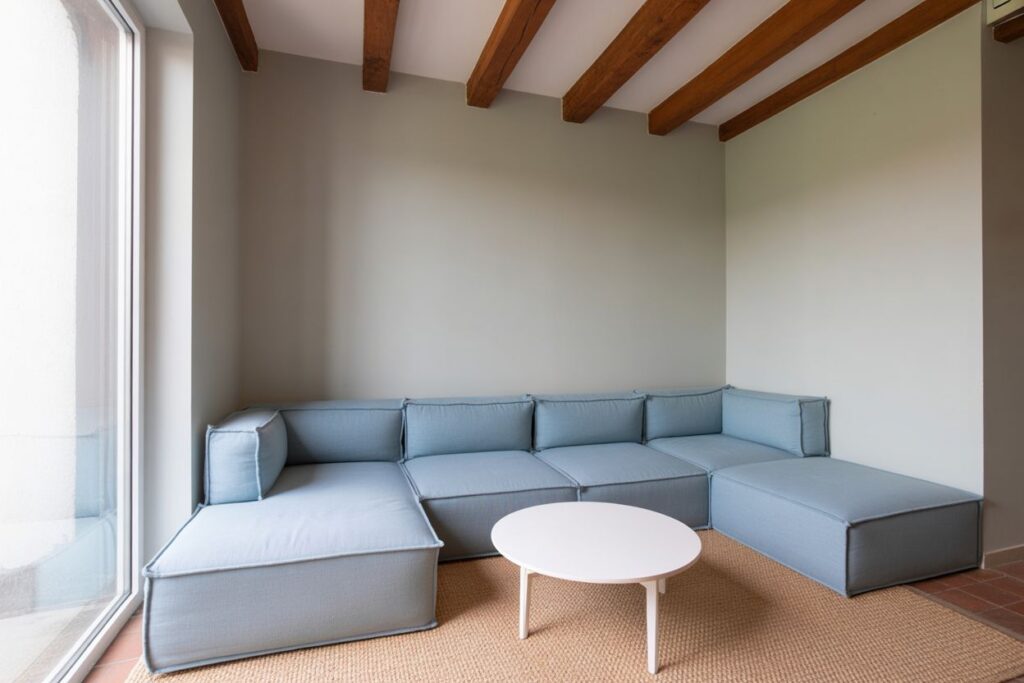
Choose a modular sectional so you can adjust the configuration as your needs change. Keep the legs visible (avoid skirted sofas) to make the floor appear larger. A sectional in a light or neutral tone will keep the room from feeling boxed in.
🛏️ Small space thinking doesn’t stop at the living room — bring these same smart storage strategies into your bedroom too:
➤ 12 Smart Storage Ideas for Small Bedrooms That Look Beautiful3. Mount Your TV on the Wall
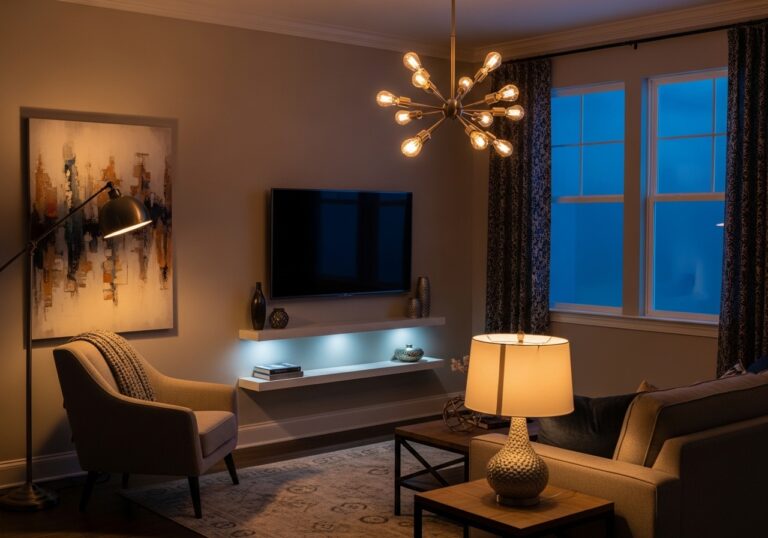
Wall-mounting a TV immediately frees up floor space and removes the need for a bulky TV stand. This one change can make a small living room feel 30% less crowded visually. It also draws the eye upward, making ceilings feel higher.
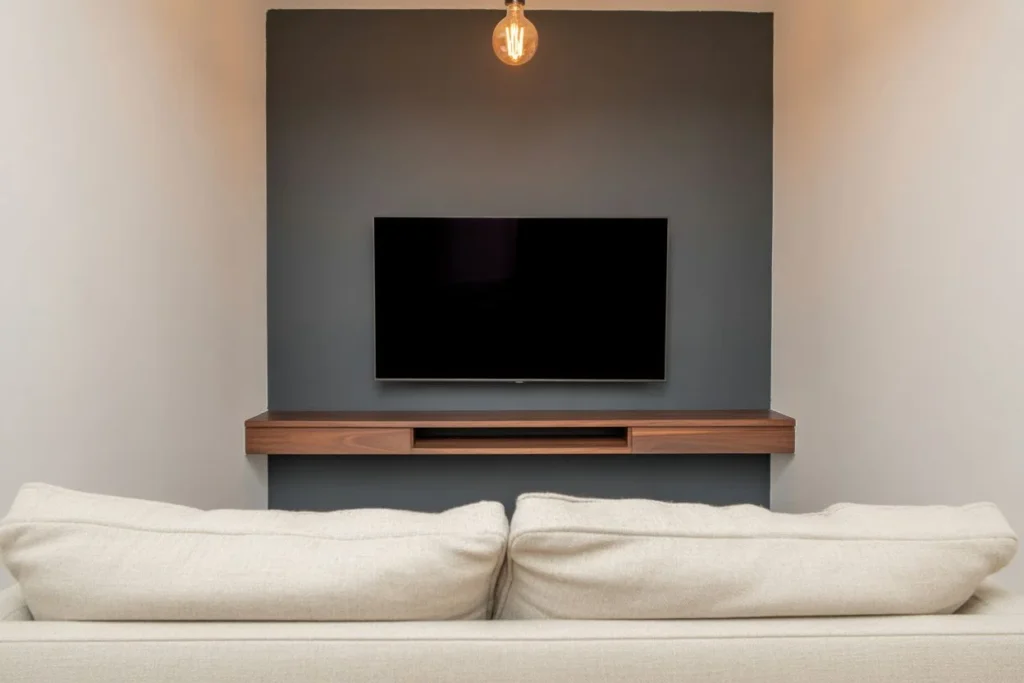
Run cables through the wall for a clean, built-in look. Pair the mounted TV with a slim floating media shelf below instead of a full entertainment unit. You keep the function, lose the bulk.
4. Pick a Round Coffee Table
A round coffee table removes sharp corners from a tight space, which improves traffic flow and makes the room safer and easier to move around in. It also softens the visual geometry of a boxy room. Round tables work especially well in narrow or L-shaped layouts.
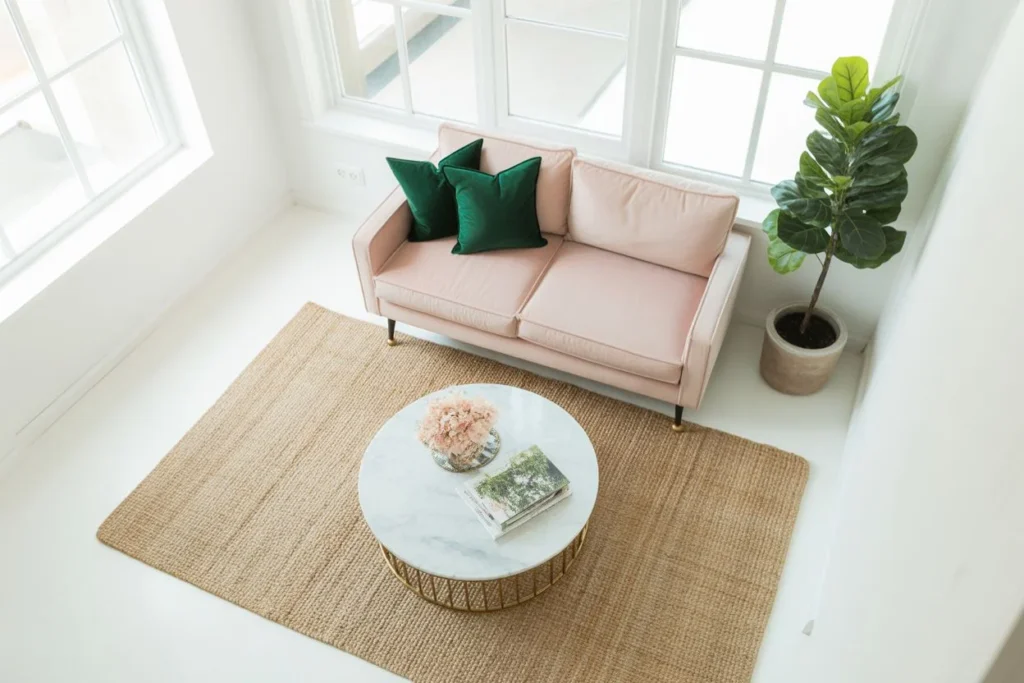
Go for one with an open base or slim legs to keep sightlines clear. A glass or acrylic top takes up visual space without physical weight. Even a small round table on a large rug can anchor an entire seating area.
5. Add Mirrors to Double Visual Space
Mirrors are the oldest trick in small-room design – and they still work better than almost anything else. A large mirror on one wall reflects light and makes the room look twice its actual size. It’s physics, not magic.
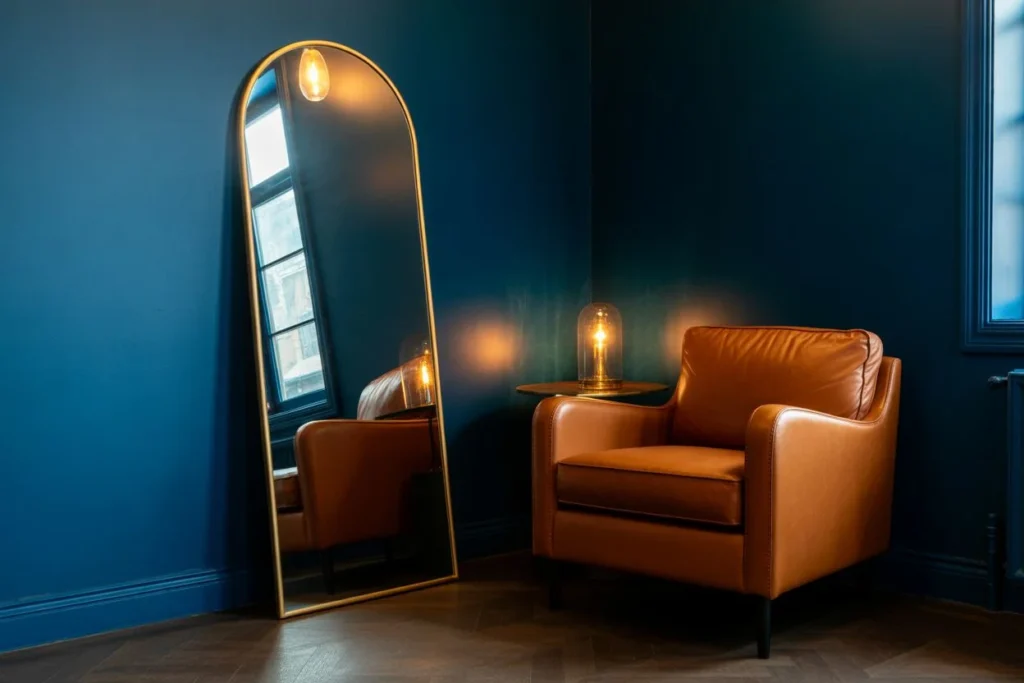
Place a floor-to-ceiling mirror opposite a window for maximum effect. Leaner mirrors work well behind sofas or along narrow walls. Even a gallery of smaller mirrors creates depth without the cost of one large piece.
6. Use Vertical Space With Tall Shelving
When floor space runs out, go up. Tall shelving units that reach toward the ceiling add massive storage without eating into your living area. They also draw the eye upward, which makes any room feel taller.
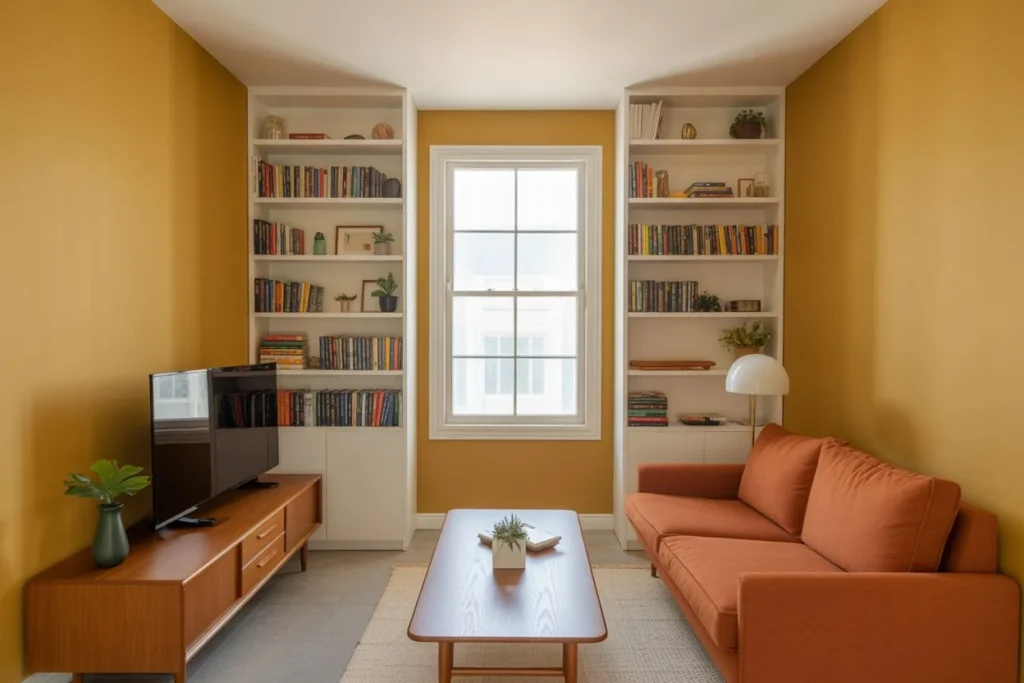
Style shelves with a mix of books, baskets, and a few decorative objects – not just stuff. Keep the top third lighter and more sparse to avoid a top-heavy look. IKEA’s Billy or the KALLAX series are popular, affordable options that fit most layouts.
7. Choose Multi-Functional Furniture
Multi-functional furniture does two or three jobs at once, which is exactly what a small room needs. An ottoman that opens for storage, a sofa bed for guests, or a coffee table that lifts to desk height – these pieces earn their keep every day.
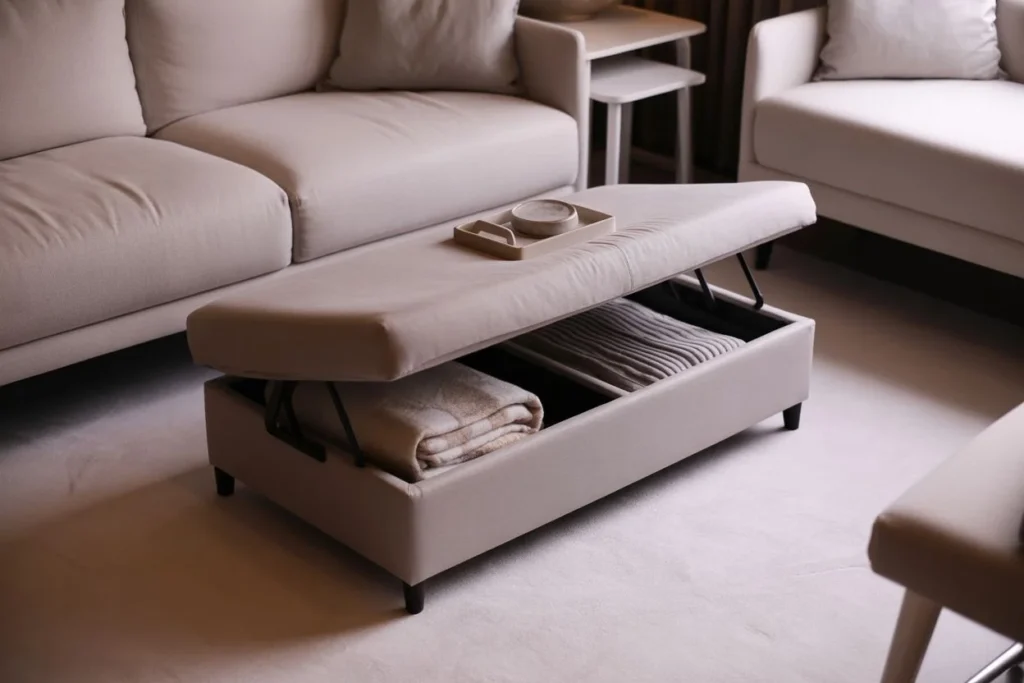
Don’t buy anything that only does one thing in a room under 200 sq ft. Look for nesting tables, storage benches, and lift-top coffee tables. Every piece should either store something, convert to something else, or do both.
8. Try a Loveseat Instead of a Full Sofa
A loveseat fits where a standard sofa simply won’t. In rooms under 150 sq ft, swapping a 3-seater for a loveseat can free up 2 to 4 feet of valuable floor space. That difference changes how the whole room feels to move through.
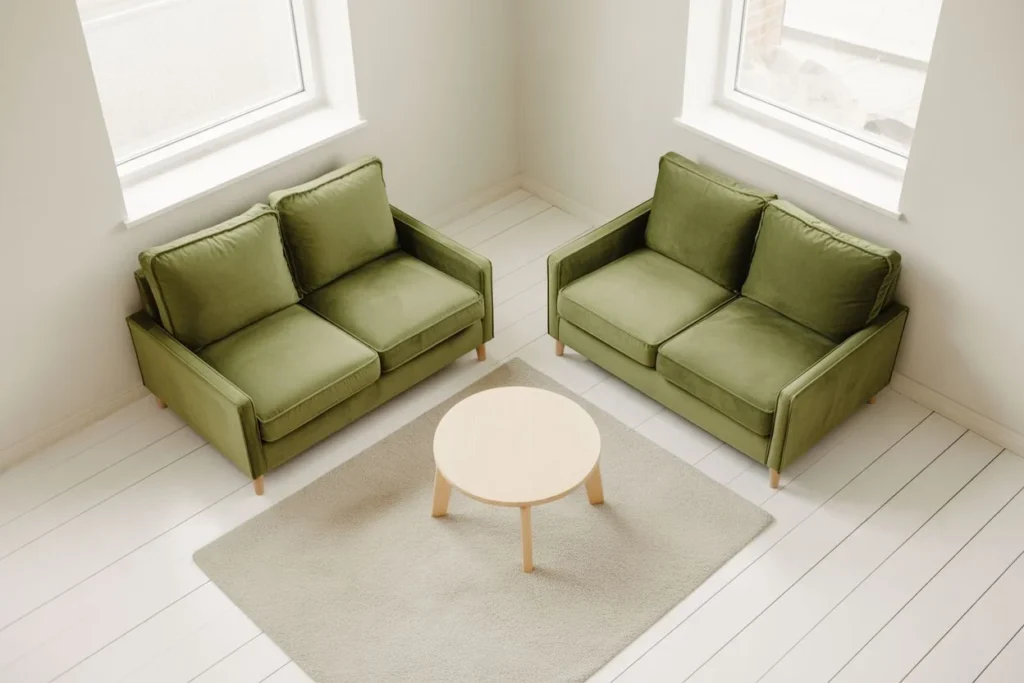
Pair two loveseats facing each other instead of a sofa-and-loveseat combo. This creates a balanced, symmetrical layout that works in narrow or square rooms. It also makes the space feel intentional rather than squeezed.
9. Define Zones With an Area Rug
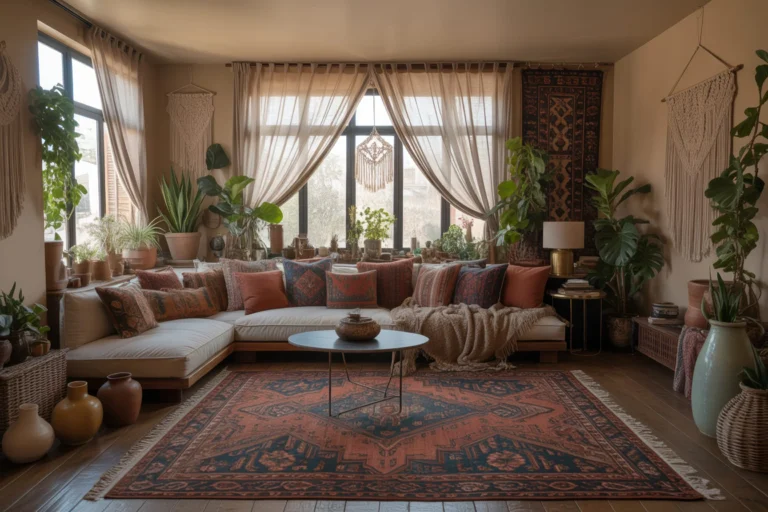
An area rug tells the eye where the living room starts and ends – even in an open-plan space. It’s one of the cheapest ways to make a small or awkward room feel defined and intentional. The right rug size matters more than most people realize.
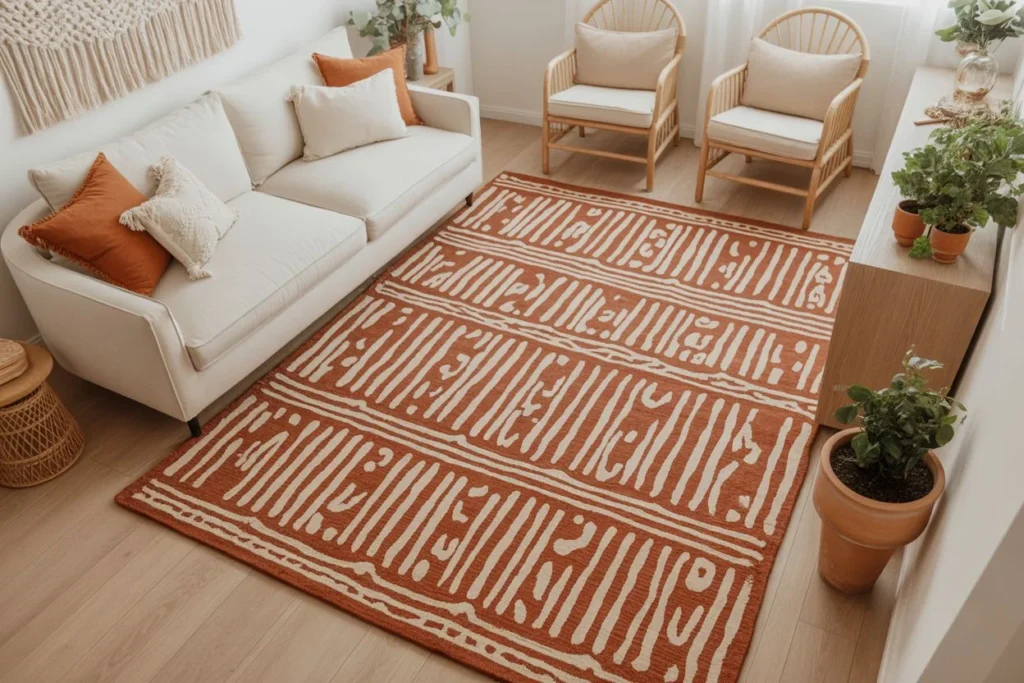
Go bigger than you think you need. A rug that only sits under the coffee table feels disconnected. Front legs of all seating pieces should sit on the rug – that’s the rule that ties everything together.
10. Go Light on Window Treatments
Heavy drapes swallow light and make small rooms feel like a cave. Sheer curtains or roller blinds keep windows looking open and airy without sacrificing privacy. Light control matters more than decoration in a small room.
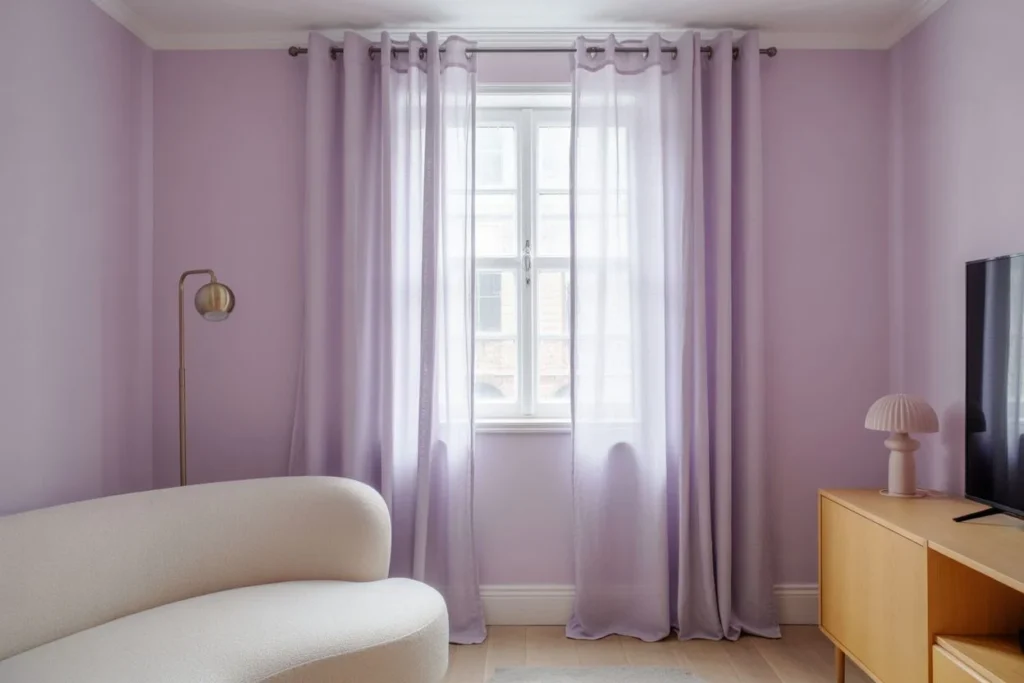
Hang curtain rods as close to the ceiling as possible – even if the window is small. This tricks the eye into reading the window as taller than it is. Use white or off-white sheers to bounce the most light around the room.
11. Use a Glass or Lucite Coffee Table
A transparent coffee table takes up zero visual weight in a small room. It functions exactly like a solid table but disappears into the space around it. This one swap can make a packed living room feel noticeably lighter.
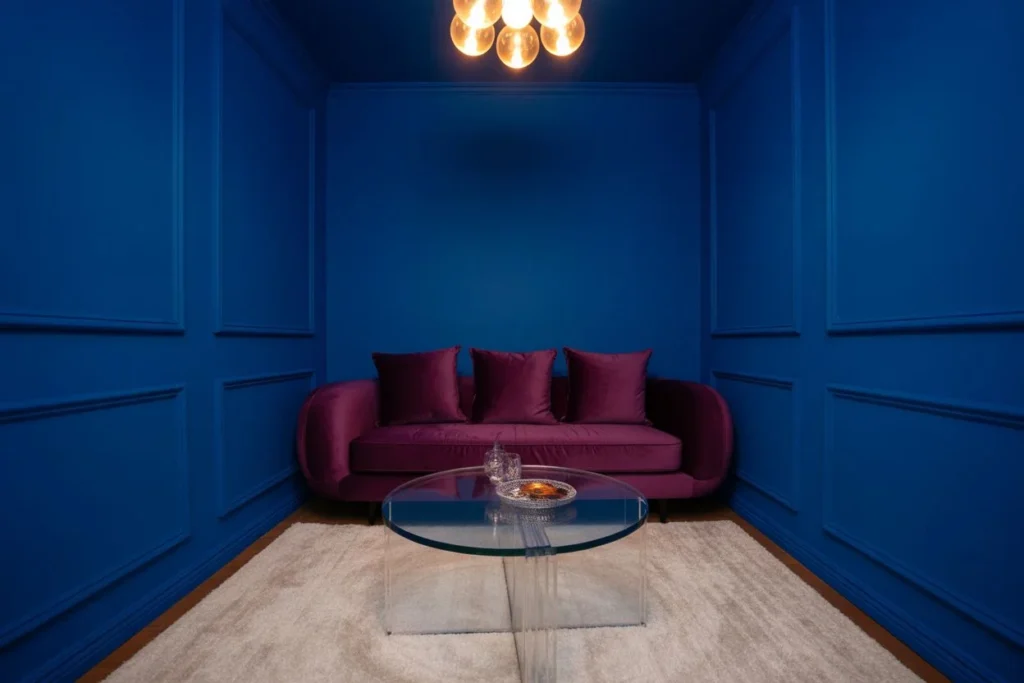
Acrylic (Lucite) options are more affordable than glass and less likely to chip or crack. Pair with a plush rug underneath to add warmth that the table itself won’t provide. Round or oval transparent tables work best in tight layouts.
12. Paint Walls and Ceiling the Same Color
Painting walls and ceiling the same color removes the hard line where the room ends – making it feel taller and more expansive. This technique is called “color drenching” and it’s having a major moment in interior design right now. It works in both light and dark shades.
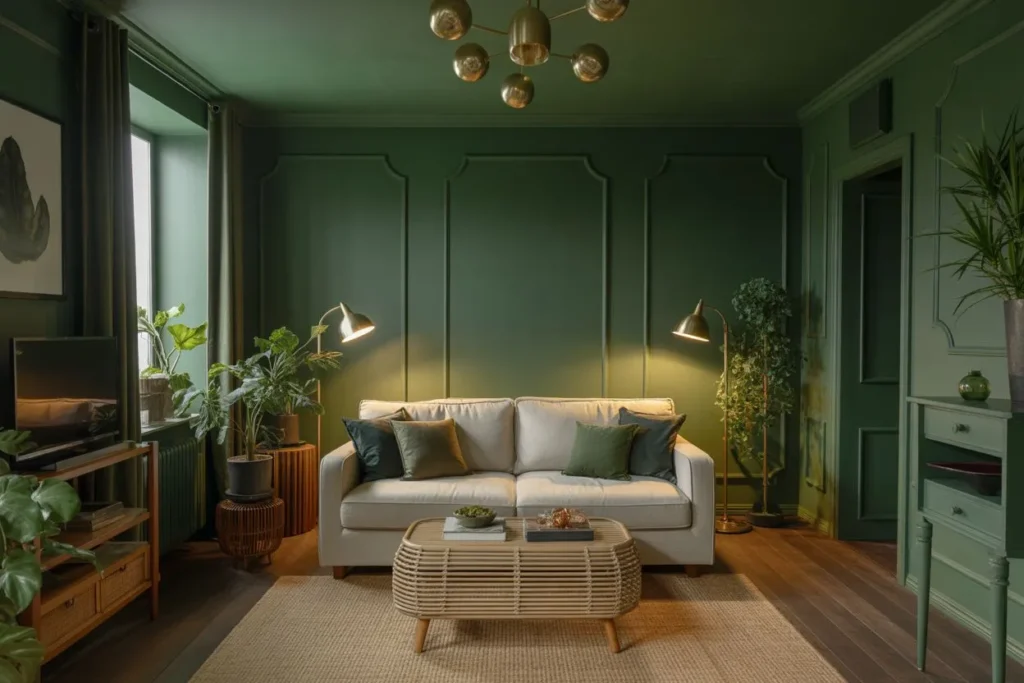
Don’t fear dark colors in small rooms. A deep green or warm charcoal painted floor-to-ceiling actually makes a room feel like it extends further. Light colors work too – the key is removing that ceiling contrast line.
13. Create a Focal Point to Anchor the Room
Every small room needs one clear focal point – a fireplace, a gallery wall, a bold sofa, or a statement light fixture. Without one, the eye wanders and the room feels chaotic. With one, everything else falls into place around it.
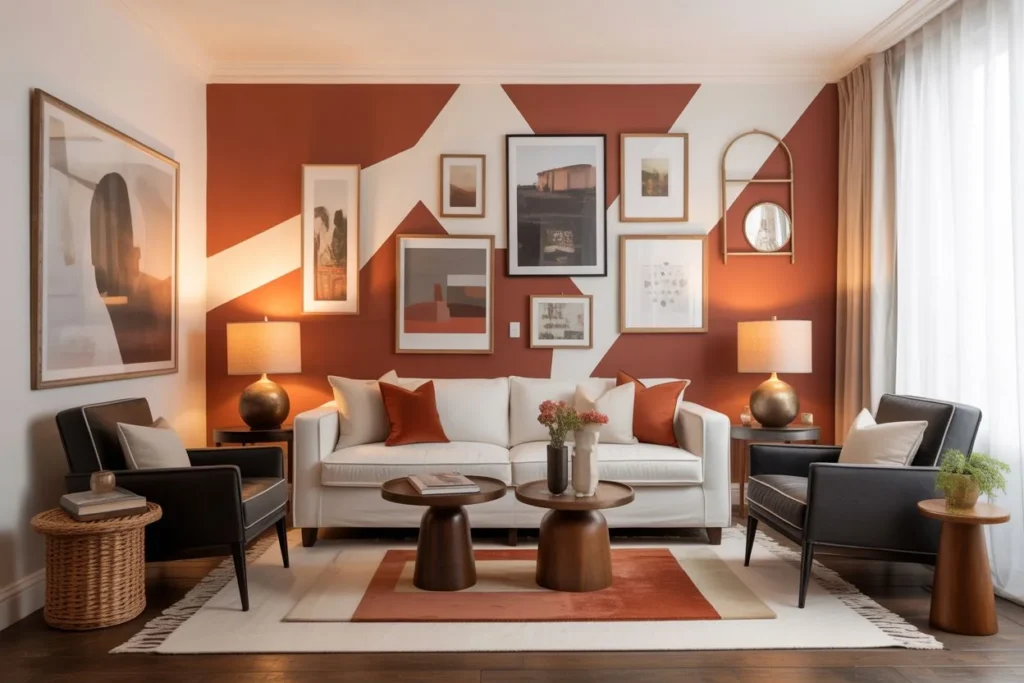
Pick your focal point first, then arrange the rest of the room to face or support it. Don’t create competing focal points – one strong anchor beats three weak ones every time. In awkward layouts, a focal point also pulls attention away from the room’s flaws.
14. Tuck Furniture Into Architectural Awkwardness
Odd alcoves, slanted ceilings, and weird corners are assets in disguise. A built-in reading nook in an alcove, a desk tucked under a slanted wall, or shelving fitted into an irregular corner turns wasted space into the room’s best feature.
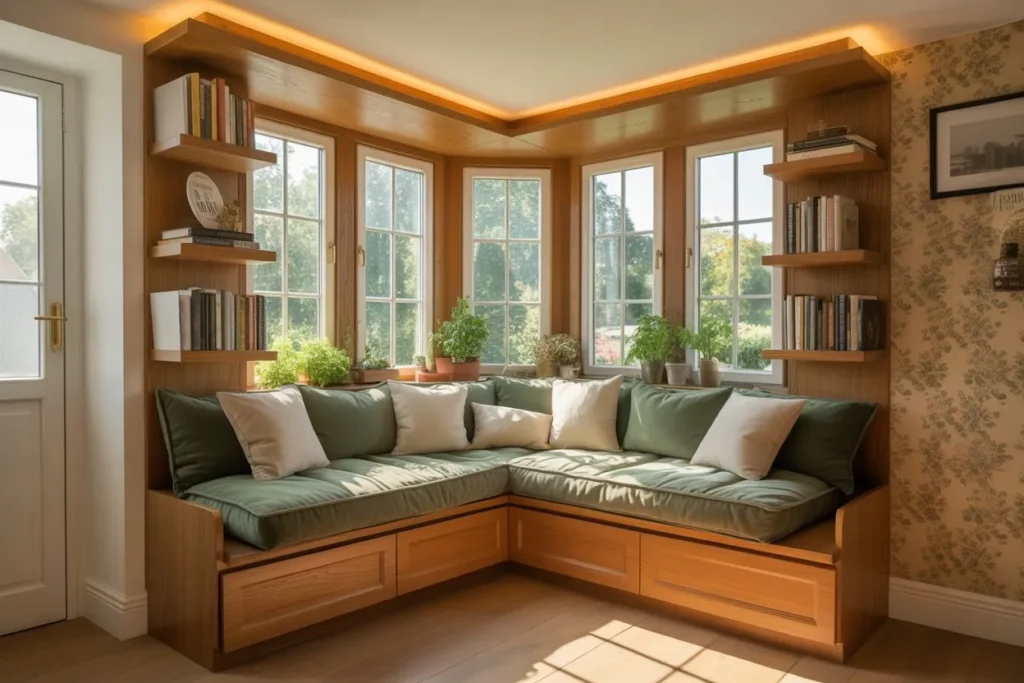
Measure the awkward spot and search for furniture that fits it rather than fighting against it. Custom built-ins look expensive but basic IKEA hacks can replicate the look at a fraction of the cost. Working with the room’s quirks always looks more intentional than ignoring them.
15. Edit Ruthlessly – Less Is More in Small Rooms
The fastest way to make a small living room feel bigger is to remove things, not add them. Clutter shrinks space faster than dark paint or low ceilings ever could. Every object in a small room should earn its place.
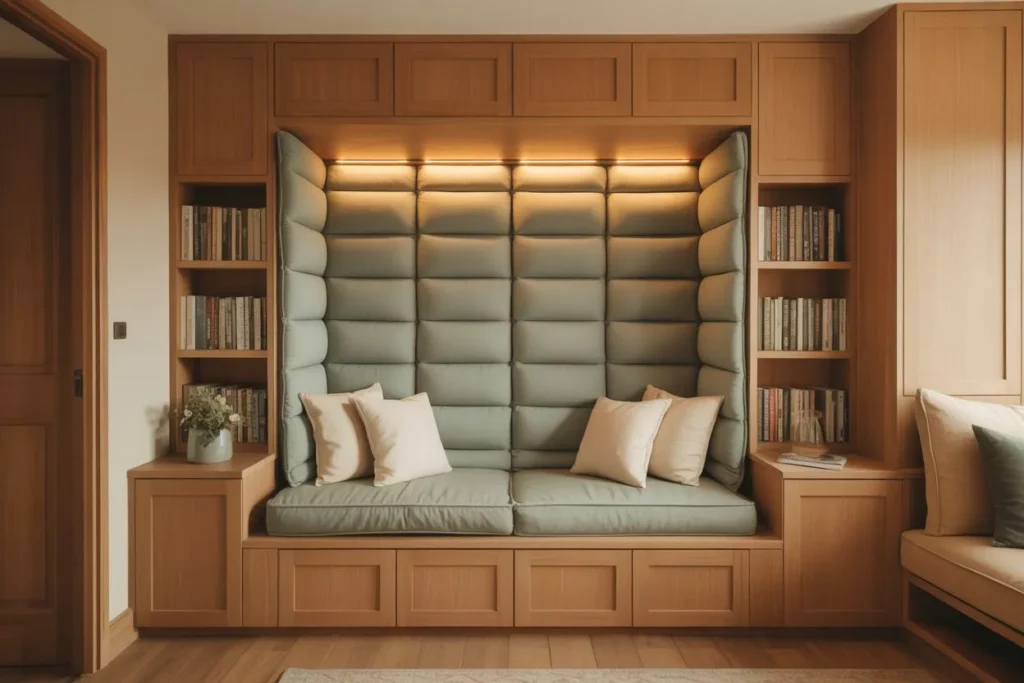
Do a hard edit: if it doesn’t serve a function or bring you real satisfaction, it goes. Aim for negative space – areas of the floor, wall, or shelf that are intentionally empty. That emptiness isn’t wasted space. It’s breathing room, and it makes everything else look better.
Final Thought
Small living rooms reward good decisions. One strong layout choice does more than a dozen accessories ever could. Start with the ideas that match your biggest frustration in the room right now – and build from there.