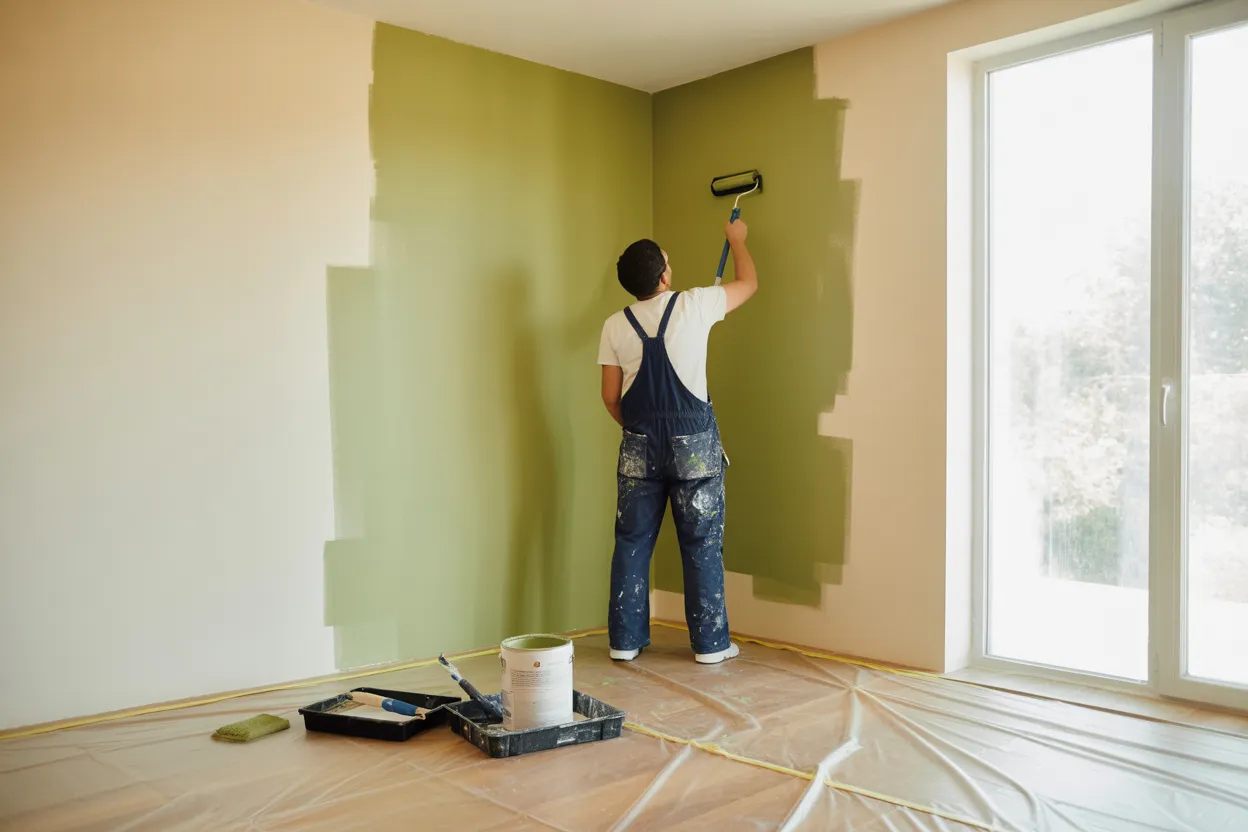
How Much Does It Cost to Paint a Room? Every Factor Explained
1. Room Size Impacts Cost
The size of your room is the first thing that affects painting costs. A small bedroom may cost around $200–$400, while a larger living room or master bedroom can easily reach $500–$1,000. The more square footage, the more paint and labor you’ll need.
2. Quality of Paint Matters
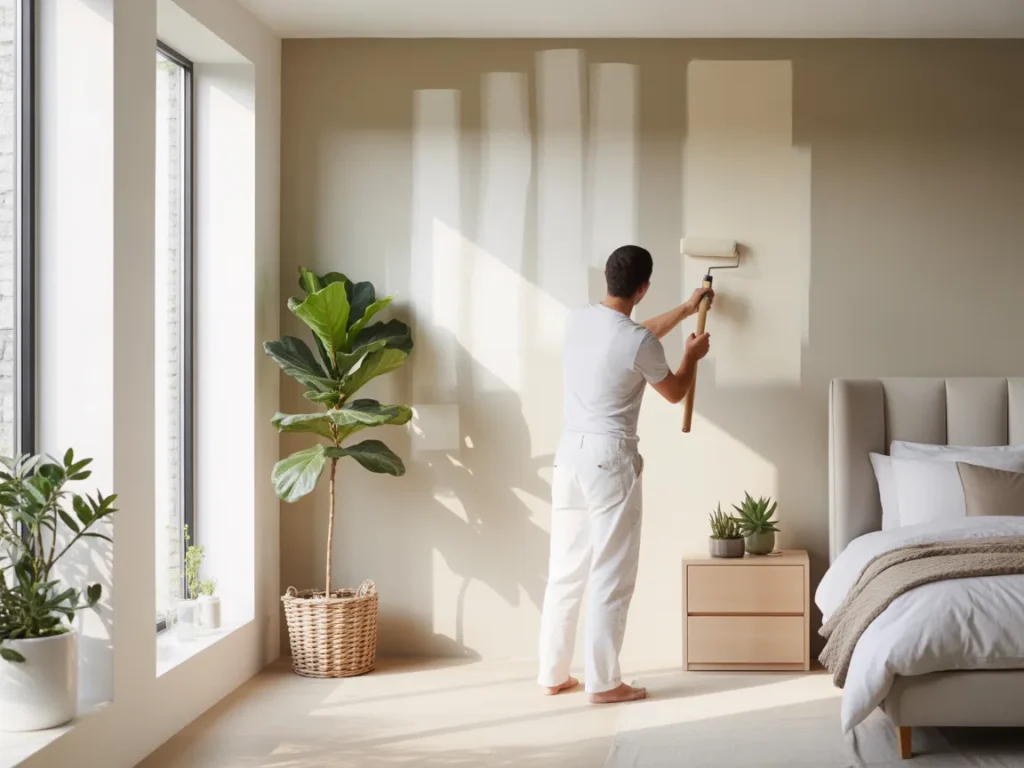
Premium paints with better coverage and durability cost more but reduce long-term maintenance.
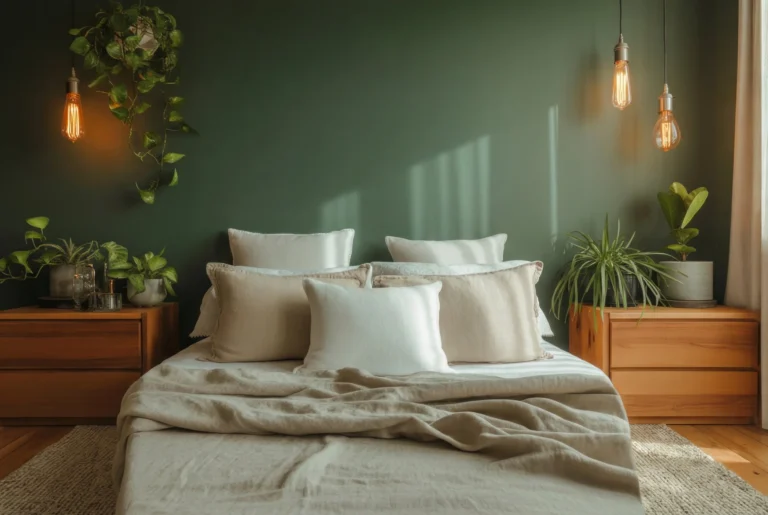
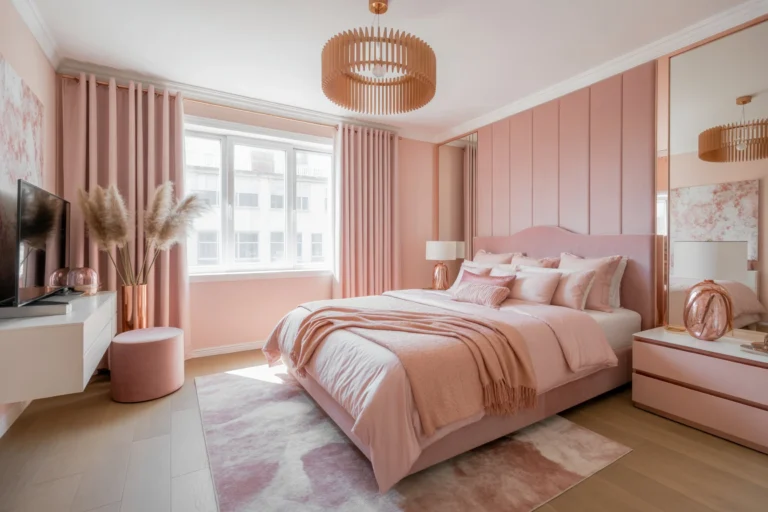
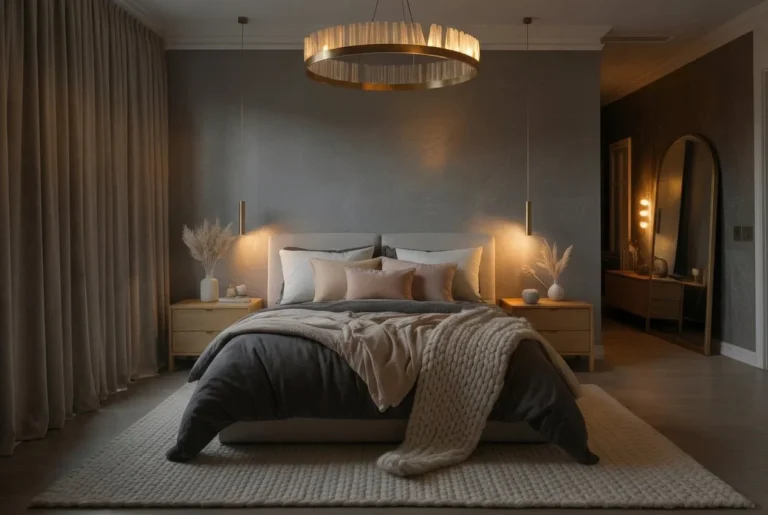
🎨 Before you spend a cent on paint or labor — make sure you’re choosing the right color. This guide explains exactly how to pick a color scheme that works with your light, furniture, and mood every single day:
➤ How to Choose the Perfect Color Scheme for Your BedroomStandard paints are cheaper but may require multiple coats, which can increase labor costs. Choosing the right paint balances your budget and desired finish.

3. Labor Costs Can Vary
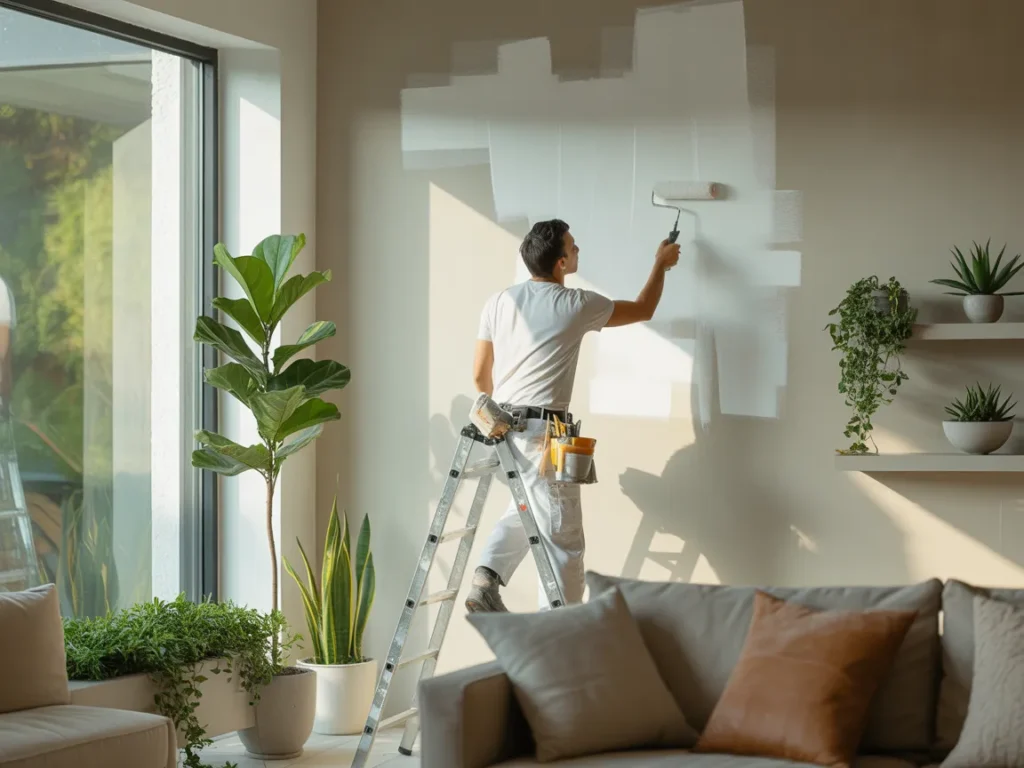
Hiring professional painters will raise costs, but it guarantees a smooth, long-lasting finish. Labor rates depend on location, experience, and project complexity. DIY painting is cheaper but may take more time and effort, especially for large rooms.
4. Wall Preparation Adds Expense
If walls need patching, sanding, or priming, the cost rises. Prepping surfaces ensures paint adheres properly and prevents uneven finishes. Neglecting preparation can result in peeling or blotchy paint over time.
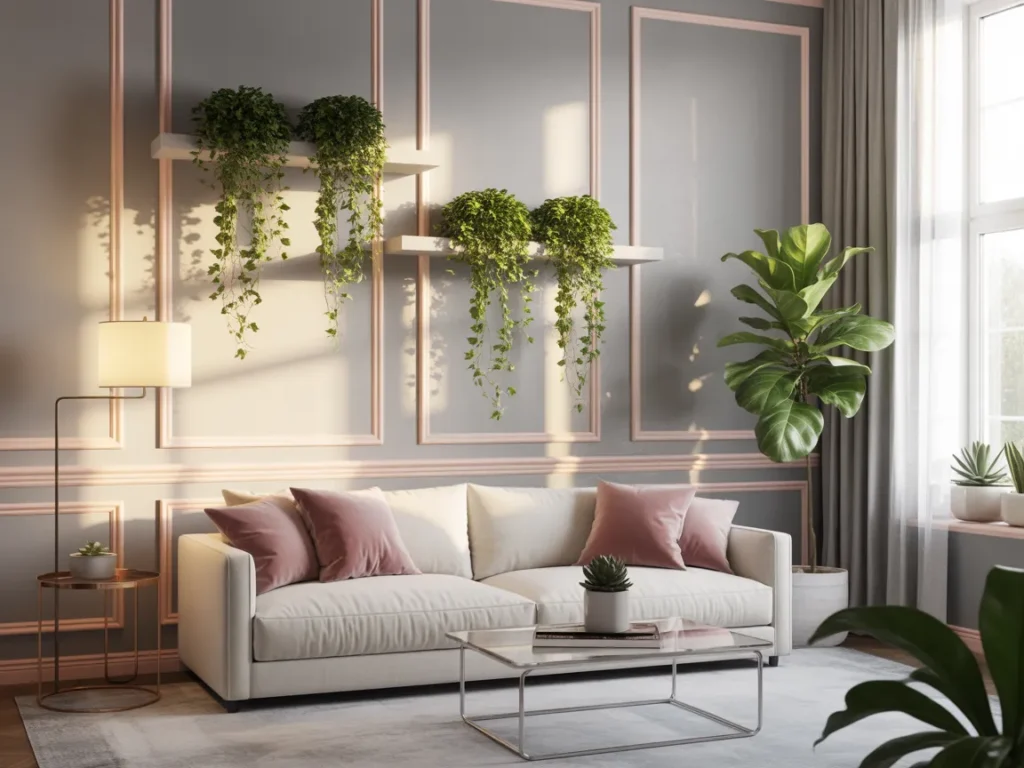
🖌️ Thinking about an accent wall? It’s one of the most cost-effective ways to transform a room with paint — see 10 stunning accent wall design ideas that add instant drama and personality to any living room:
➤ 10 Accent Wall Design Ideas For Living Room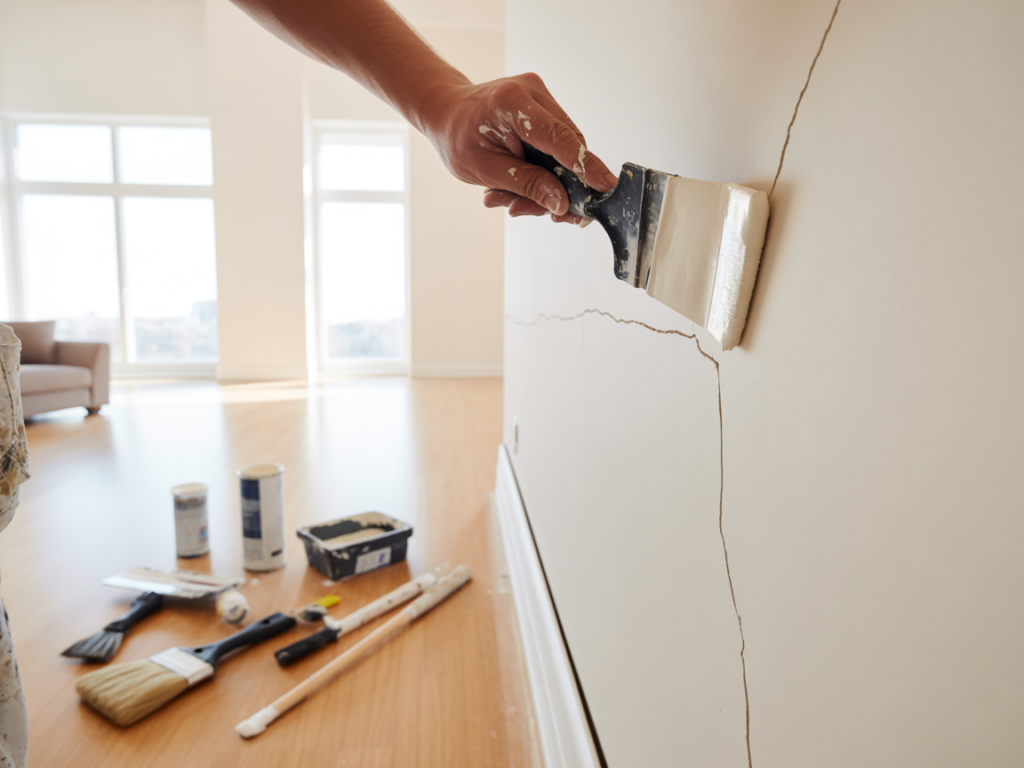
5. Trim, Ceilings, and Accents
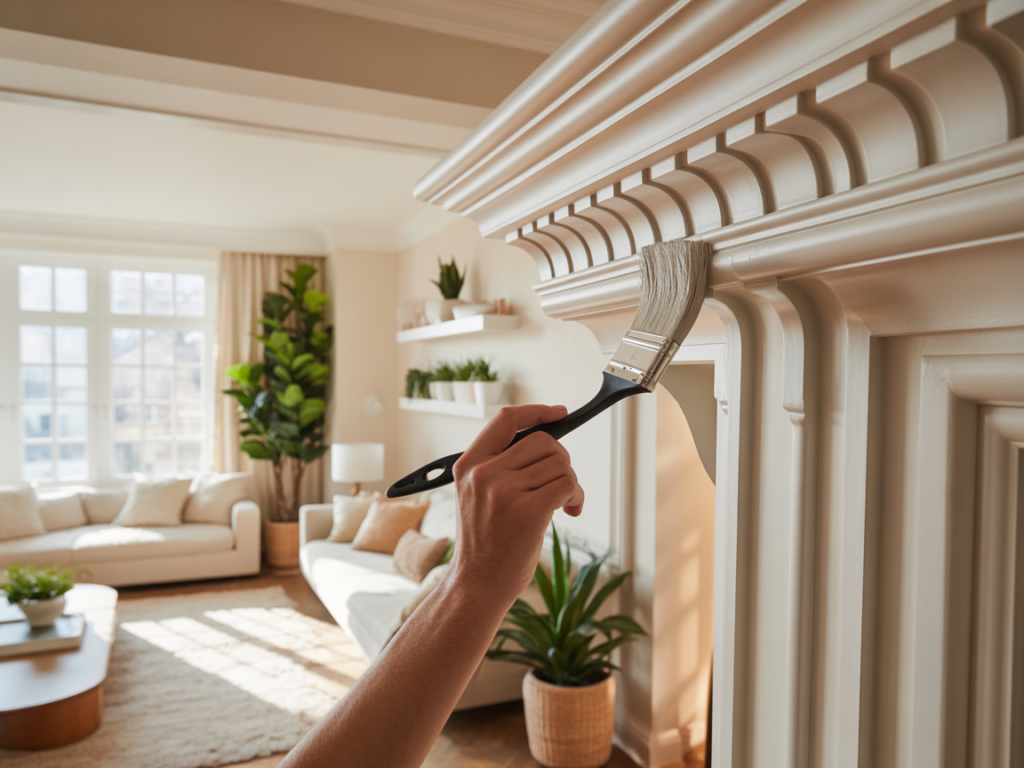
Painting baseboards, crown molding, or accent walls adds extra labor and materials. These details can enhance room aesthetics but increase costs. Consider if these elements are worth the investment for your budget.
6. Additional Factors: Windows, Doors, & Fixtures
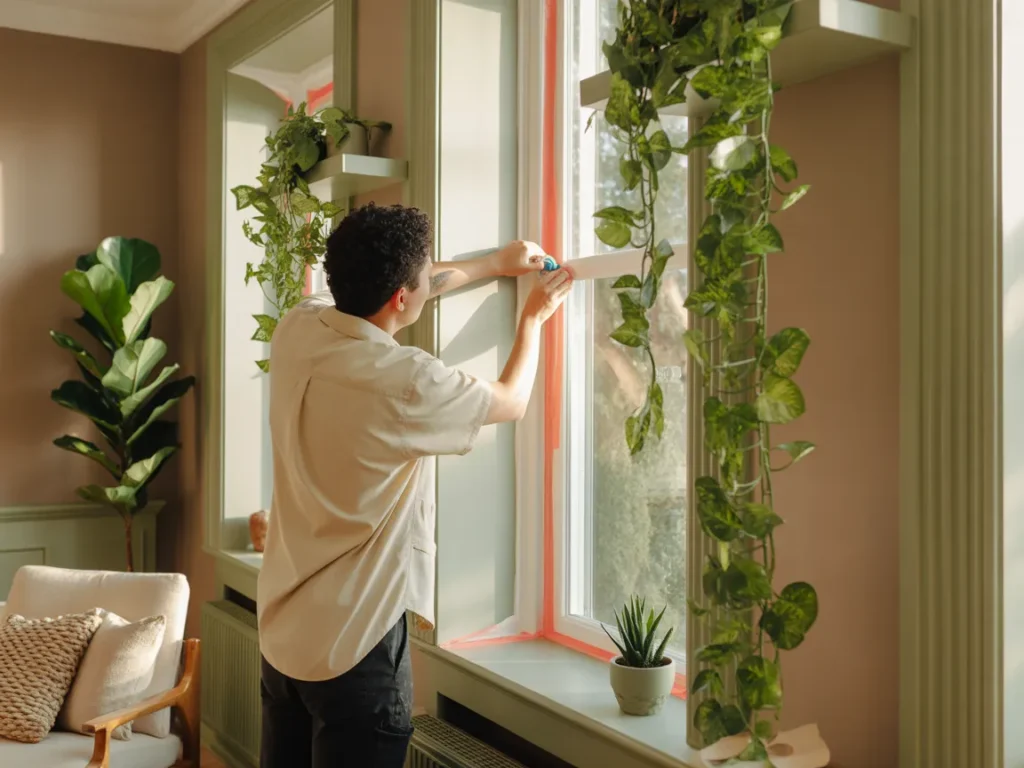
Doors, windows, and light fixtures can increase labor if they need masking or careful trimming. Rooms with multiple features take longer to paint and require extra precision. Accounting for these details ensures a polished, professional look.
7. Final Thoughts on Budgeting
To estimate painting costs accurately, consider room size, paint quality, labor, prep, and details like trim and fixtures. A well-planned budget prevents unexpected expenses and ensures a flawless finish. Painting a room is an investment in your home’s beauty and value.