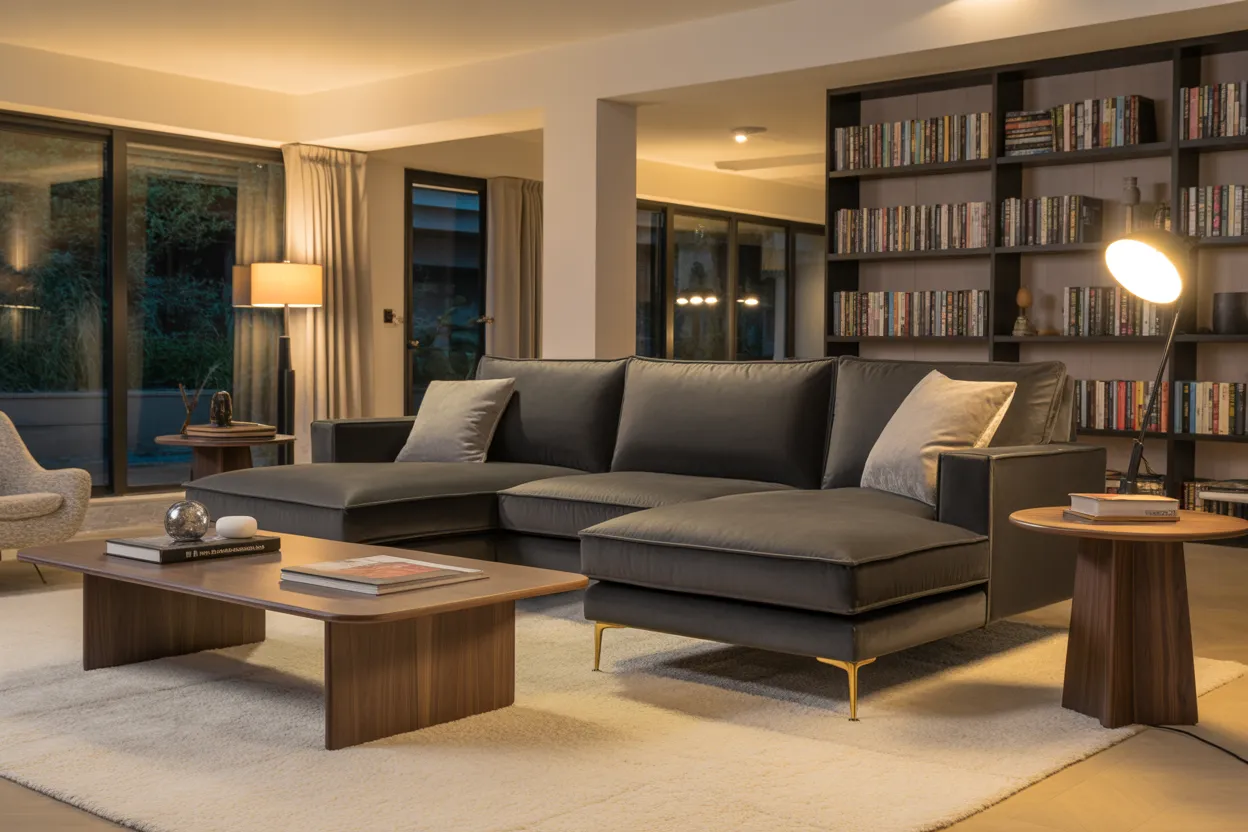
How to Arrange Furniture in a Small Living Room
Arranging furniture in a small living room can feel challenging, but the right layout can completely transform how the space looks and functions. A smart arrangement improves flow, maximizes seating, and makes even tiny rooms feel more open and comfortable.
Interior designers often recommend prioritizing clear walking paths, multi-functional furniture, and balanced layouts to avoid a cramped appearance.
These small living room furniture arrangement ideas will help you create a stylish and functional layout.
1. Float the Furniture Away From the Walls
Pushing every piece against the wall can actually make a room feel smaller. Instead, try floating the sofa slightly inward to create better balance and depth.
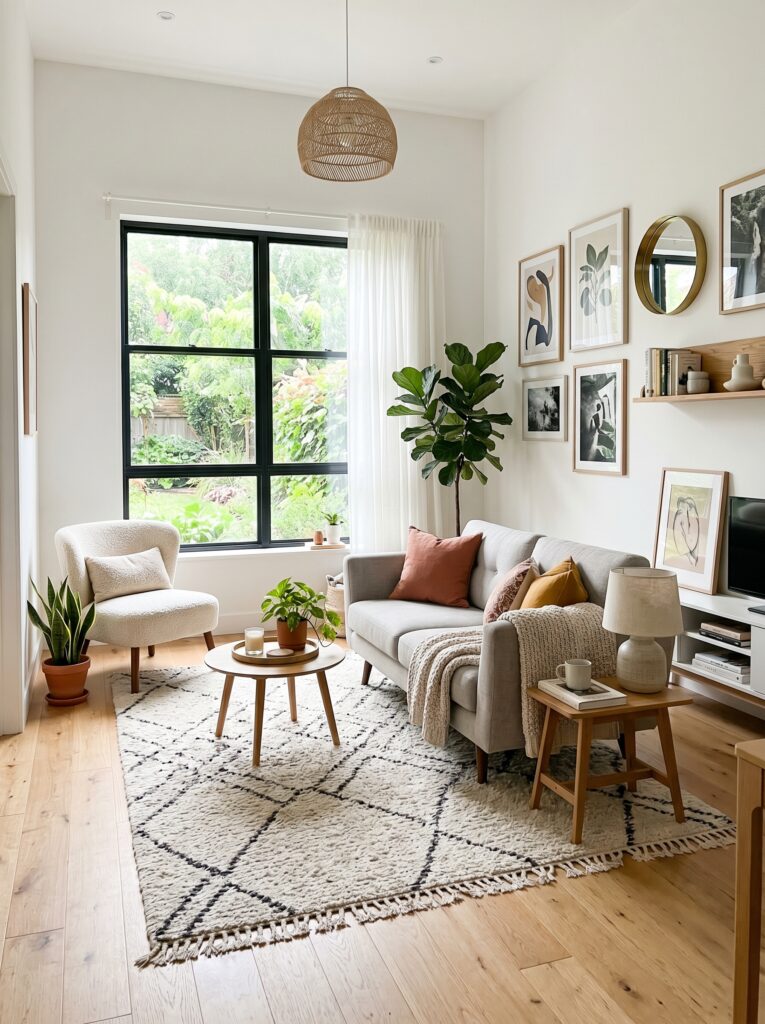
Even a few inches of space behind furniture can improve the layout visually.
🛋️ Layout sorted — now style the whole small living room beautifully. These 20 ideas use color, lighting, mirrors, and clever decor to make any tiny apartment living room feel open, warm, and genuinely inviting:
➤ 20 Small Living Room Ideas for Apartments & Tiny Homes2. Use a Small-Scale Sofa
Oversized furniture overwhelms compact spaces. Choose apartment-size sofas or slim-profile seating with exposed legs to create a lighter look.
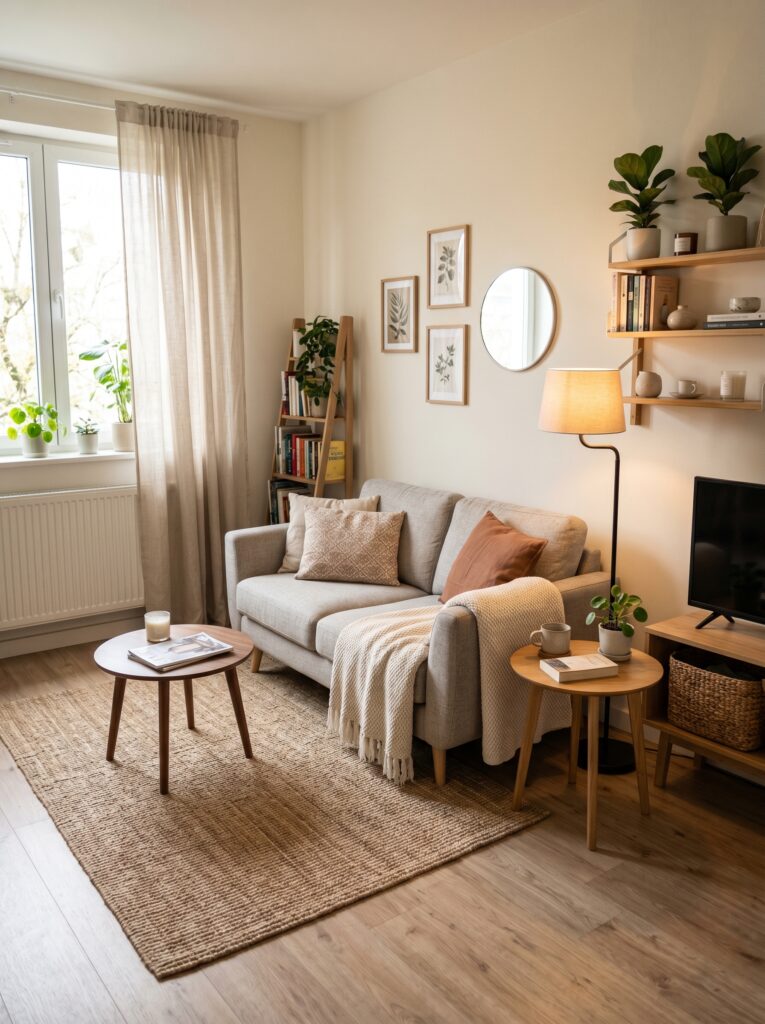
Smaller furniture improves movement and openness.
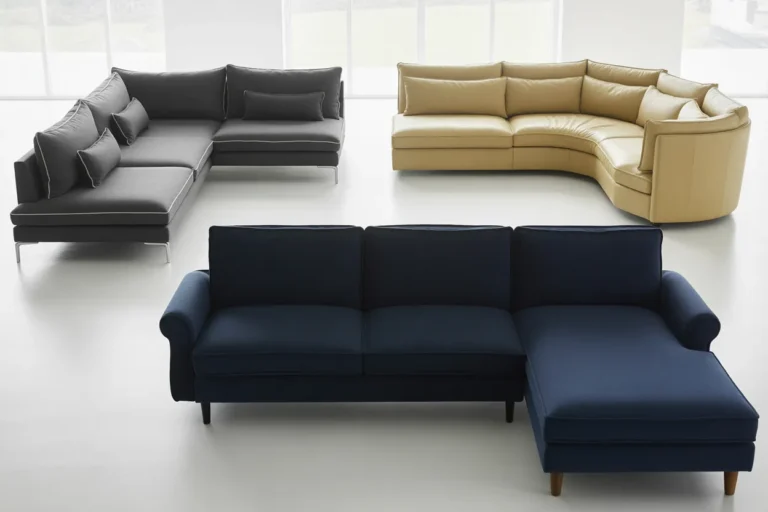
📐 Considering a sectional for your small room? See all 15 sectional sofa styles explained — from L-shaped to U-shaped to modular — so you can choose exactly the right size, shape, and configuration for your space:
➤ 15 Sectional Sofa Styles Explained — and How to Choose the Right One3. Choose Multi-Functional Furniture
Use ottomans with storage, nesting tables, or console tables that serve multiple purposes.
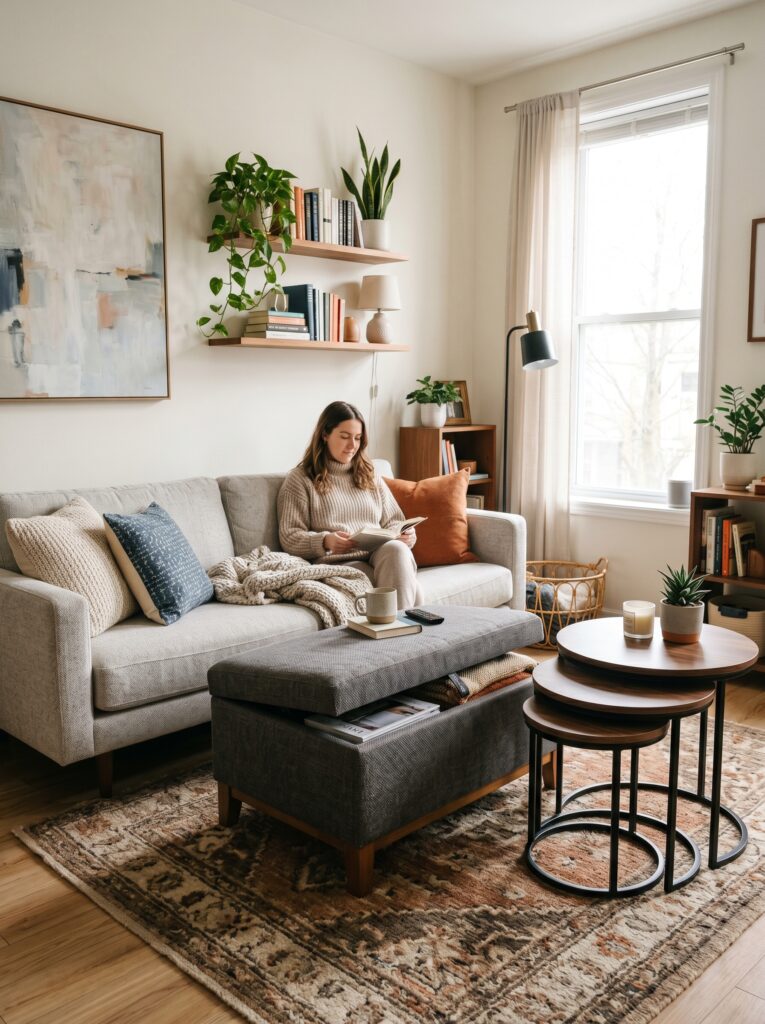
Designers frequently recommend multifunctional furniture for maximizing small-space efficiency. (bhg.com)
4. Keep Walkways Clear
Leave enough room for easy movement throughout the space. Experts generally recommend at least 24–30 inches for comfortable walkways. (thespruce.com)
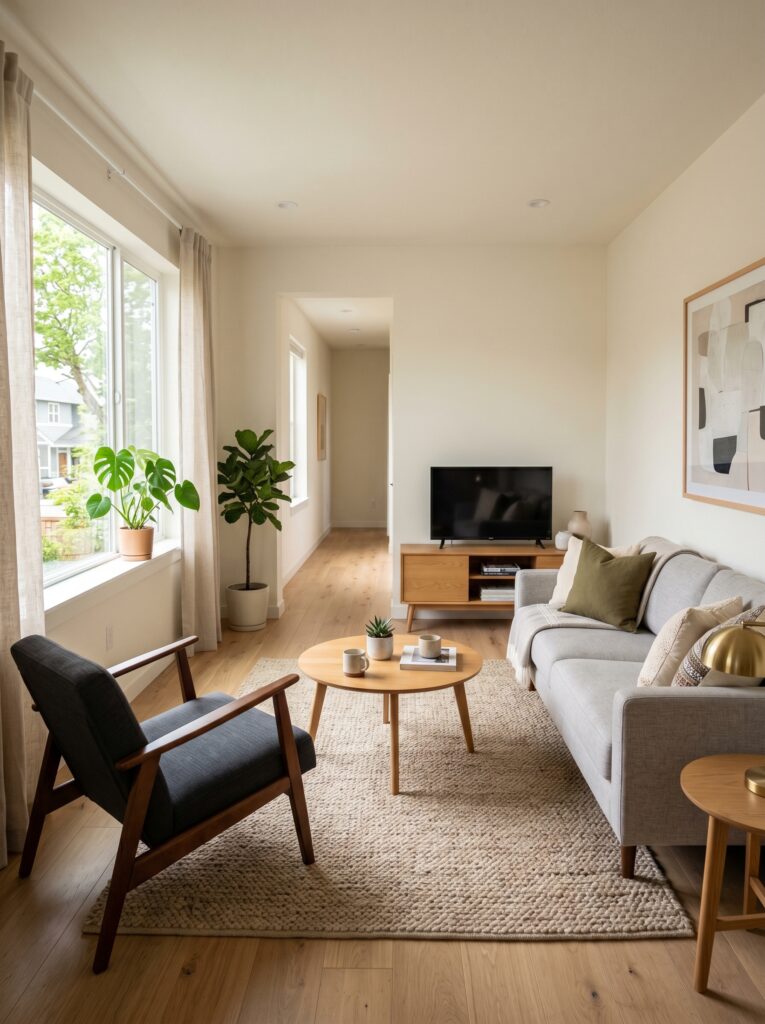
Good flow instantly makes the room feel larger.
5. Use Round Coffee Tables
Round tables improve traffic flow because they eliminate sharp corners and make movement easier in tight layouts.
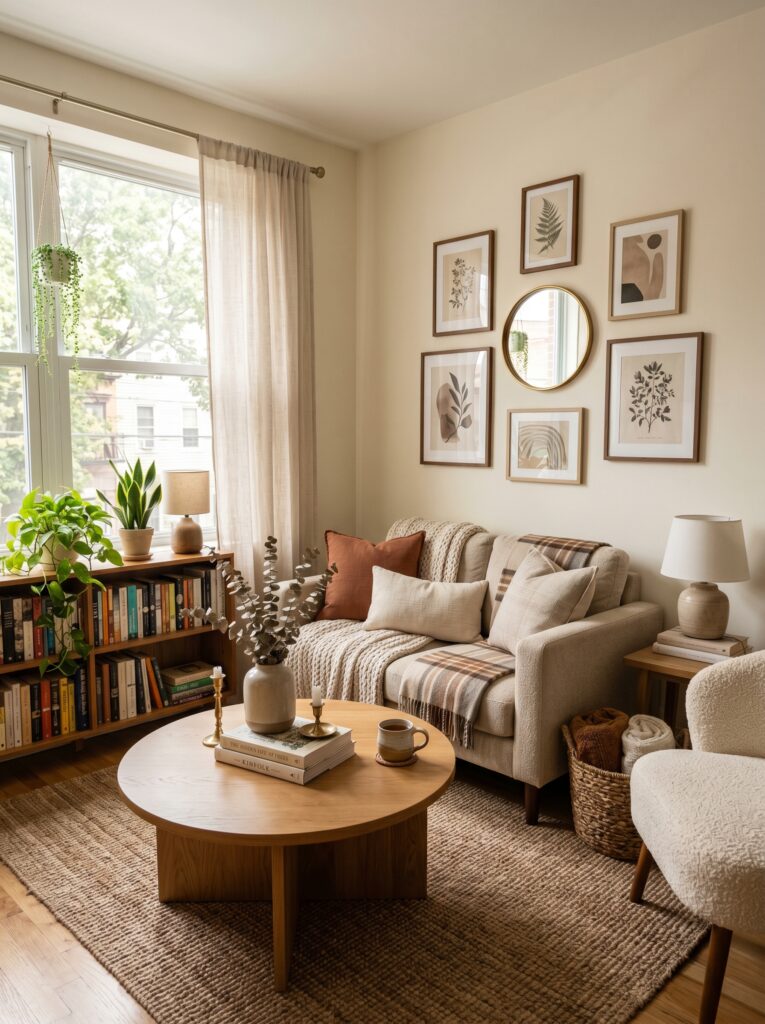
They also soften the room visually.
6. Create a Focal Point
Arrange furniture around one clear focal point such as:
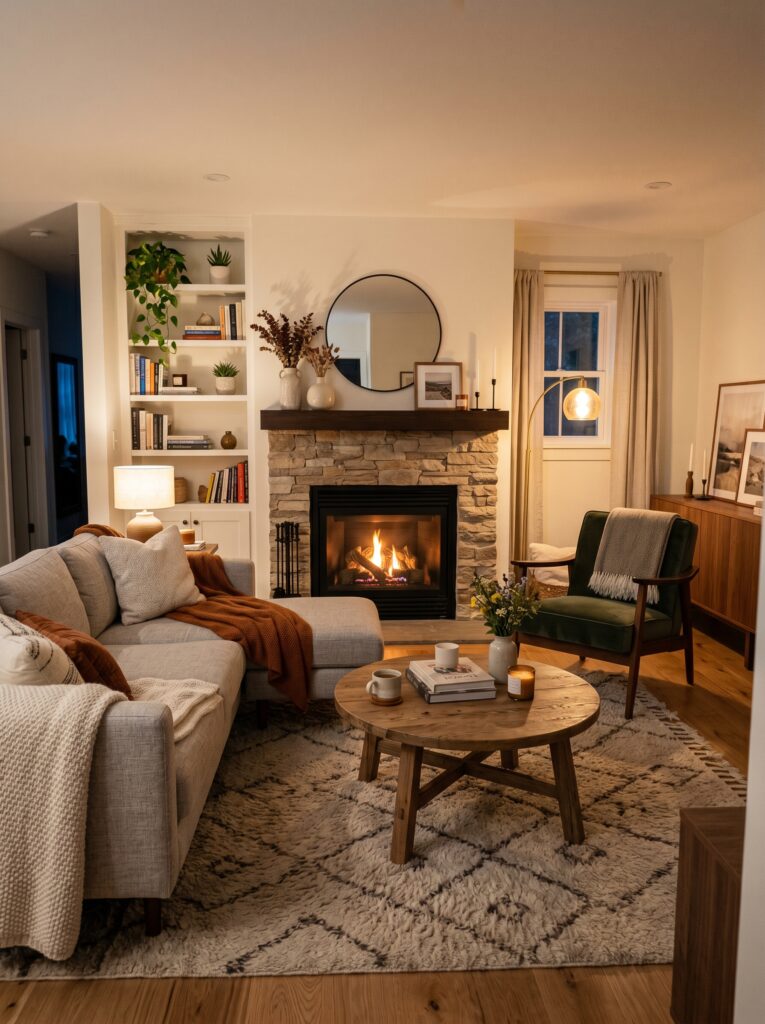
- a TV,
- fireplace,
- window,
- or statement artwork.
A defined focal point helps the room feel intentional rather than cluttered.
7. Use Vertical Space Wisely
Tall bookshelves, wall-mounted lighting, and vertical storage draw the eye upward and free up floor space.
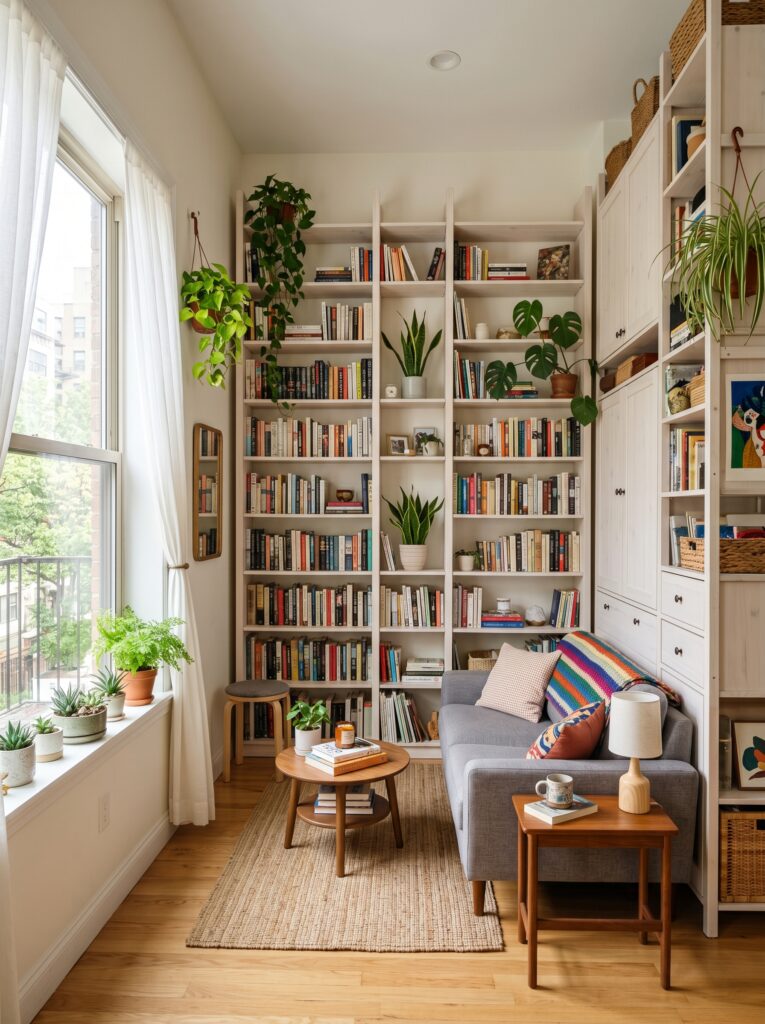
Vertical design helps compact rooms feel taller.
8. Add Mirrors to Reflect Light
Mirrors make small living rooms feel larger by reflecting light and visually expanding the space.
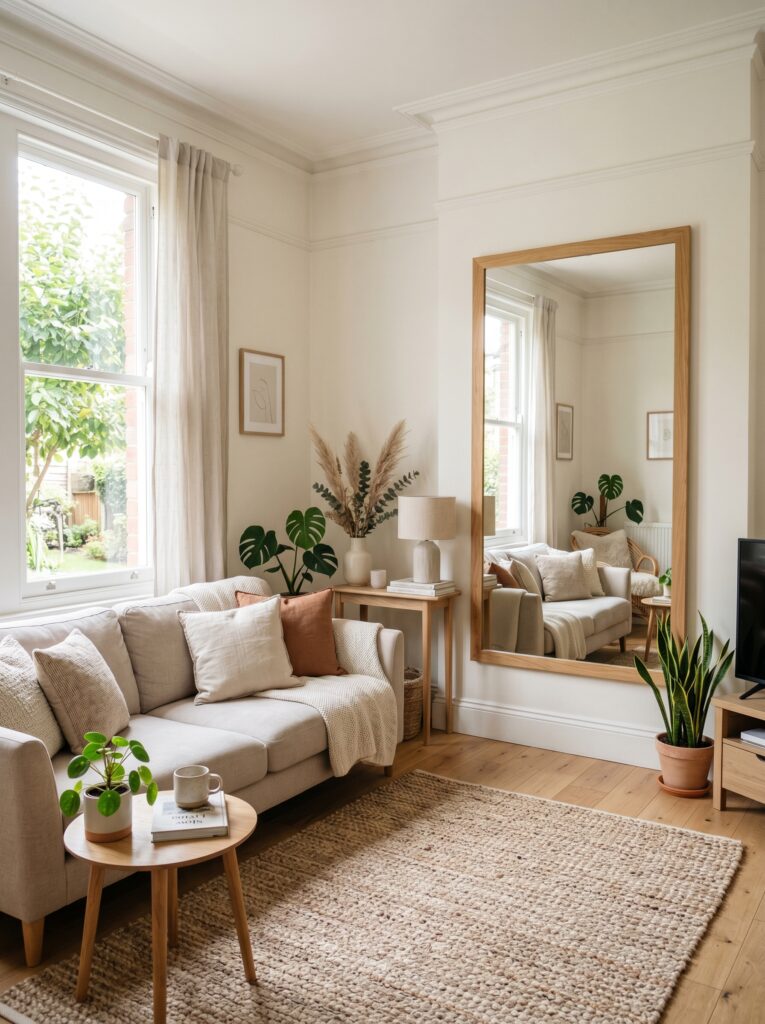
Large mirrors opposite windows work especially well. (housebeautiful.com)
9. Try an L-Shaped or Sectional Layout
Compact sectionals can actually maximize seating better than multiple separate chairs in small rooms.
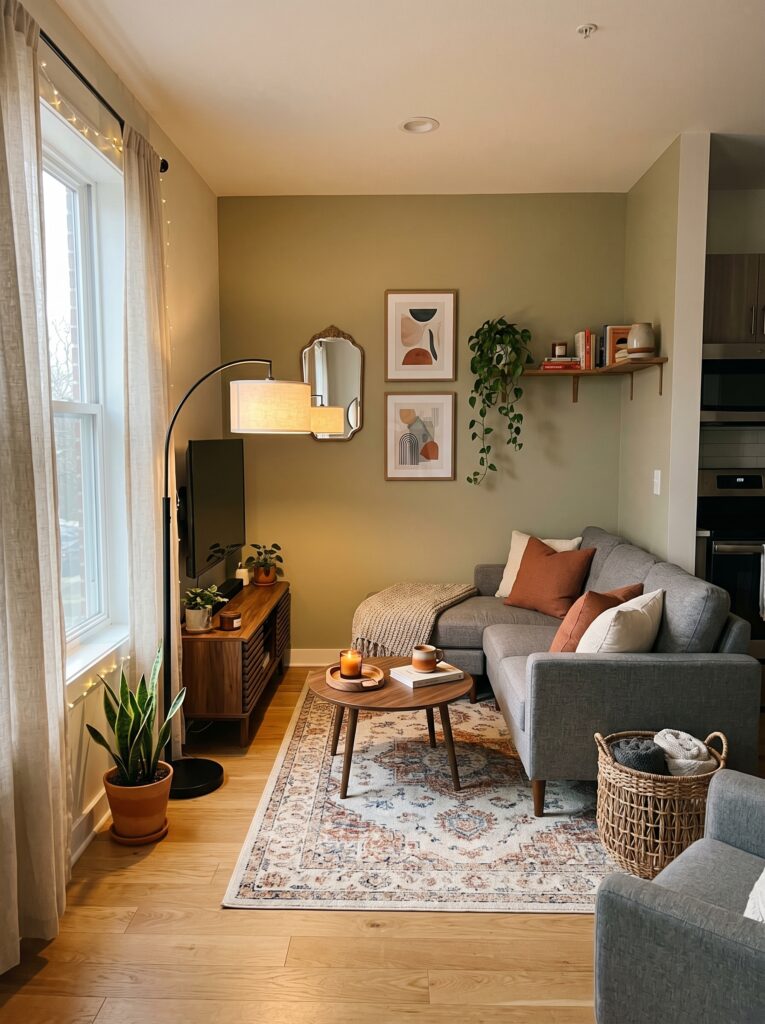
Choose slim-profile sectionals to avoid heaviness.
10. Keep Decor Minimal and Balanced
Too many accessories or bulky furniture pieces can overwhelm the room. Interior designers often suggest limiting decor and using lighter color palettes to maintain openness. (reddit.com)
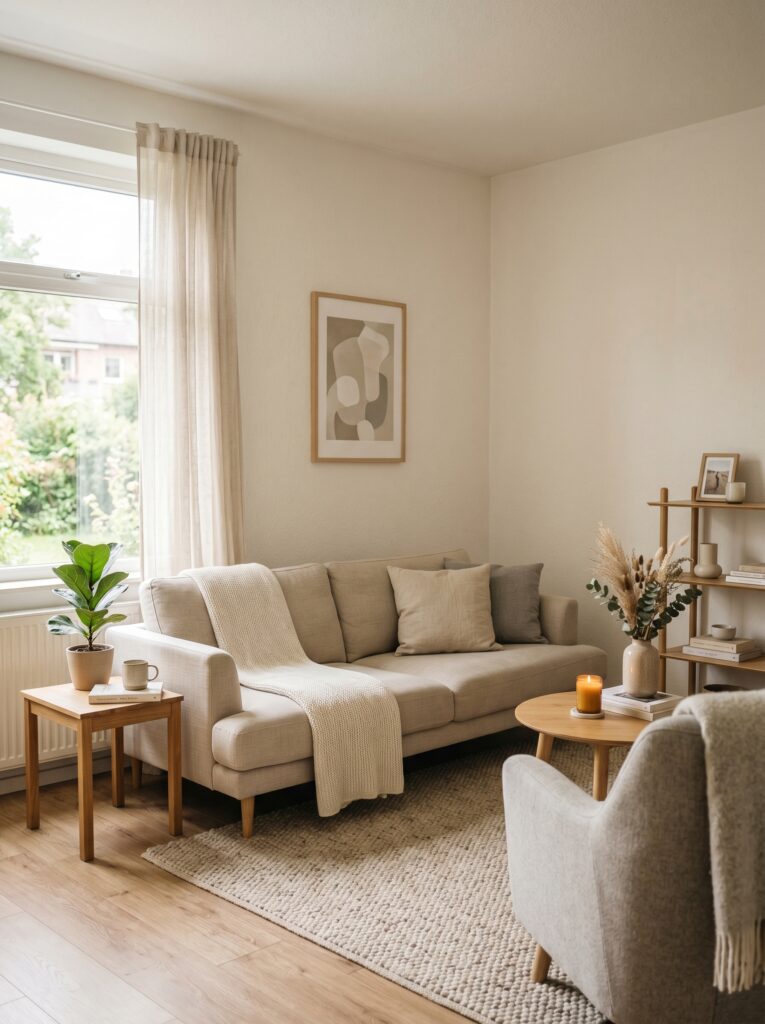
Simple styling makes the room feel calmer and more spacious.
Final Thoughts
The key to arranging furniture in a small living room is balancing comfort, function, and openness. Smart layouts, multi-functional furniture, and clear pathways can make even the smallest space feel stylish and comfortable.
Focus on scale, simplicity, and thoughtful placement to create a living room that feels bigger, brighter, and easier to live in every day.