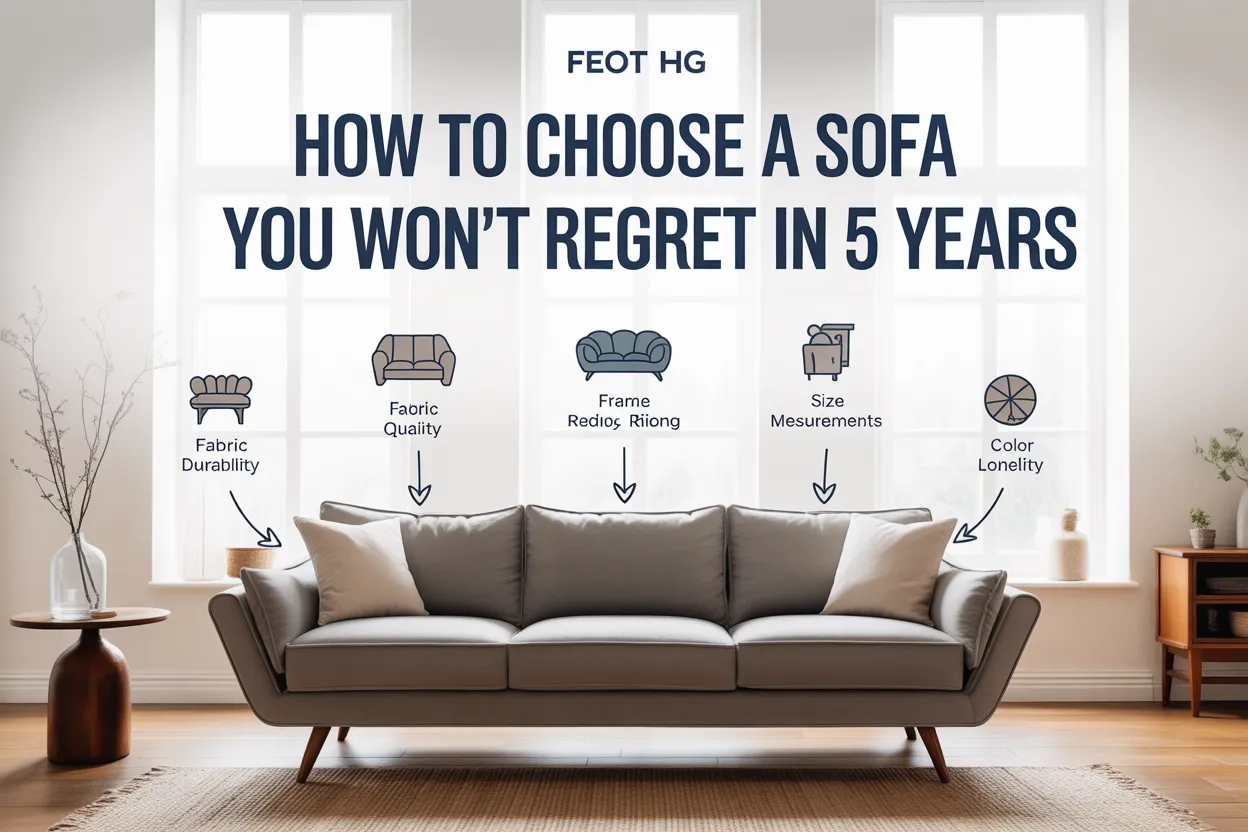
How to Choose a Sofa You Won’t Regret in 5 Years
Buying a sofa isn’t just another home decision—it’s a commitment you’ll live with every single day. The wrong choice can mean sagging cushions, outdated style, and constant regret, while the right one becomes the heart of your home for years to come. Before you fall for a trendy design or a too-good-to-be-true deal, there are a few smart, often-overlooked factors that make all the difference. Here’s how to choose a sofa that still feels like the best seat in the house—five years from now.
1. Choose a Timeless Neutral Color Palette
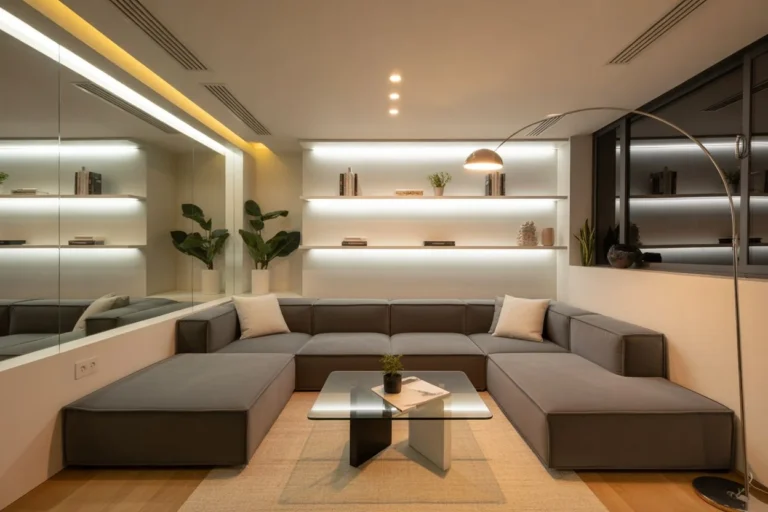
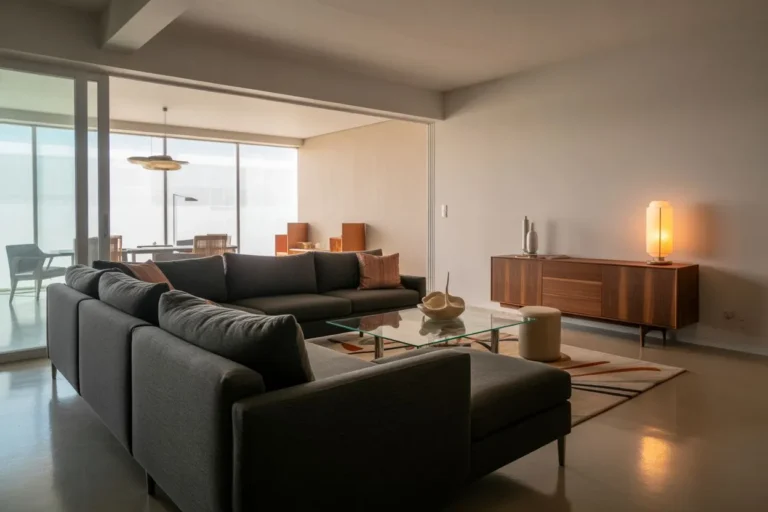
Neutral colors like beige, cream, taupe, and soft gray never go out of style. These tones easily blend with different decor trends, allowing you to refresh your living room without replacing the sofa.
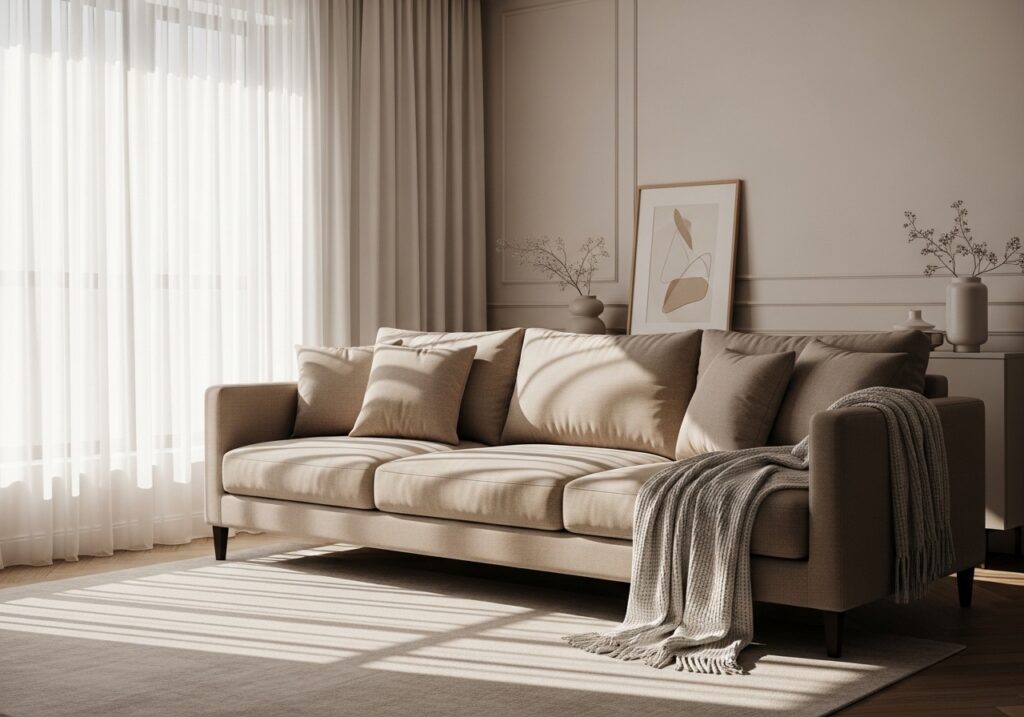
A neutral sofa acts as a versatile foundation that works with bold cushions, throws, or accent decor. It helps create a calm and elegant environment that remains visually appealing for years.
🛋️ Thinking about a sectional? It’s one of the best long-term sofa investments you can make — see 10 real living room layouts that show exactly how sectionals define space, create flow, and instantly upgrade any room:
➤ 10 Sectional Sofa Living Room Ideas That Instantly Upgrade Your Space2. Invest in High-Quality Upholstery Fabric
Durable fabrics such as performance linen, microfiber, and tightly woven cotton blends resist wear and stains. Choosing high-quality upholstery ensures your sofa maintains its shape and beauty even after years of daily use.
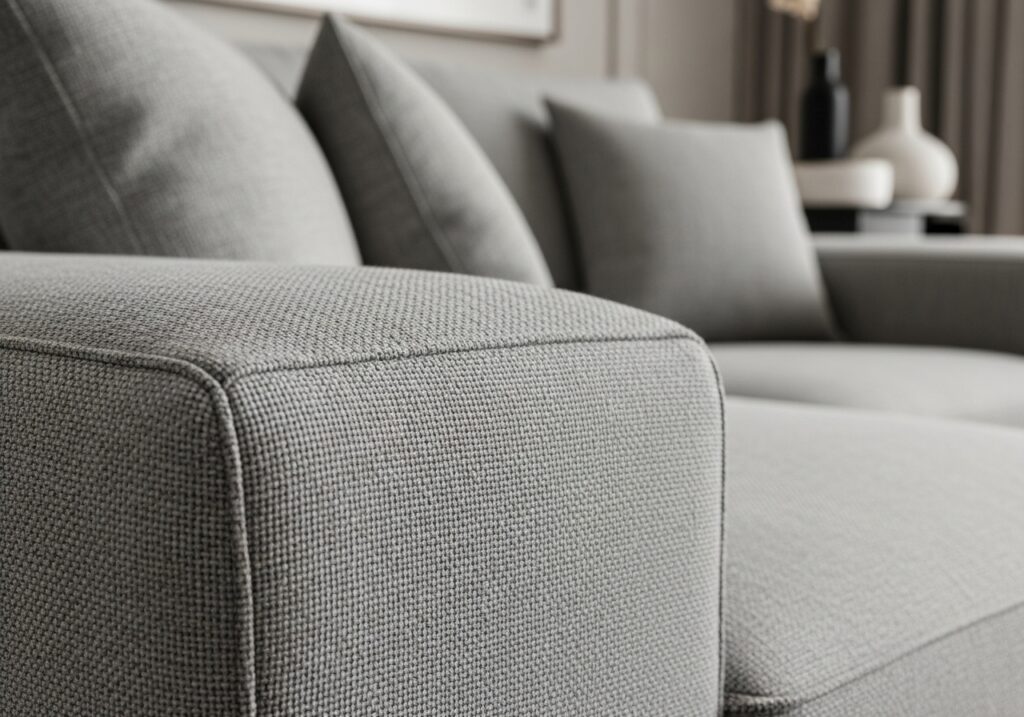
Look for fabrics designed for heavy traffic, especially if you have kids or pets. High-performance materials reduce maintenance stress and provide long-term value.
🕯️ Sofa chosen — now build the whole room around it. These 18 designer-recommended cozy living room ideas show how to layer throws, rugs, lighting, and accents to make any neutral sofa feel like the heart of the home:
➤ 18 Cozy Living Room Design Ideas – Designer Recommended3. Pick a Comfortable Seat Depth and Cushion Firmness
Comfort is essential because a stylish sofa means nothing if it feels uncomfortable. Medium-firm cushions with balanced support maintain shape and prevent sagging over time.
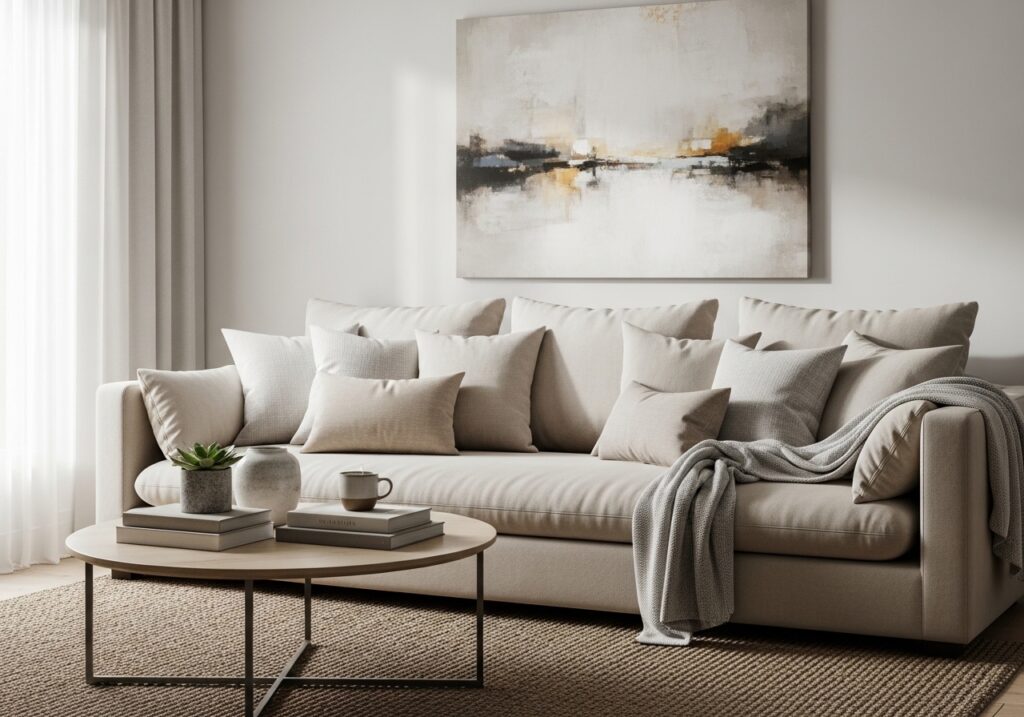
Seat depth should match your lifestyle, whether you enjoy lounging or prefer upright seating. Testing comfort ensures long-term satisfaction and daily relaxation.
4. Select a Classic Silhouette That Ages Well
Simple shapes like track-arm, rolled-arm, or mid-century styles remain fashionable across decades. Avoid overly trendy silhouettes that may look outdated quickly.
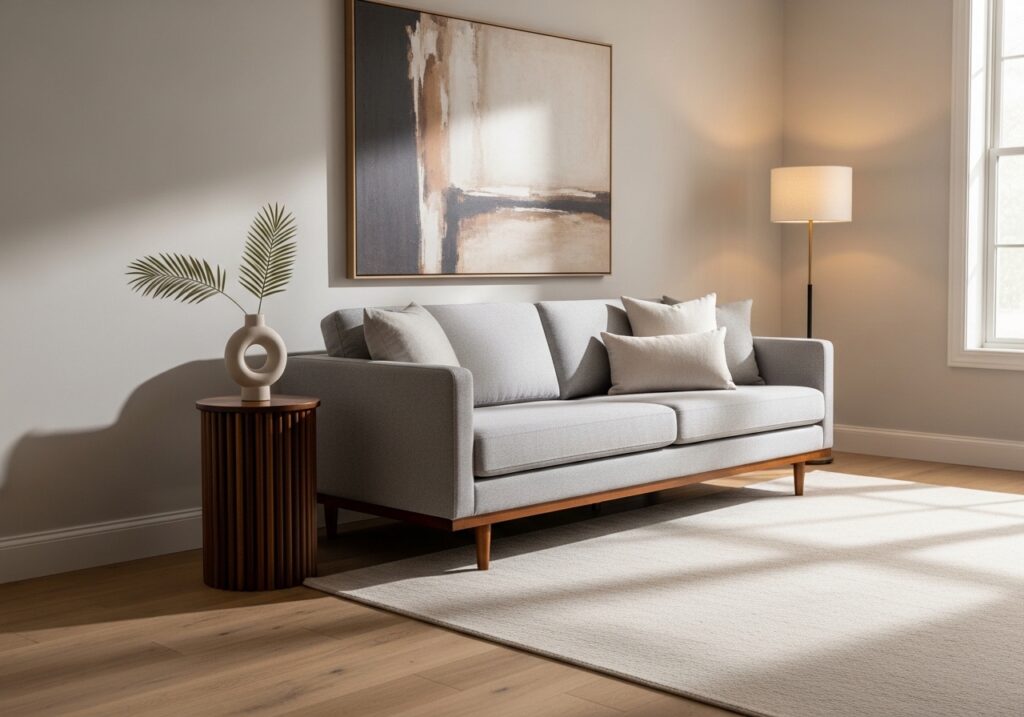
A classic sofa shape complements various decor updates such as new rugs, artwork, or lighting. This ensures your living room evolves without needing a major furniture replacement.
5. Consider Durable Frame Construction
Hardwood frames such as kiln-dried oak or engineered wood provide long-lasting structural integrity. A strong frame prevents wobbling and extends the lifespan of your sofa.
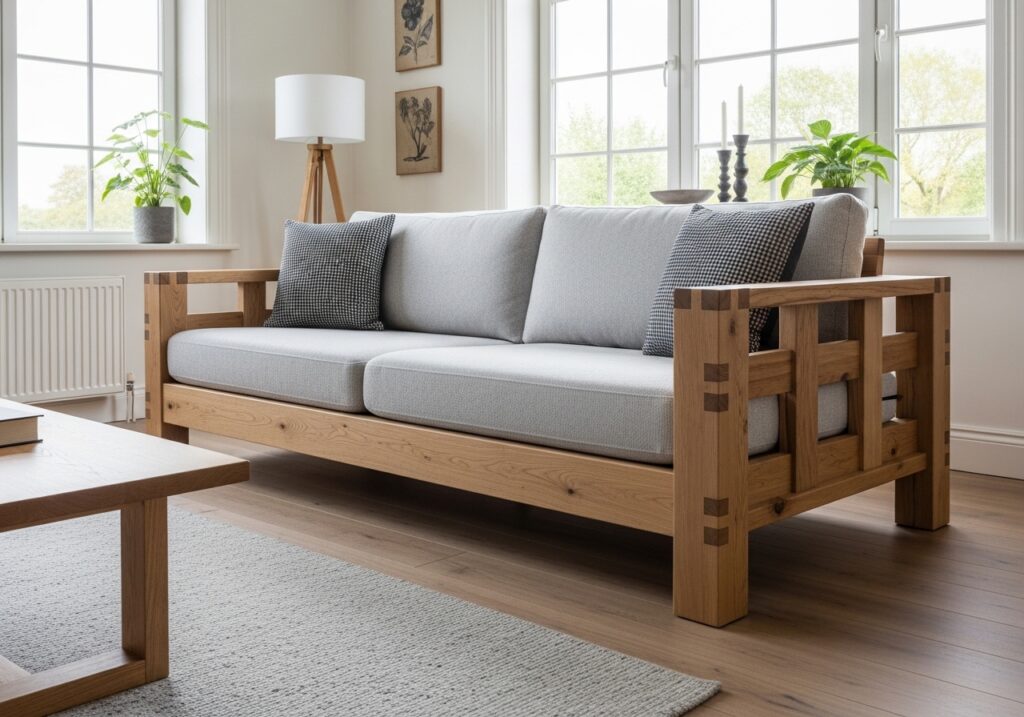
Quality construction may cost more initially but saves money long-term. A well-built frame ensures comfort consistency and maintains the sofa’s original shape.
6. Think About Practical Size for Your Space
A sofa should fit comfortably in your living room without overwhelming the layout. Measure your space carefully to ensure balanced proportions and smooth movement.
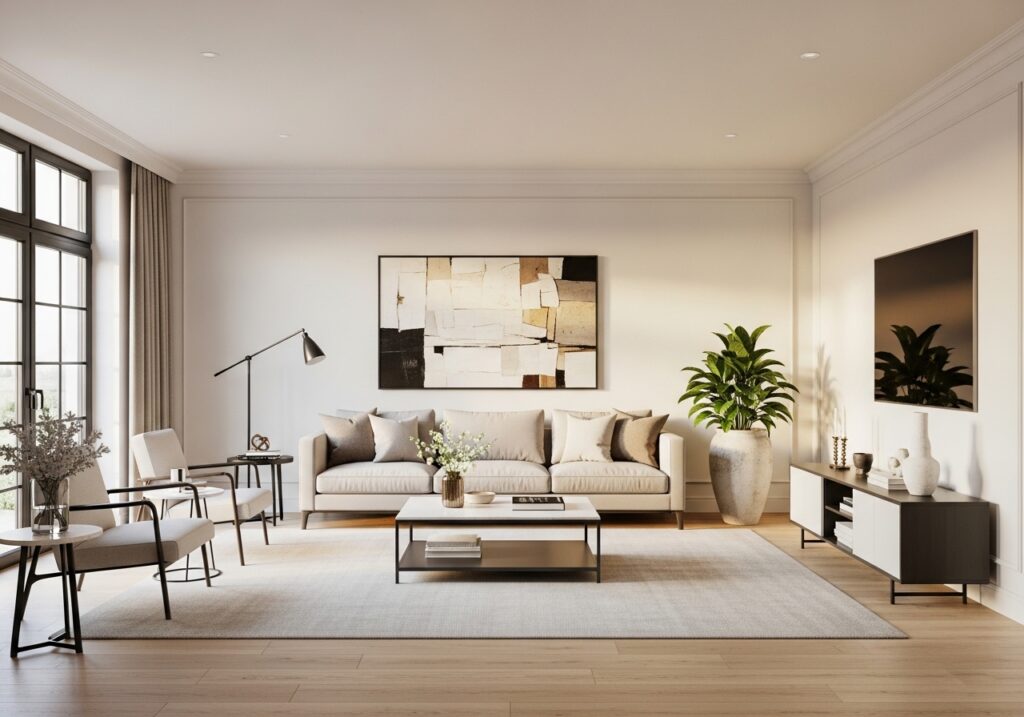
Choosing the correct size allows flexibility when rearranging decor in the future. Proper scale helps maintain a harmonious and uncluttered environment.
7. Choose Removable Cushion Covers for Easy Maintenance
Removable and washable covers simplify cleaning and extend the sofa’s life. This feature is especially valuable for families, pet owners, or frequent entertainers.
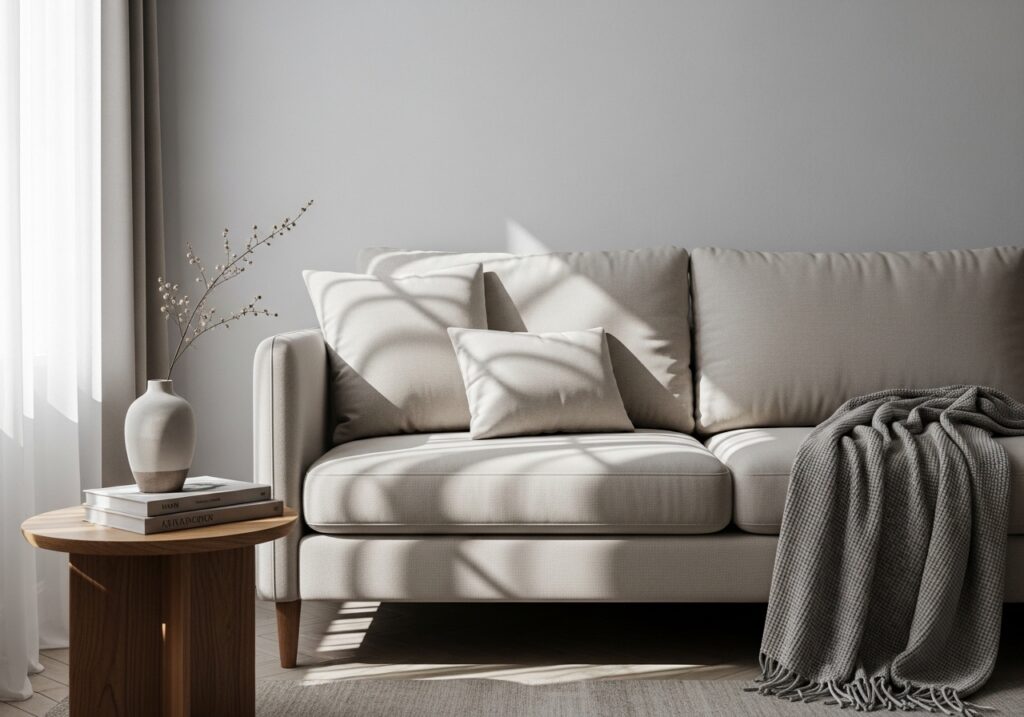
Easy maintenance ensures the sofa remains fresh and visually appealing over time. Practical features reduce stress and preserve long-term satisfaction.
8. Test Versatile Styling Options
A sofa that works with multiple decor styles gives you freedom to refresh your space affordably. Changing pillows, blankets, or artwork can completely transform the look.
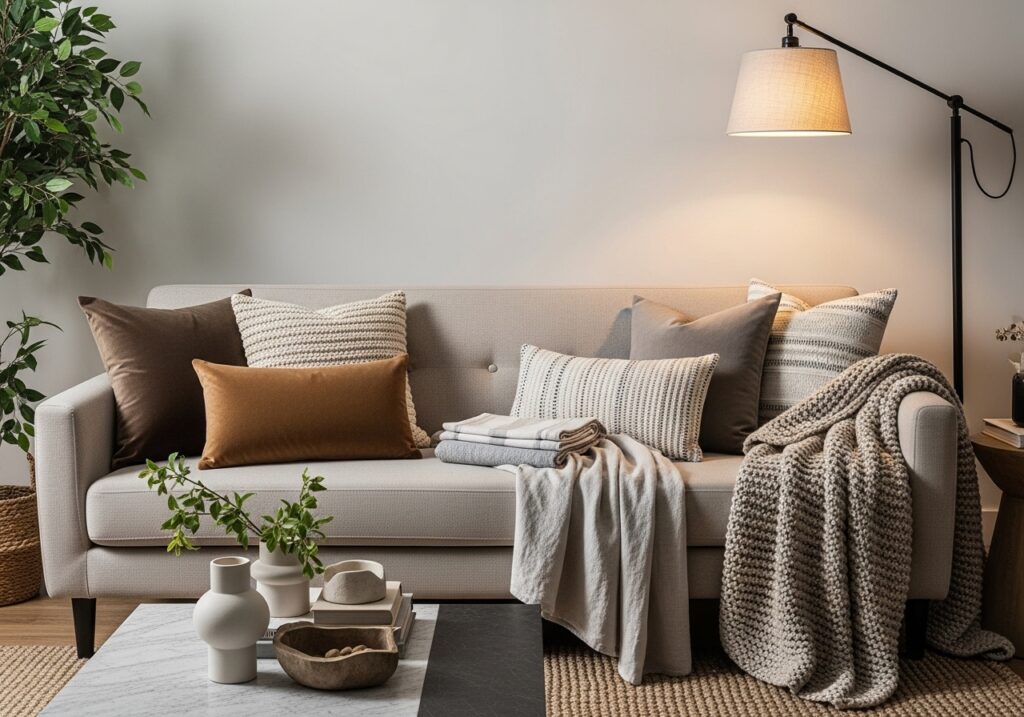
Versatile styling ensures the sofa adapts to seasonal trends or evolving personal taste. This flexibility helps prevent the need for frequent replacements.